Israel Faces Retaliatory Attacks from Iran: Conflict Escalates
The escalating Israel-Iran conflict took another dangerous turn late Friday and into Saturday, as Iran launched retaliatory missile strikes against Israel. This follows Israel’s intense airstrikes aimed at crippling Iran’s nuclear program and military infrastructure earlier that day. Explosions rocked both Jerusalem and Tel Aviv, and sirens could be heard throughout the region, prompting civilians to seek shelter.
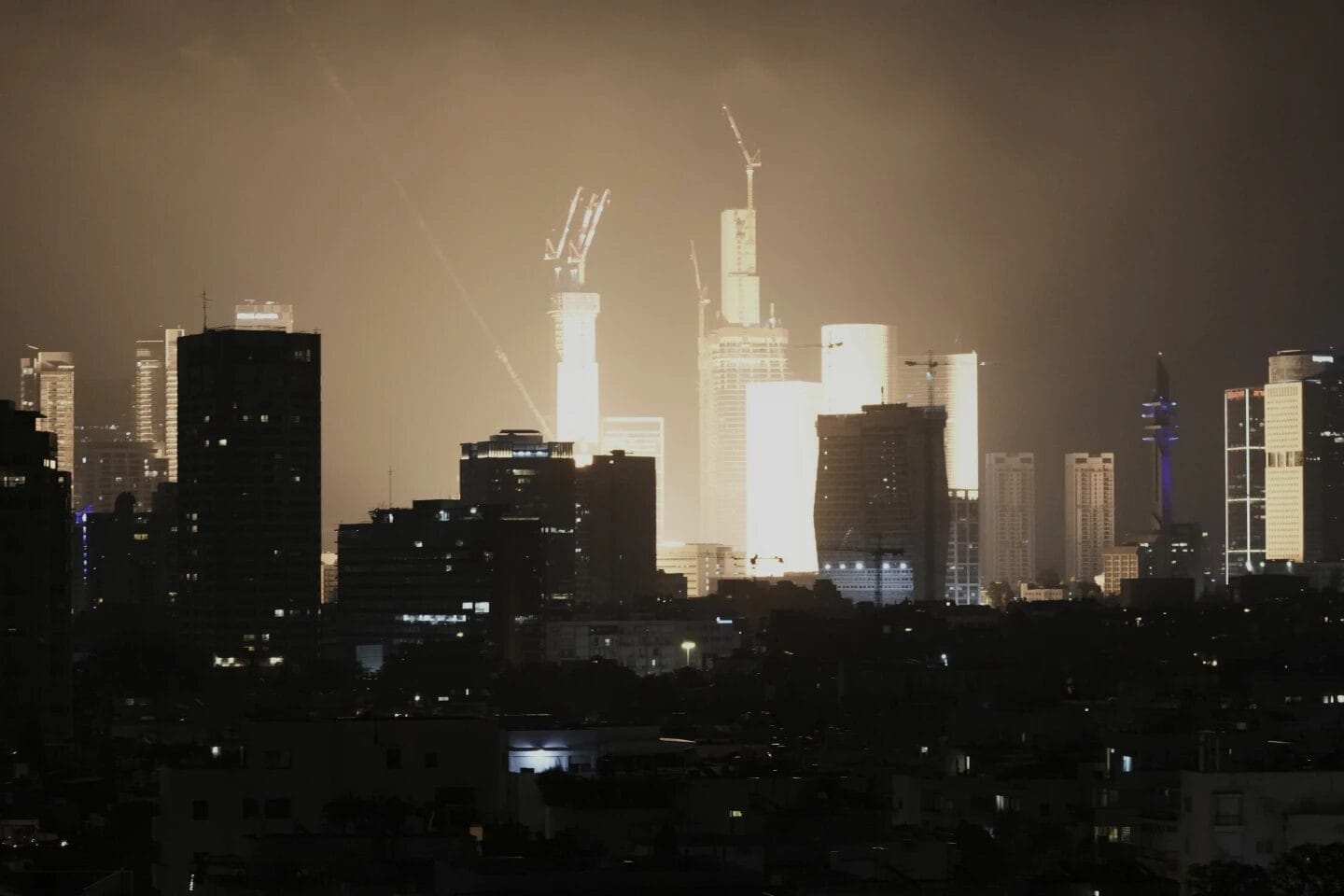
Israel’s Preemptive Strike on Iran’s Nuclear Infrastructure
Israel’s strategic offensive targeted key military and nuclear sites within Iran. The Israeli military deployed drones and warplanes to hit essential facilities, killing several Iranian scientists and top military officials. The main objective of the attack was to delay Iran’s nuclear weapon development, a goal Israel has consistently stated as critical to its security. Among the targets were the Natanz and Fordo nuclear enrichment sites, with both sustaining significant damage.
Israeli officials claimed that around 200 aircraft participated in the attack, which included strikes on missile launchers, air defense systems, and a research facility in Isfahan. The operation has already caused widespread damage to Iran’s nuclear capabilities, leaving substantial portions of its facilities destroyed.
Iranian Retaliation and Continued Strikes
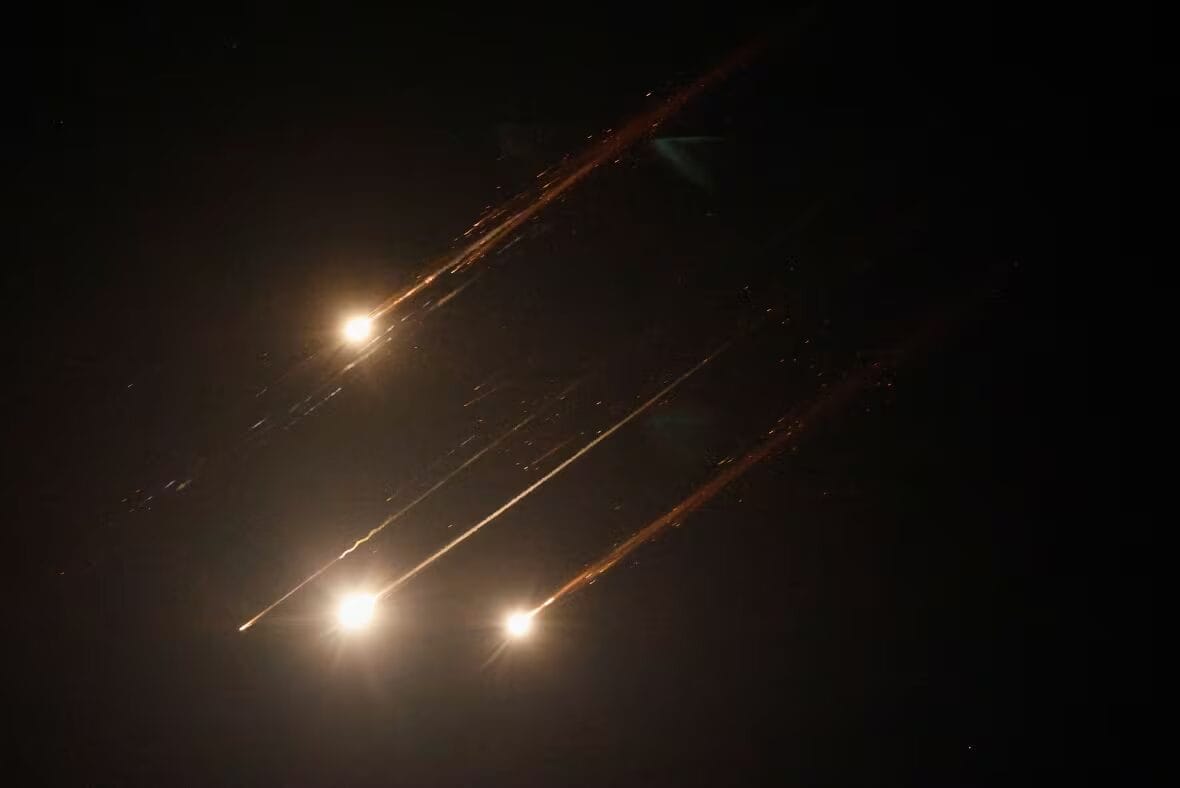
Iran wasted no time in retaliating. By late Friday, Iran launched a barrage of ballistic missiles targeting major Israeli cities, including Tel Aviv and Jerusalem. The missiles triggered explosions in the skies as Israeli air defenses intercepted many of them. However, some missiles did land, with at least seven people reported injured in Tel Aviv.
The violence escalated further with a second round of missile strikes on Saturday morning. Despite Israel’s defense measures, Iranian missiles continued to threaten the region, with significant explosions reported. In response, Israel urged its citizens to stay inside shelters as more air raid sirens echoed throughout the cities.
Escalating Tensions and Global Reactions
The situation remains tense, with the international community calling for restraint. The UN Security Council convened an emergency meeting to address the rapidly escalating conflict. While many countries have condemned Israel’s initial strikes, Iran’s missile attacks have intensified the pressure on both nations. World leaders, including those from the U.S., have urged both parties to seek de-escalation to avoid a larger regional conflict.
As the situation unfolds, Israel’s operation shows no signs of slowing. With key Iranian military leaders, including General Mohammad Bagheri, General Hossein Salami, and General Amir Ali Hajizadeh, confirmed dead, Iran’s military response will likely be unpredictable. Analysts predict that cyberattacks, disruptions to shipping, or terrorist activities could follow as Iran seeks to retaliate.
The Road Ahead: Uncertain and Volatile
The ongoing conflict raises significant concerns about the potential for an all-out war between the two countries. As Israel and Iran continue their aggressive strategies, the global community watches closely, fearful of further escalations that could impact not just the Middle East but the broader international order.
What do you think will be the next move for Israel and Iran in this conflict? Share your thoughts in the comments below.
More…