U.S. Lawmakers Blame Canadian Wildfire Smoke for Ruined Summers
Six Republican members of Congress from Minnesota and Wisconsin have formally complained about Canadian wildfire smoke drifting across the border and disrupting summer life in their states. In a sharply worded letter to Canada’s ambassador in Washington, the group described the smoke as “suffocating” and blamed Canada’s forest management practices.
The Letter and Its Claims
The letter, sent on July 8 and addressed to Ambassador Kirsten Hillman, was signed by Representatives Tom Tiffany, Glenn Grothman, Brad Finstad, Michelle Fischbach, Pete Stauber, and Tom Emmer. They argued that wildfire smoke from Canada has made it hard for Americans to enjoy summer traditions like family outings and outdoor recreation.
The lawmakers questioned Canada’s wildfire strategy and suggested that a lack of active forest management was to blame. They even hinted at possible arson, despite no widespread evidence supporting that theory.
“This wildfire smoke makes it difficult to do all those things,” the letter said, referring to typical summer activities.
Canada Responds
In response, the Canadian Embassy said it takes wildfire prevention and response “very seriously” and would respond through the proper channels. Natural Resources Canada echoed this, noting its ongoing collaboration with provinces, Indigenous communities, and international partners to tackle the crisis.
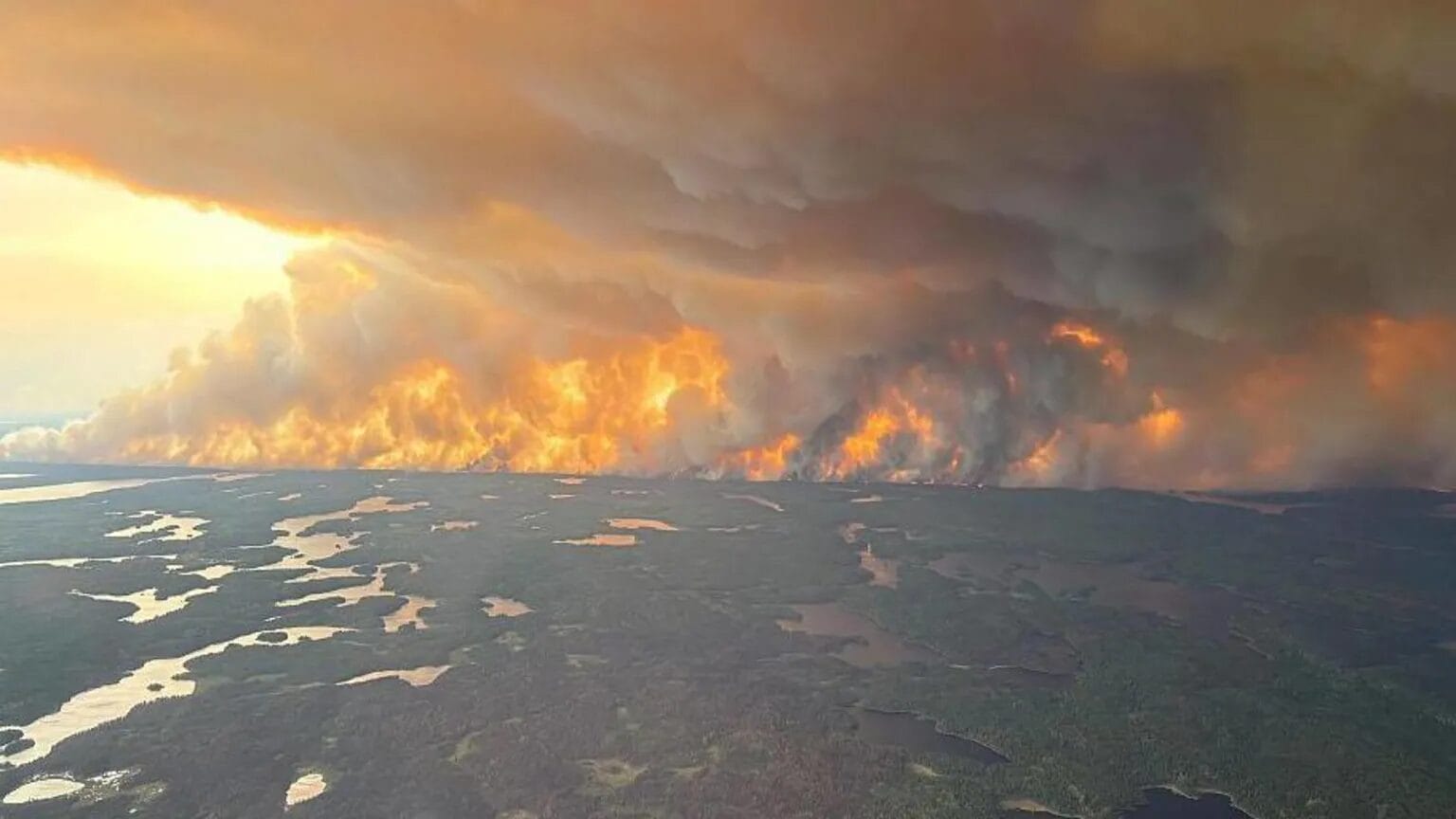
So far, 526 wildfires are active across the country, with many located in remote, hard-to-access regions. According to Canada’s national fire database, lightning causes about half of all wildfires and burns the most area. Many of this year’s wildfires began in 2023 and reignited in 2024 due to dry conditions.
Wildfire Experts Weigh In
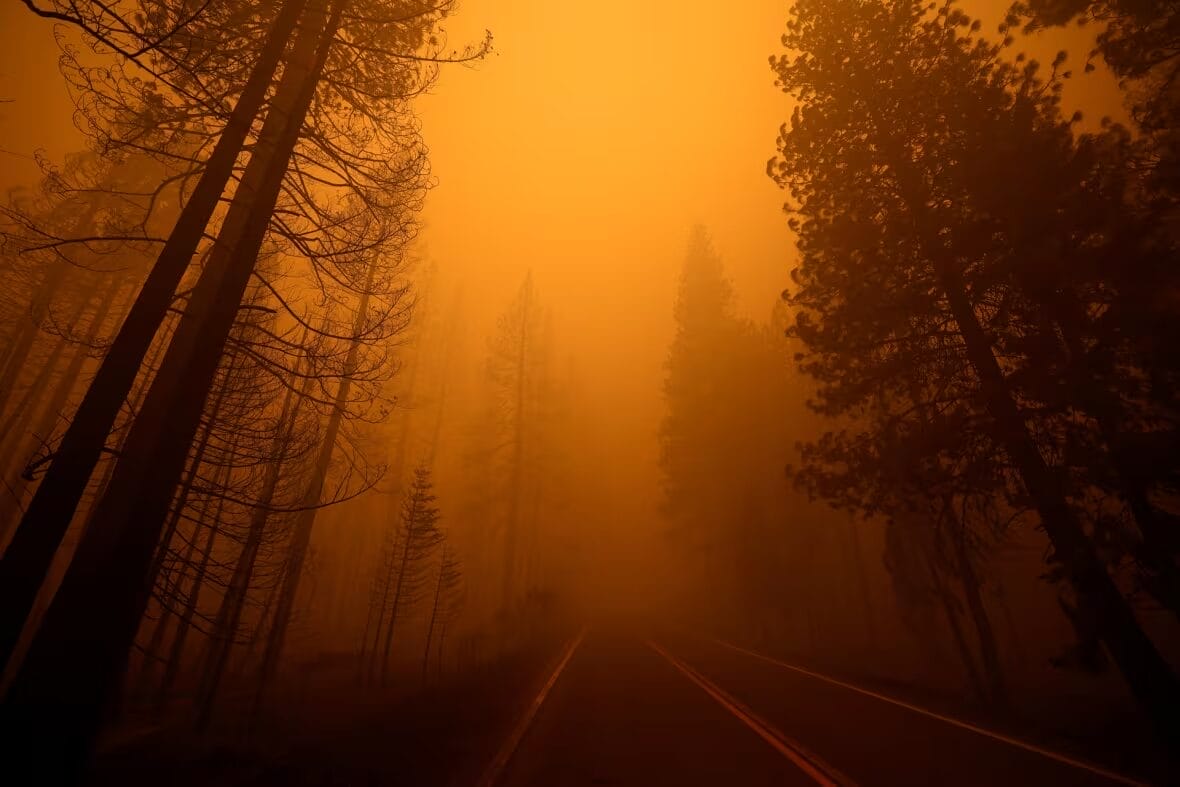
Lori Daniels, a wildfire scientist at the University of British Columbia, explained that climate change is worsening wildfire conditions, especially in northern regions. Fires often continue to smolder underground through the winter and resurface in summer.
“It’s not a lack of effort,” she said, “but we’re dealing with extreme conditions in areas that are very hard to reach.”
Meanwhile, Glenn McGillivray, director of the Institute for Catastrophic Loss Reduction, said that expecting to control all Canadian wildfires is “a pipe dream.” He pointed out that the country’s boreal forest covers 60% of its land, making widespread fire control unrealistic.
A Shared Problem
Experts also reminded the public that wildfire smoke travels both ways. Canada has also experienced poor air quality due to fires from California and Washington.
While the U.S. letter focused on the impact of smoke on American summers, it did not mention the thousands of Canadians displaced by wildfires or the two lives lost in Manitoba in May.
McGillivray added that prescribed burns, a method rooted in Indigenous practices, offer one path forward. These controlled fires reduce dangerous fuel buildup and help prevent more destructive blazes. But widespread use remains limited.
Health and Safety Concerns
Health agencies continue to warn about the impact of wildfire smoke. The B.C. Centre for Disease Control advises people to use HEPA filters, stay indoors when possible, and wear N-95 masks during heavy smoke exposure. Poor air quality can cause respiratory issues, especially for vulnerable populations.
Final Thoughts
As wildfire seasons grow longer and more intense, experts on both sides of the border agree on one thing: the crisis requires international cooperation, scientific solutions, and long-term planning—not finger-pointing.
What do you think? Should Canada and the U.S. work together more closely on wildfire management?
More…