A 330-Foot Wave: What the North Sea Asteroid Discovery Teaches Us About Mega-Tsunamis
Imagine a towering wall of water—more than twice the height of Niagara Falls—rushing violently across the ocean. This isn’t the plot of a Hollywood disaster movie; it’s a terrifying reality from our planet’s ancient past.
After two decades of intense scientific debate, researchers have finally confirmed that a massive North Sea asteroid slammed into the Earth roughly 43 to 46 million years ago. The catastrophic event forged a hidden 3-kilometer-wide scar beneath the ocean floor and unleashed a mega-tsunami asteroid wave that reshaped the ancient coastlines.
But what does a prehistoric impact in the UK have to do with us today, and what can it teach us about planetary defense? The answers lie buried deep beneath the seabed.
The 20-Year Mystery Solved: The Silverpit Crater Discovery
Since geologists first noticed the bullseye-shaped Silverpit structure 80 miles off the coast of Yorkshire in 2002, the scientific community has been divided. Was it an impact crater, a collapsed underground salt deposit, or a volcanic anomaly?
A newly published study in Nature Communications has finally settled the score. Led by Dr. Uisdean Nicholson from Heriot-Watt University, researchers utilized state-of-the-art seismic imaging and deep-sea drilling to find the “silver bullet” they needed.
Buried 700 meters beneath the seafloor, the team discovered rare, deformed minerals. This shocked quartz is the smoking gun of a cosmic collision. These microscopic crystals only form under extreme, violent pressure. They require a hypervelocity space rock slamming into the Earth. This definitive evidence confirmed Silverpit’s origins. It belongs in the same terrifying category as the Chicxulub crater. That is the impact that wiped out the dinosaurs.
How Big Was the Silverpit Asteroid? A Canadian Perspective
To truly grasp the scale of this disaster, human brains need local context. How big was the Silverpit asteroid? Scientists estimate the rock was about 160 meters wide. If you were standing in downtown Toronto, that is roughly the height of a 40-story skyscraper in the financial district.
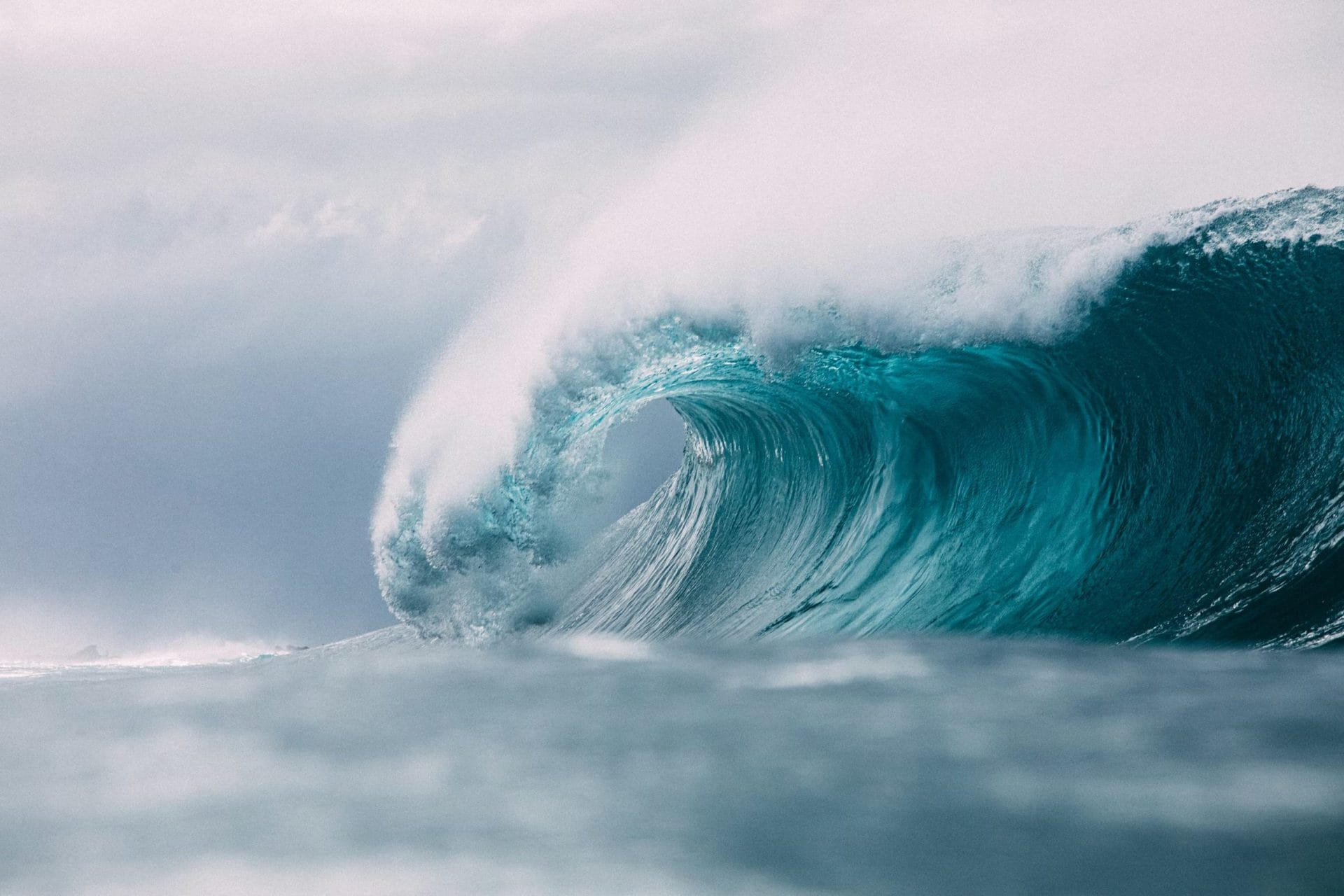
When a rock that massive hits the water at a low angle, the displacement is catastrophic. The impact threw up a 1.5-kilometer-high curtain of water and rock into the atmosphere. Within minutes, that curtain collapsed, sending a 100-meter (330-foot) wave rushing outward.
To picture that in Ontario:
- The Wave: A 100-meter tsunami is exactly double the height of the iconic Horseshoe Falls at Niagara. If it rolled through Toronto, it would reach roughly a fifth of the way up the CN Tower.
- The Local Connection: While a North Sea impact feels far away, looking at asteroid impacts Earth history shows Canada is no stranger to cosmic visitors. Ontario is home to the Sudbury Basin, one of the oldest and biggest asteroid craters in Canada (and the world). Formed 1.8 billion years ago, the Sudbury impact was so massive it shaped the region’s vast nickel and copper mining industry that still drives the local economy today.
What Happens When an Asteroid Hits the Ocean?
We often picture asteroids hitting dry land, but since oceans cover 71% of the Earth’s surface, a water impact is statistically far more likely. So, what happens when an asteroid hits the ocean? Unlike land impacts that throw up world-cooling dust, deep-ocean impacts vaporize billions of gallons of water, potentially injecting climate-altering greenhouse gases into the atmosphere while generating localized, devastating tsunamis.
The Silverpit Crater discovery is incredibly rare. Because the Earth is highly dynamic, plate tectonics and erosion usually erase underwater craters. Out of roughly 200 confirmed impact sites globally, only about 33 are located beneath the ocean. Studying exceptionally preserved sites like Silverpit is crucial for space agencies like NASA’s Planetary Defense Coordination Office. It helps modern scientists build highly accurate computer models to predict wave propagation, coastal devastation, and atmospheric changes should humanity ever face a similar threat in the future.
We may not have to worry about a skyscraper-sized rock hitting the ocean tomorrow, but thanks to the rocks buried beneath the North Sea, we are more prepared than ever to understand the incredible forces that shaped our world.
Editor’s Note & Disclaimer: The scientific data and findings discussed in this article are based on peer-reviewed research and press releases circulating in the March 2026 news cycle. Please note that while this discovery is currently trending globally, the foundational study by Heriot-Watt University researchers was originally published in Nature Communications. Comparisons to Canadian landmarks (such as the CN Tower and Niagara Falls) are approximate and used solely for illustrative scale. This content is for informational purposes only.
You Might Also Like: