Crete Earthquake Triggers Tsunami Warning Across Aegean Region
A 6.1-magnitude Crete earthquake struck off the northern coast of the island early Thursday morning, shaking much of the Aegean region and prompting a tsunami warning. While the tremor was widely felt in Greece and neighboring countries, no injuries or major structural damage have been reported as of Thursday afternoon, according to local officials.
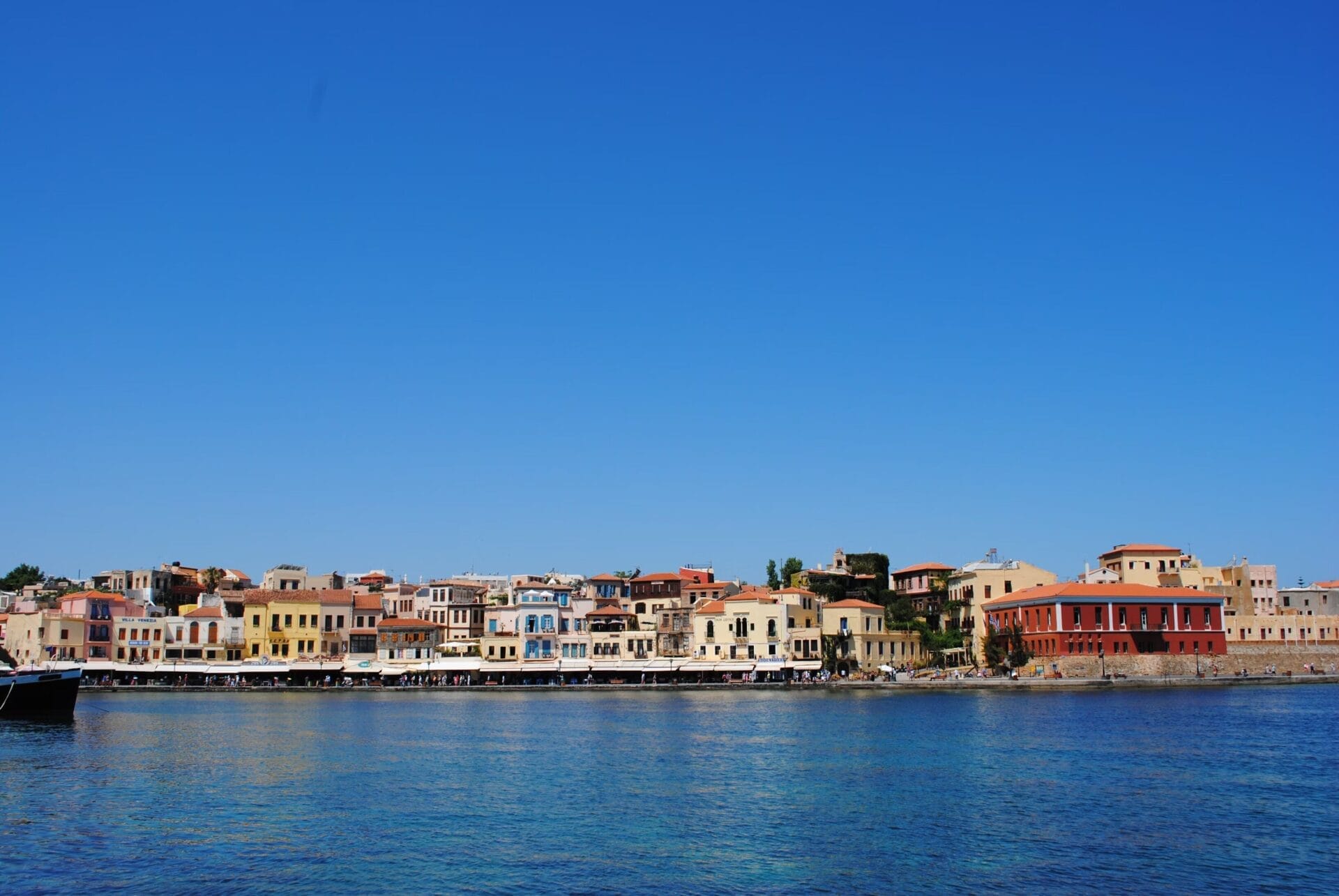
The quake occurred around 6:19 a.m. local time on May 22, with its epicenter located 58 kilometers north-northeast of Elounda at a depth of 69 kilometers, according to the European-Mediterranean Seismological Centre (EMSC). The Geodynamics Institute of Athens also reported a depth of 37 kilometers in an earlier statement.
Tsunami Warning Issued for Coastal Areas
Following the quake, the EMSC issued a tsunami warning, urging residents in Greece, Turkey, Italy, France, and Portugal to follow local safety advisories and stay away from the coast as a precaution.
Though no tsunami was immediately observed, officials stressed the importance of caution, especially in low-lying coastal zones.
Minor Damage in Iraklio
In Iraklio, a major Cretan city, authorities cordoned off a central road after chunks of plaster fell from an abandoned building. No injuries were reported.
“Fortunately, initial reports indicate the earthquake’s depth likely prevented major damage,” said Civil Protection Minister Ioannis Kefalogiannis, who later traveled to Crete to assess the situation.
Felt Across the Aegean Sea
Witnesses across the Aegean Sea and in parts of Turkey reported feeling the tremor strongly. Residents said it shook them awake, rattling beds and buildings for several seconds.
“Deeper earthquakes like this one tend to cause less surface-level destruction,” said Efthymios Lekkas, head of Greece’s Earthquake and Planning Protection Organization.
A Seismically Active Region
Greece lies on multiple fault lines and is one of the most seismically active countries in Europe. While mainland Europe is generally less prone to strong quakes, Mediterranean nations like Greece, Turkey, and Italy frequently experience seismic events due to their proximity to major tectonic boundaries, including the Eurasian and African plates.
The region had already experienced a 5.9-magnitude quake just last week, prompting temporary warnings at the time.
Have you ever experienced an earthquake in Greece or while traveling abroad? Let us know how you prepared or reacted in the comments.
More…
- https://www.dailyrecord.co.uk/lifestyle/travel/brits-greece-urged-activate-phone-35270052
- https://www.joe.co.uk/news/tsunami-warning-issued-in-greece-after-another-earthquake-hits-crete-488550
- https://halifax.citynews.ca/2025/05/22/6-1-magnitude-quake-shakes-southern-greek-islands
- https://www.ctvnews.ca/climate-and-environment/article/61-magnitude-earthquake-jolts-greek-islands-with-no-reported-injuries