
Strange ‘Horn-Like’ Growths Found on Wild Rabbits in Fort Collins
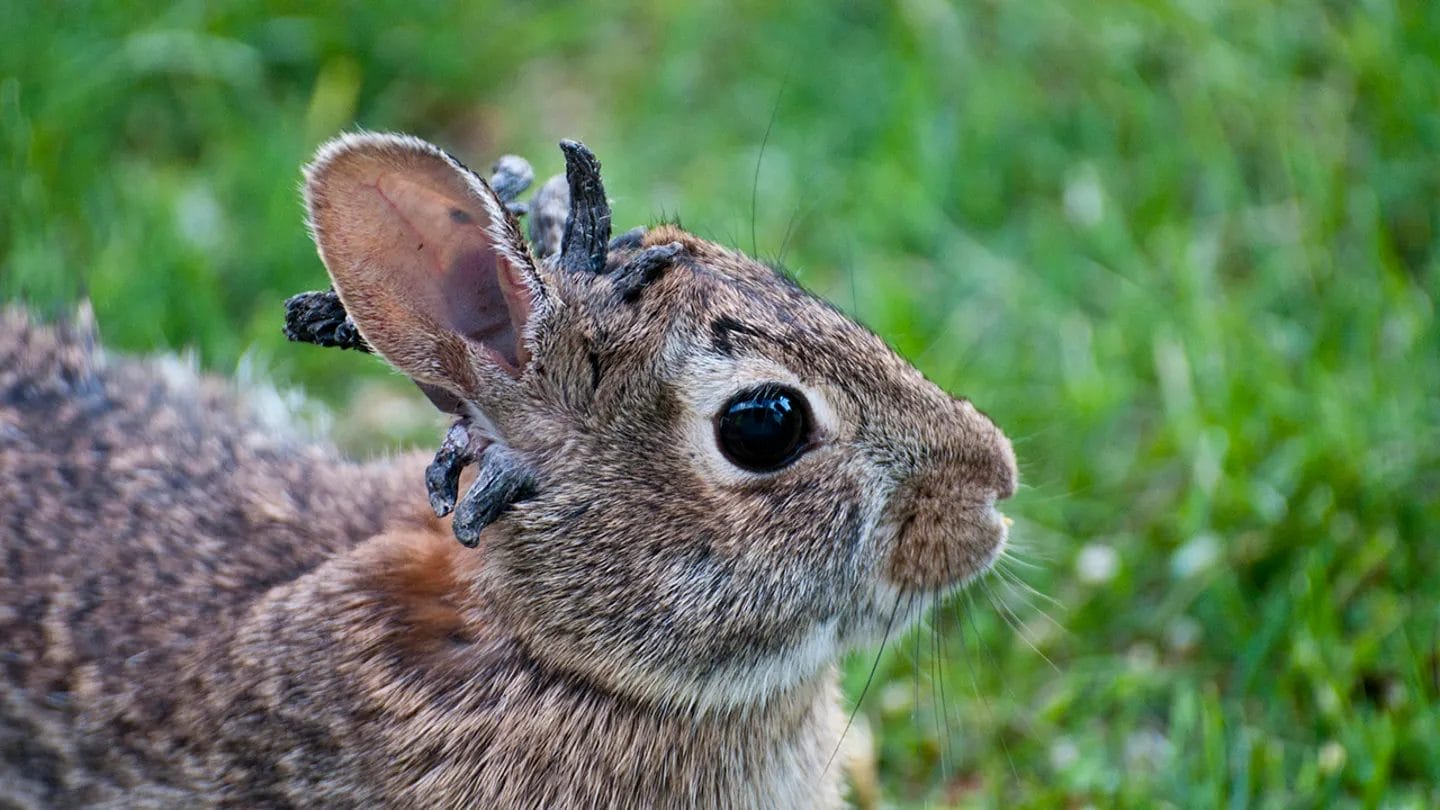
Wild rabbits in Fort Collins, Colorado, have been spotted with strange, “horn-like” growths sprouting from their heads, leaving many residents concerned. But what’s behind these unusual developments, and should we be worried?
What Are These Growths?
The growths on these rabbits are caused by a viral infection called cottontail rabbit papillomavirus. According to Colorado Parks and Wildlife (CPW), these growths often appear as black nodules on the skin, mainly around the rabbit’s head. As the infection progresses, the nodules can become elongated, giving them a “horn-like” appearance.
Resident Susan Mansfield shared her experience of spotting one of these infected rabbits, saying, “I thought he would die off during the winter, but he didn’t. He came back a second year, and it grew.”
Are These Growths Harmful to the Rabbits?
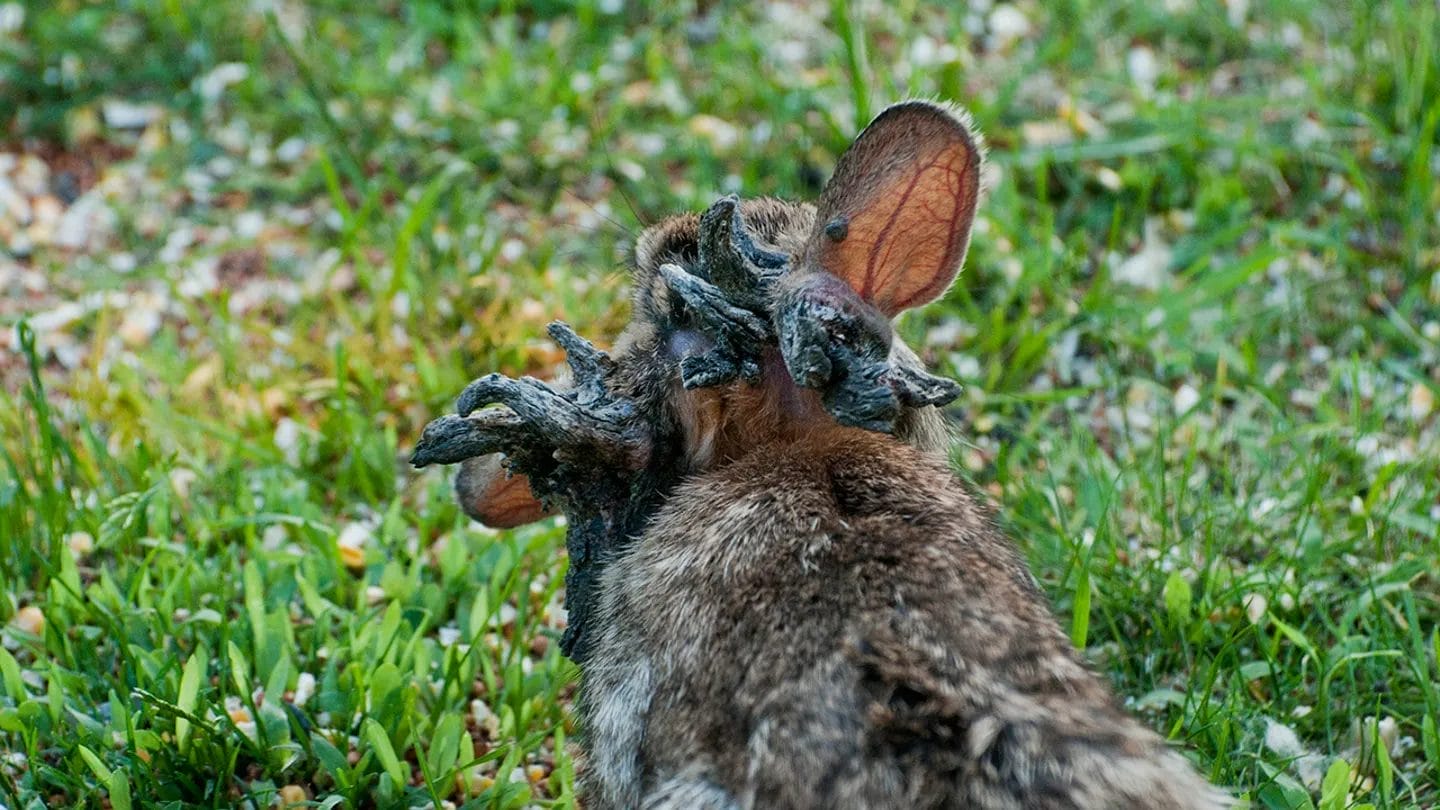
For most wild rabbits, these growths are not harmful unless they interfere with the animal’s ability to eat or drink. CPW emphasizes that the rabbits typically survive the infection, and the growths disappear once the virus clears from their system, usually as the weather cools down.
However, for domestic rabbits, the situation can be more serious. The disease can hit pet rabbits harder, especially when owners house them outdoors, where they might encounter infected wild rabbits or biting insects. If you own domestic rabbits, it’s best to have them treated by a veterinarian if they show any signs of this virus.
Can the Virus Spread to Other Animals or Humans?
Thankfully, there’s no need to worry about humans or other animals catching this virus. The cottontail rabbit papillomavirus affects only rabbits and cannot spread to other species, including humans, cats, or dogs. However, if you have domestic rabbits, it’s still important to keep them indoors or take precautions to prevent contact with wild rabbits and insects that may spread the virus.
How Does the Virus Spread?
This virus spreads mainly through insect bites, like fleas or ticks, and sometimes through direct contact between infected rabbits. It’s typically more common during warmer months when insects are active, and it generally clears up as the weather cools.
What Should You Do if You Spot an Infected Rabbit?
CPW advises people to avoid touching, approaching, or feeding infected wild rabbits. As with any wildlife, it’s best to give them space and allow them to recover naturally.
If you have concerns about your domestic rabbits, especially if they are showing symptoms of the virus, it’s recommended to contact a vet for advice and possible treatment.
More…
- https://www.coloradoan.com/story/news/2025/08/12/frankenstein-rabbits-with-papillomas-sprout-tentacle-like-growths/85628242007
- https://www.hindustantimes.com/trending/us/colorado-rabbits-spotted-with-scary-horns-and-tentacles-on-their-head-experts-warn-locals-of-growth-papilloma-virus-101755038786947.html
- https://www.foxnews.com/us/wild-rabbits-spotted-strange-horn-like-growths-sprouting-heads
- https://www.overheretoronto.com/wildfires-rage-across-newfoundland-and-labrador


