Canada to Remove Tariffs on Most U.S. Goods: What It Means for Shoppers and Small Businesses
Canadian shoppers and business owners can expect relief starting September 1, 2025, as Prime Minister Mark Carney announced that Canada will lift retaliatory tariffs on a wide range of U.S. goods. This applies to products covered under CUSMA (Canada-U.S.-Mexico Agreement), marking a major shift in a trade standoff that’s been brewing for over a year.
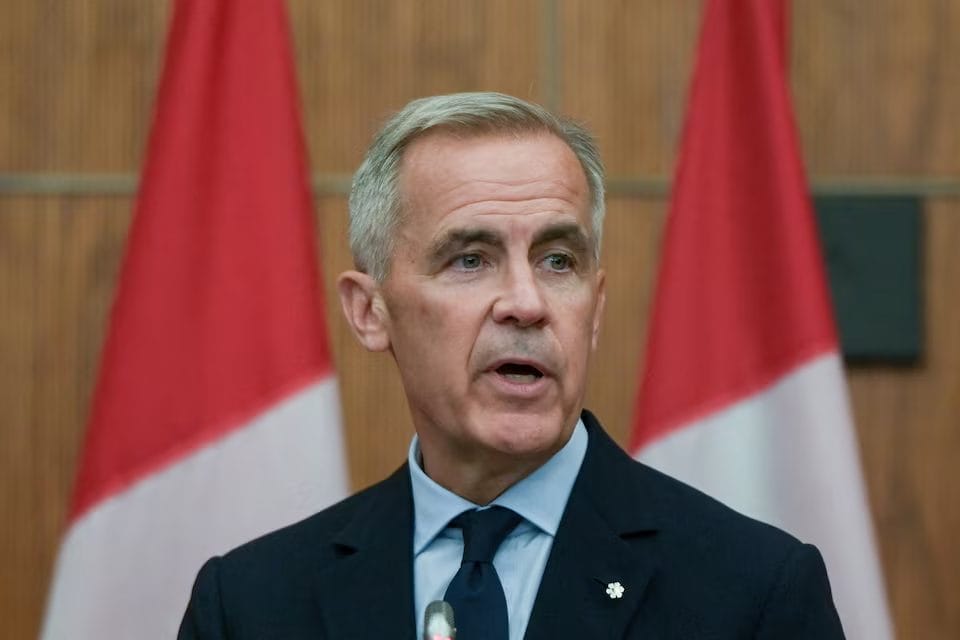
Carney said the move mirrors a similar step taken by the U.S. and is designed to “re-establish free trade for the vast majority of our goods.”
But not everyone is cheering. While groceries, cosmetics, and consumer electronics are on the list, the tariffs on steel, aluminum, and auto parts—some of Canada’s most strategic sectors—are still in place.
What Is Actually Changing?
If you buy American orange juice, clothes, toiletries, or electronics, you might notice lower prices. That’s because tariffs as high as 25% will be scrapped on hundreds of items, including:
- Groceries (milk, cheese, eggs, spices, pasta, soups)
- Personal care items (shampoo, deodorant, perfume)
- Clothing and footwear (shirts, jackets, boots, hats)
- Electronics (phones, printers, gaming consoles)
- Kitchen and household tools (toasters, sinks, microwaves)
- Toys and sporting goods (tricycles, skis, golf gear)
This decision affects CUSMA-compliant goods, which make up the majority of cross-border trade between Canada and the U.S.
Strategic Sectors Still Face Tariffs
Carney made it clear that Canada’s 25% tariffs on U.S. autos, aluminum, and steel will remain in place. The U.S. hiked its own duties on these items to 50% earlier this year.
So while the retail and small business sectors might breathe easier, Canadian manufacturers—especially in Ontario’s auto and steel corridor—are still facing heavy U.S. penalties.
Carney said the government’s current focus is negotiating fairer terms for these industries in the months ahead.
Why Is This Happening Now?
Carney and U.S. President Donald Trump spoke just a day before the announcement. Trump described their conversation as “a good talk,” and said he’s optimistic about reaching a new deal.
Carney had hinted earlier this summer that he might ease tariffs if it would help protect Canadian jobs. Now, with the CUSMA review on the horizon in 2026, he says it’s time to “stickhandle” the relationship differently.
“We’ve shown we can fight,” he said at the Ottawa press conference. “Now it’s time to play the long game.”
Is This a Win or a Walk-Back?
That depends who you ask.
Critics—including Conservative Leader Pierre Poilievre—say Carney has given up too much without securing meaningful U.S. concessions.
“His elbows have mysteriously gone missing,” Poilievre quipped, referencing Carney’s past tough talk on tariffs. “You remove your tariffs, we remove ours. That’s what I would have done.”
Labour groups like Unifor argue that removing tariffs “without conditions” leaves Canadian workers vulnerable. President Lana Payne said the move “enables more U.S. aggression.”
But small business groups are applauding the move. The Canadian Federation of Independent Business (CFIB) called it “a step in the right direction,” especially for retail and food importers.
What’s Next for Trade Between Canada and the U.S.?
The two countries are entering a new phase of talks to reshape their trade and security relationship. That includes consultations ahead of the 2026 CUSMA review, which Carney says will begin next spring.
Carney also mentioned upcoming “nation-building projects” that aim to boost Canada’s economy through infrastructure—highways, ports, pipelines, and more.
But he acknowledged the challenges ahead: “Getting a final deal will not be easy,” he said. “The U.S. demand list is long.”
Local Impact: What This Means for Toronto
In the 6ix, this could translate into lower prices on daily essentials—from grocery store orange juice to electronics at Best Buy. It might also help Kensington Market shops or small grocers who rely on U.S. imports.
Still, for businesses involved in manufacturing or materials, the tougher tariffs on aluminum and autos remain a pain point.
As Ontario Premier Doug Ford noted, “If Ottawa can’t get us a deal that works for steel and autos, then it better back those sectors with real support.”
Is Carney Playing It Smart—or Playing It Safe?
That’s the political question now. His team argues this decision puts Canada in a stronger negotiating position. Critics say it’s a sign of retreat.
Is lifting these tariffs good policy—or a risky move? Share your thoughts in the comments.
More…