The Full Moons, Supermoons, and Eclipses of 2026
If you feel like you’re seeing more of the moon lately while driving through the GTA or northern Ontario, you aren’t imagining it. The year 2026 is a “bonus” year for lunar enthusiasts, featuring 13 full moons instead of the usual 12. From a rare “Blood Moon” to a solar eclipse visible right here in Ontario, the celestial calendar is packed with reasons to grab a pair of binoculars.
2026 Full Moon Schedule: The “Blue Moon” Year
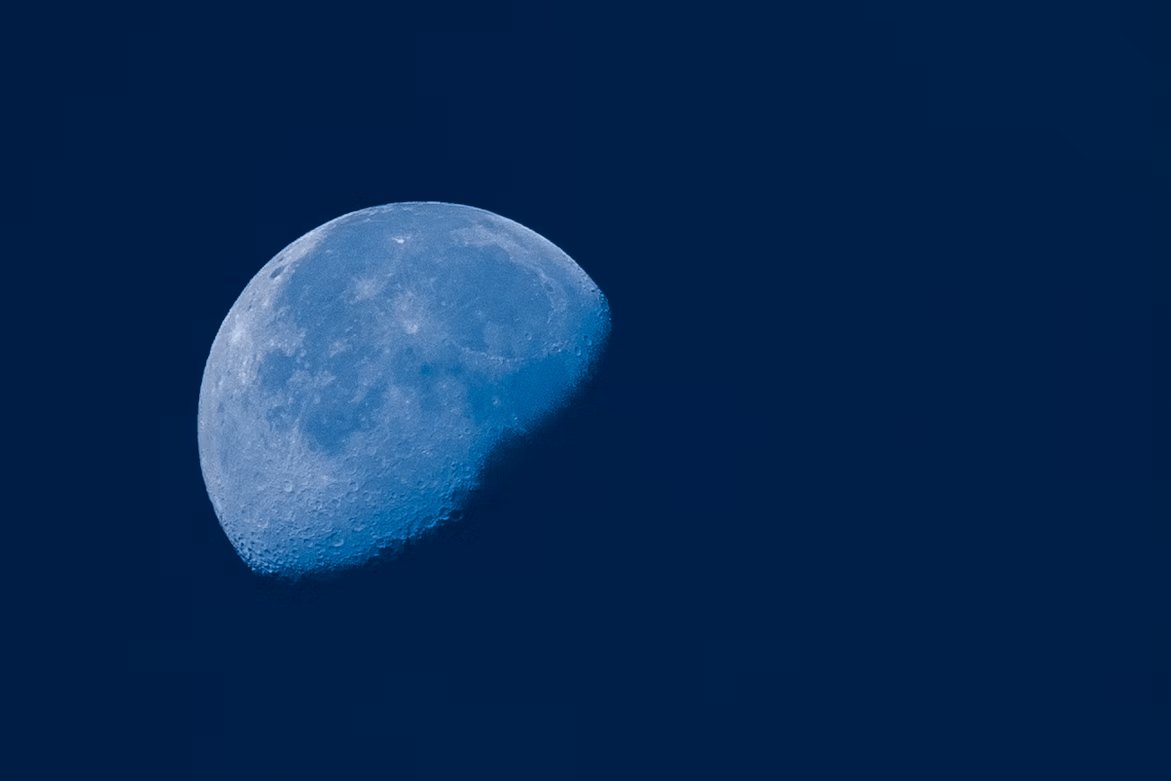
Because the lunar cycle lasts approximately 29.5 days, most years see one full moon per month. However, roughly every 2.7 years, the timing aligns so that a single month squeezes in two full moons. In 2026, that month is May.
The second full moon in a calendar month is known as a Blue Moon. While it won’t actually change color, it marks a rare chronological quirk that won’t happen again for several years.
Mark these dates for the 2026 Full Moons (Times in EST/EDT):
- Jan 3: Wolf Moon (Supermoon)
- Feb 1: Snow Moon
- March 3: Worm Moon (Total Lunar Eclipse – Visible in Ontario)
- April 1: Pink Moon
- May 1: Flower Moon
- May 31: Blue Moon
- June 29: Strawberry Moon
- July 29: Buck Moon
- Aug 28: Sturgeon Moon (Partial Lunar Eclipse – Visible in Ontario)
- Sept 26: Harvest Moon (Corn Moon)
- Oct 26: Hunter’s Moon
- Nov 24: Beaver Moon (Supermoon)
- Dec 23: Cold Moon (Supermoon)
Supermoons: When the Moon Looms Large
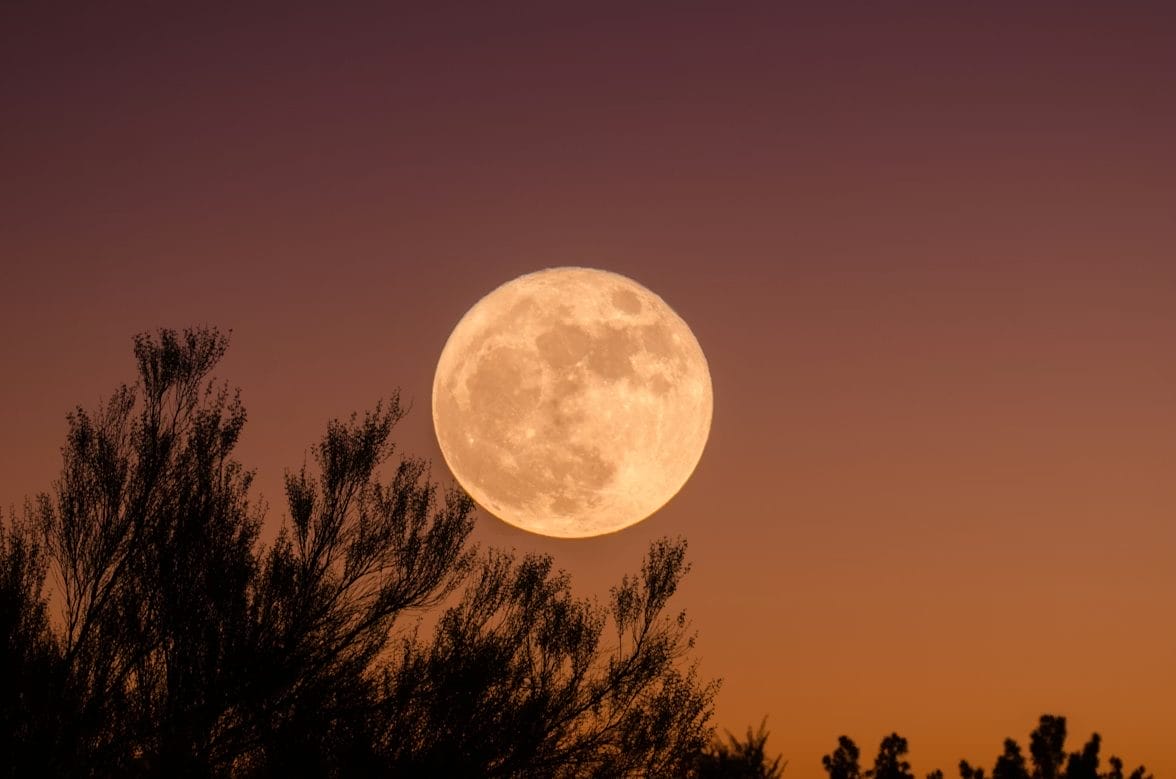
A supermoon occurs when a full moon coincides with the moon’s “perigee”—the point in its elliptical orbit where it is closest to Earth. In 2026, Ontario will witness three supermoons. The first arrived on January 3, followed by a back-to-back duo on November 24 and December 23. These are the best nights for photography, as the moon’s scale becomes much more apparent when it is near the horizon, especially over the Great Lakes.
The 2026 “Blood Moon” and Solar Eclipse in Ontario
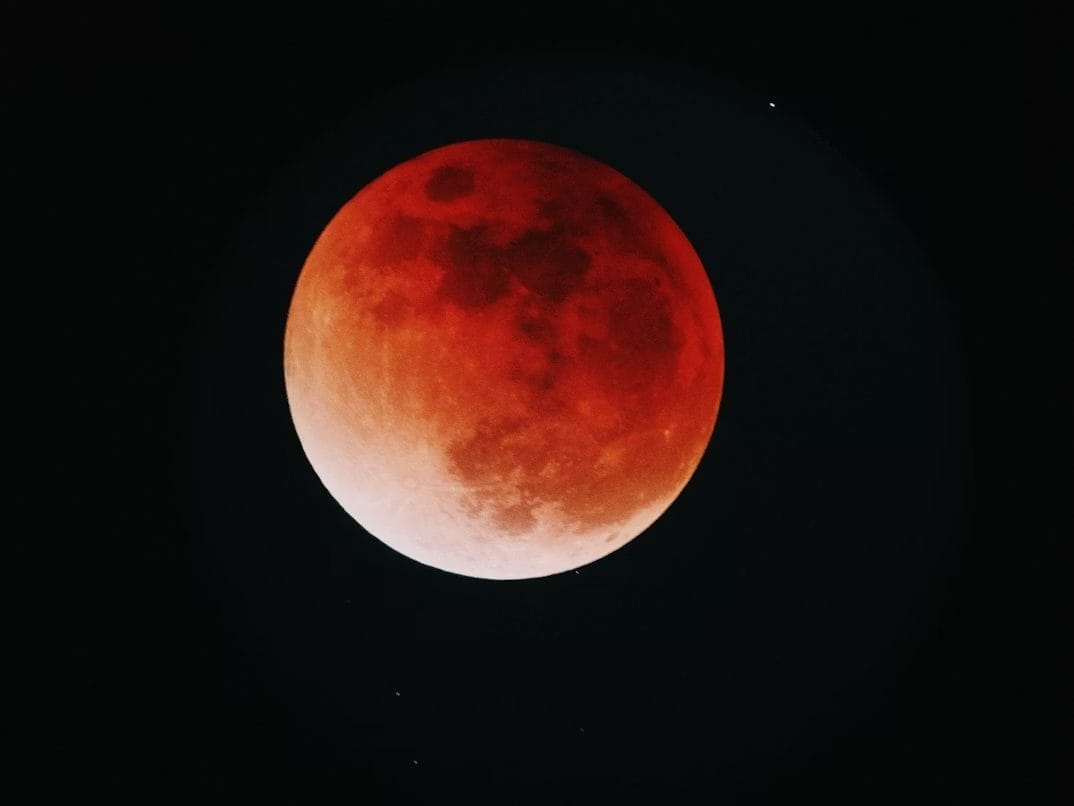
Beyond the monthly phases, 2026 brings two major eclipse events that are perfectly positioned for Ontario observers.
The Total Lunar Eclipse (March 3) – “The Morning Blood Moon”
During the early hours of March 3, 2026, the moon will pass through the center of Earth’s shadow. In Ontario, this will be an early-morning event.
- Starts: 3:44 am EST
- Totality Begins: 6:04 am EST
- Maximum Eclipse: 6:33 am EST (The Moon will be very low in the West)
- Visibility: For the best view in cities like Toronto or Ottawa, ensure you have a clear, unobstructed view of the western horizon, as the moon will be setting just as it reaches peak “Blood Moon” red.
The Total Solar Eclipse (August 12) – “The Afternoon Partial”
While the “Path of Totality” (the area of 100% darkness) crosses Greenland and Spain, Ontario will still get a significant show.
- Starts: 12:55 pm EDT
- Maximum Eclipse: 1:40 pm EDT (Approx. 16-20% coverage)
- Ends: 2:23 pm EDT
- Visibility: This will appear as a “partial” eclipse in Ontario, where the moon takes a small “bite” out of the sun. Important: You must use certified solar eclipse glasses to view this event safely from Ontario.
Space Exploration: Returning to the Moon
The moon isn’t just a spectacle in 2026; it’s a destination. As of January 2026, NASA is targeting a launch window opening as early as February 6, 2026, for the Artemis II mission. This 10-day mission will carry a four-person crew—including Canadian astronaut Jeremy Hansen—around the far side of the moon and back.
This mission marks the first time a Canadian will leave low Earth orbit to visit the vicinity of the moon, making 2026 a historic year for Canadian space history.
Fast Facts: Lunar Anomalies in 2026
According to data from Time and Date and NASA’s Jet Propulsion Laboratory, 2026 is a year of “speed records” for our satellite:
- Smallest Full Moon: The Blue Moon on May 31 will be the smallest of the year, appearing roughly 12% smaller than the December supermoon.
- The Sprint: The moon will complete its cycle from New Moon to New Moon in just 29.285 days between June and July.
- Alignment: The March 3 full moon reaches 99.999% illumination during the eclipse, making it the most “perfect” full moon of the year.
Frequently Asked Questions (FAQ)
When is the next Blue Moon in Ontario?
In 2026, the Blue Moon occurs on May 31. After this, Ontario won’t see another monthly Blue Moon until May 2029.
Can I see the 2026 Solar Eclipse from Toronto or Ottawa?
Yes! On August 12, 2026, a partial solar eclipse will be visible across Ontario. In Toronto and Ottawa, about 15-18% of the sun will be obscured by the moon during the early afternoon.
Why does the moon turn red during the March eclipse?
During a total lunar eclipse, the Earth blocks direct sunlight. Only light that has passed through Earth’s atmosphere reaches the moon. The atmosphere filters out blue light and bends red light toward the moon, giving it a “Blood Moon” appearance.
Is a Canadian going to the moon in 2026?
Yes! Canadian Space Agency astronaut Jeremy Hansen is a mission specialist on the Artemis II mission, scheduled to fly around the moon as early as February 2026.
Related Reads: