Is Niagara Falls Actually Frozen? Here’s the Cool Truth Behind the Viral Photos
You’ve seen the photos taking over your social feed. Massive icicles draping off the cliffside, a white blanket covering the gorge, and headlines screaming about a “frozen” wonder. It looks like a scene straight out of a fantasy novel.
But did the rushing water actually stop? Well, not exactly.
If you are planning a trip to witness this winter spectacle, you need to know what you are actually looking at—and how to stay safe while doing it. Let’s dig into the science, the history, and the best spots to catch the view before the ice melts.
The “Frozen” Illusion: What’s Really Happening?
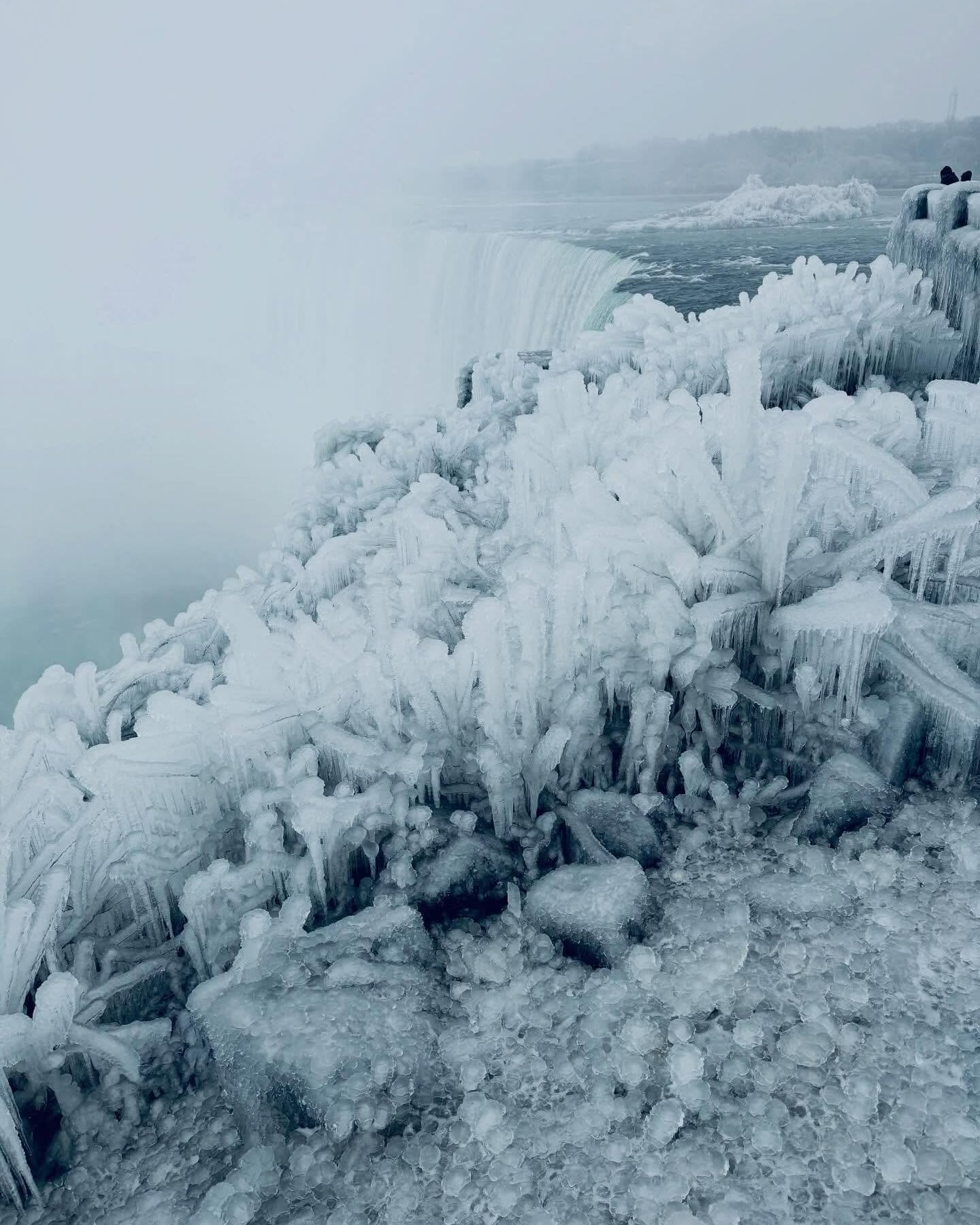
First things first: Niagara Falls does not freeze solid.
It might look like it has stopped in its tracks, but that is a magnificent optical illusion. The sheer volume of water flowing over the falls—roughly 3,160 tons every second—combined with the constant movement creates enough force to prevent a total freeze.
Advertisement
So, why does it look frozen?
You are seeing a combination of two things: frozen mist and surface ice.
As the water crashes down into the gorge, it generates a massive amount of mist. When the temperatures plummet (like the recent polar vortex hitting Southern Ontario), that mist freezes instantly on everything it touches. It coats the trees, the railings, and the rocks in layers of ice, creating that Narnia-like landscape.
Meanwhile, “ice bridges” and mounds form at the base of the falls. These can pile up to 40 feet high! But if you look closely, you will still see the water rushing furiously beneath the ice sheets.
The “Ice Boom” Factor
There is also a man-made reason we don’t see massive ice jams anymore. The Lake Erie-Niagara River Ice Boom is a floating barrier installed every winter. It prevents massive chunks of ice from Lake Erie from clogging up the river and damaging hydroelectric intakes. This helps keep the water flowing, even in the dead of winter.
Advertisement
A Trip Back in Time: The Day the Water Actually Stopped
While a total freeze is physically impossible today due to flow management, it has happened once in history—but not because of the cold alone.
The Silence of 1848
On March 29, 1848, the roar of the falls suddenly went silent. It wasn’t just cold; it was a wind-driven phenomenon. Gale-force winds pushed millions of tons of ice across Lake Erie, creating a massive ice dam at the source of the Niagara River.
For 30 hours, the riverbed dried up. Locals walked out onto the river floor, collecting bayonets from the War of 1812 and exploring the rocks. It remains the only time in recorded history that the falls completely stopped.
The Danger of the Ice Bridge
In the Victorian era, people used to party on the ice. Seriously. When the ice formed a bridge across the river, vendors would set up shanties selling liquor and photographs. It was a major tourist attraction until disaster struck.
On February 4, 1912, the ice bridge suddenly broke apart, claiming the lives of three tourists. Since then, walking on the ice bridge has been strictly prohibited. You can read more about this tragedy from the Niagara Falls National Heritage Area.
2026 Update: What to Expect This Weekend
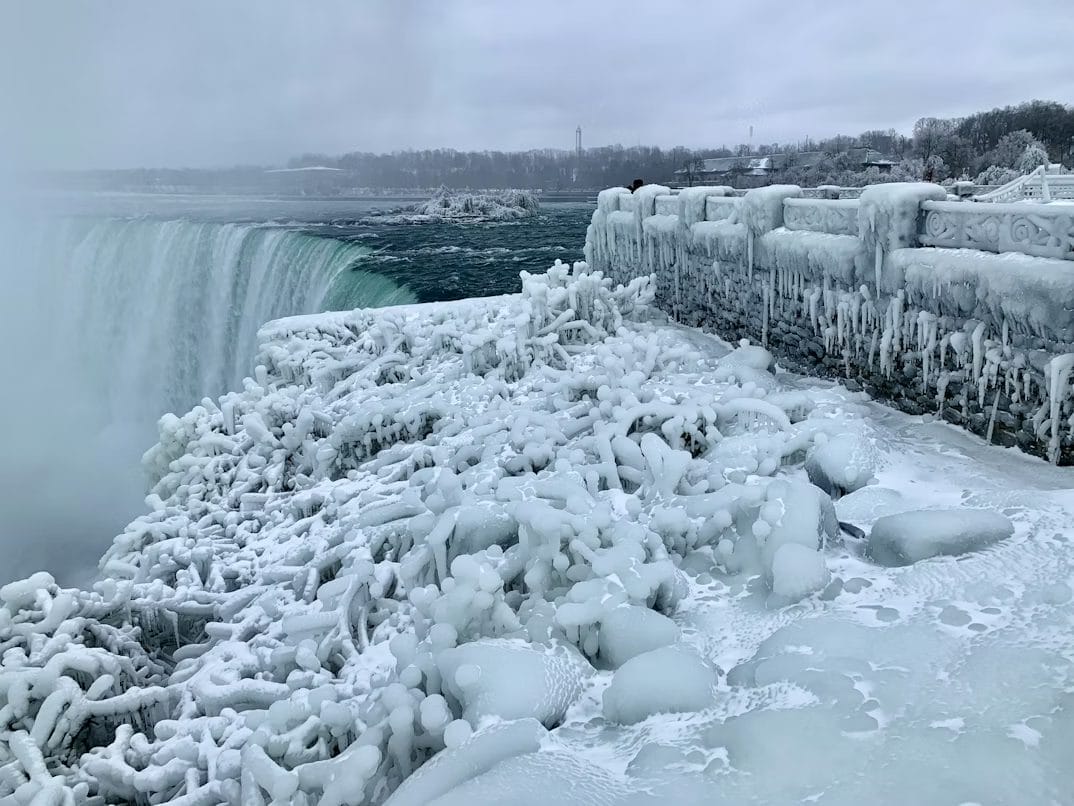
If you are heading out this weekend, expect company. The “frozen falls” phenomenon is a massive draw, and reports from Global News confirm that crowds are already flocking to the park.
Current Conditions
Recent extreme cold and snow have created prime viewing conditions. The mist has coated the surrounding parklands in a thick, frosty glaze. While the roads might be clear, the pathways near the brink can be slippery.
Niagara Parks CEO David Adames noted that while summer is popular, many visitors claim winter is their absolute favorite time to visit because the view is so unique. Just be prepared for the chill—the wind coming off the gorge makes it feel significantly colder than the forecast.
Insider Tips for the Best Views
Don’t just show up and stand at the railing. To really appreciate the power of the ice, you need to get lower (or higher). Here are the top recommendations based on current accessibility.
1. The Tunnel at Niagara Parks Power Station
This is the newest and perhaps coolest way to see the ice. You take a glass elevator down 180 feet and walk through a historic tunnel that empties out at the river’s edge. You get a panoramic view of the falls and the ice buildup from the bottom, without the freezing spray hitting you directly.
2. Journey Behind the Falls
If you want to feel the thunder, this is the spot. You travel through tunnels cut directly into the bedrock behind the Horseshoe Falls. In winter, the viewing portals often freeze over with intricate ice crystals, framing the crashing water beautifully. It offers a perspective you simply can’t get from the street level.
What to Wear (The “Trust Me” List)
- Boots with Grip: The mist freezes on the sidewalks. Sneakers will turn into ice skates. Wear boots with good tread.
- Layers, Layers, Layers: You will be walking, so you’ll get warm, but when you stop to take that selfie, the wind chill will bite.
- Waterproof Outer Shell: Even if it isn’t raining, the mist is wet. A down jacket can get soggy and lose insulation; a waterproof shell over fleece is a smarter choice.
So, is it frozen? No. Is it worth the drive? Absolutely. Just bundle up and respect the fences—nature is beautiful, but that ice is slippery!
Related Reads:
- Frozen Niagara Falls draws captivated tourists – February 1, 2026
- Below-freezing temperatures create frozen falls appearance
- Niagara Falls partly freezes, creating ‘dazzling’ views
- Full Snow Moon February 2026: Peak Time, Meaning & How to See It
Advertisement