Full Snow Moon February 2026: Peak Time, Meaning & How to See It
February’s wintry “Snow Moon” reaches its dazzling peak this weekend, lighting up the chilly night sky. Whether you’re a casual sky-gazer or an astronomy buff, this is a prime opportunity to connect with the cosmos. We’ve broken down exactly when to watch, why it has such a unique name, and what other lunar spectacles—like eclipses and supermoons—are coming your way in 2026.
Everything You Need to Know About the February Snow Moon
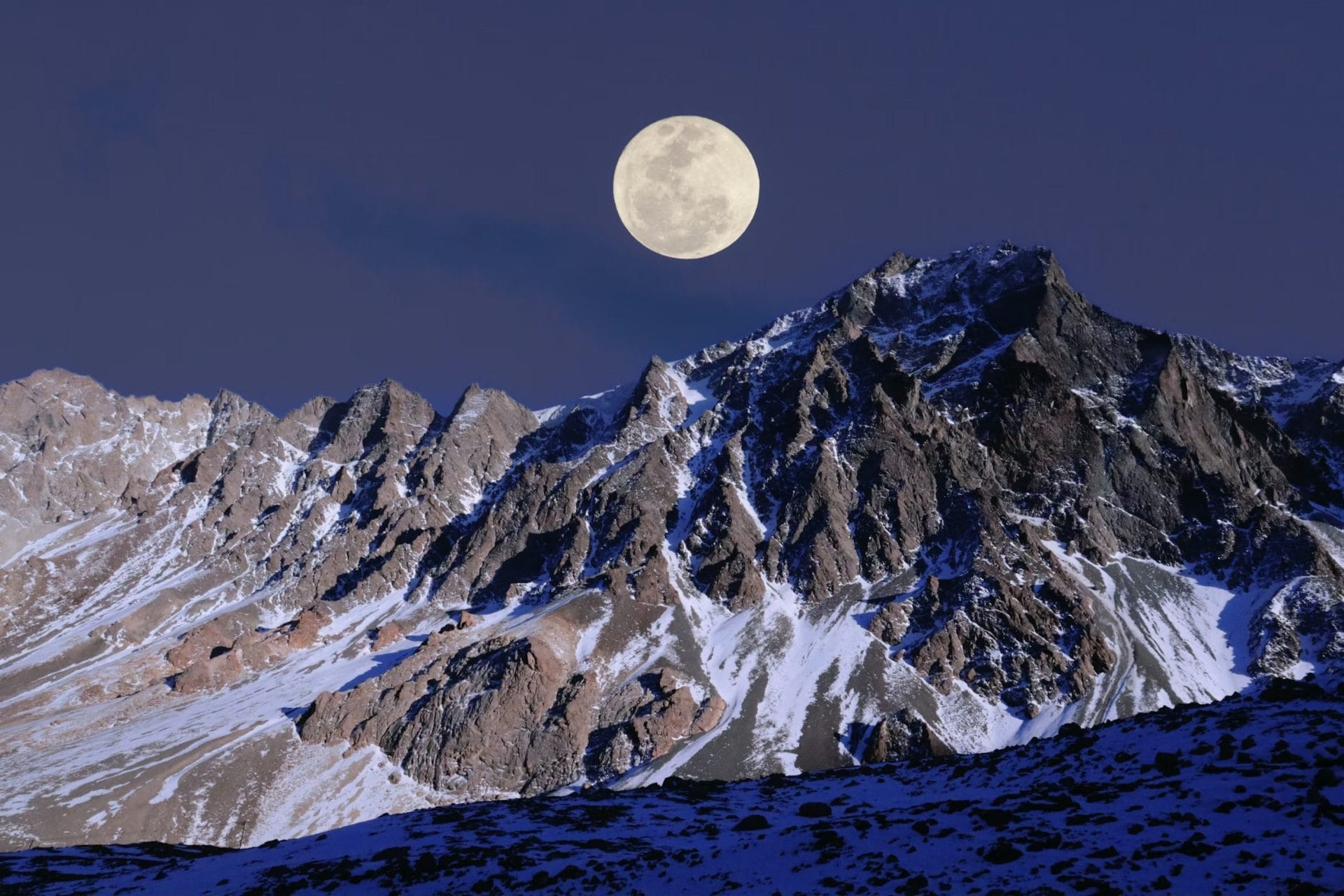
Mark your calendar for Sunday, February 1, 2026. The full moon officially reaches its peak illumination at 5:09 p.m. ET. While that specific minute marks the astronomical “full” phase, you don’t need to stress about exact timing. To the naked eye, the moon will appear full and bright starting Saturday night and lasting through Monday evening.
For the best view, head outside right around sunset. Look toward the eastern horizon. When the moon sits low in the sky, it often looks much larger than usual—a mind-bending trick known as the Moon Illusion. You won’t need fancy equipment, but grabbing a pair of binoculars can reveal stunning details of the lunar craters and “seas” (maria) that make up its geography.
Pro Tip: Weather permitting, this full moon sits near the Beehive Cluster in the constellation Cancer. Binoculars will help you spot this sparkly collection of stars right next to the bright lunar disk.
Why Do We Call It the Snow Moon?
The names of our full moons often trace back to early Native American, Colonial American, and European folklore. February’s moon earned the moniker Snow Moon for a straightforward reason: this month typically brings the heaviest snowfall across North America. According to the Old Farmer’s Almanac, the name reflects the deep winter conditions that define the season.
But the names don’t stop there. Because deep snow made hunting difficult, some tribes also referred to this as the Hunger Moon. Other descriptive names from various Indigenous cultures include:
- Sleet Moon (Comanche)
- Wind Moon (Creek)
- Crow Moon (Shawnee)
What’s Next for the Night Sky in 2026?
Eclipses, Supermoons, and Artemis II
The Snow Moon is just the opening act for a spectacular year of lunar events. While you are admiring the view, keep in mind that we are entering a historic era for lunar exploration. NASA continues preparations for the Artemis II mission, which aims to send four astronauts on a journey around the moon. While launch dates are subject to change, the mission represents humanity’s next giant leap toward the lunar surface.
If you love celestial shows, circle March 3, 2026, on your calendar. Not only will we see the “Worm Moon,” but sky-watchers in the Americas, Asia, and Australia will also witness a Total Lunar Eclipse. During this event, the moon passes into Earth’s dark shadow (umbra) and often turns a dramatic rusty red—a phenomenon often called a “Blood Moon.”
Later in the year, the moon gets even brighter. Supermoons—which occur when the moon is closest to Earth in its orbit—will light up the skies in November and December. Specifically, the December 23 Cold Moon will be the closest supermoon of the year, appearing about 7% larger and 15% brighter than average.
For a complete breakdown of all the upcoming dates, check out this detailed Full Moons 2026 Schedule to ensure you never miss a moment.
Summary of 2026 Lunar Highlights
Here is a quick cheat sheet for the rest of the year’s full moons:
- March 3: Worm Moon (Total Lunar Eclipse)
- April 1: Pink Moon
- May 1: Flower Moon
- May 31: Blue Moon
- June 29: Strawberry Moon
- July 29: Buck Moon
- August 28: Sturgeon Moon
- September 26: Harvest Moon
- October 26: Hunter’s Moon
- November 24: Beaver Moon (Supermoon)
- December 23: Cold Moon (Supermoon)
So bundle up, grab a warm drink, and step outside this Sunday evening. The cosmos is putting on a show, and you have a front-row seat.
Related Reads: