
Here’s What the 2026 Ontario Budget Announcement Means for Your Wallet
Against a backdrop of global market volatility, supply chain shifts, and ongoing U.S. trade tariffs, the highly anticipated Ontario budget announcement for 2026 has officially arrived.
Dubbed “A Plan to Protect Ontario,” the $244.2 billion fiscal blueprint delivered by Finance Minister Peter Bethlenfalvy aims to insulate the province’s economy while delivering targeted financial relief to homebuyers, small businesses, and everyday commuters. However, this protective stance comes at a steep cost: a projected provincial deficit that has nearly doubled to $13.8 billion for the 2026-27 fiscal year.
Whether you are a Toronto resident looking to buy your first home, a small business owner navigating economic headwinds, or a global investor monitoring the provincial economic and fiscal overview, here is a comprehensive breakdown of how the 2026 Ontario budget will impact you.
1. Major Relief for the Housing Market
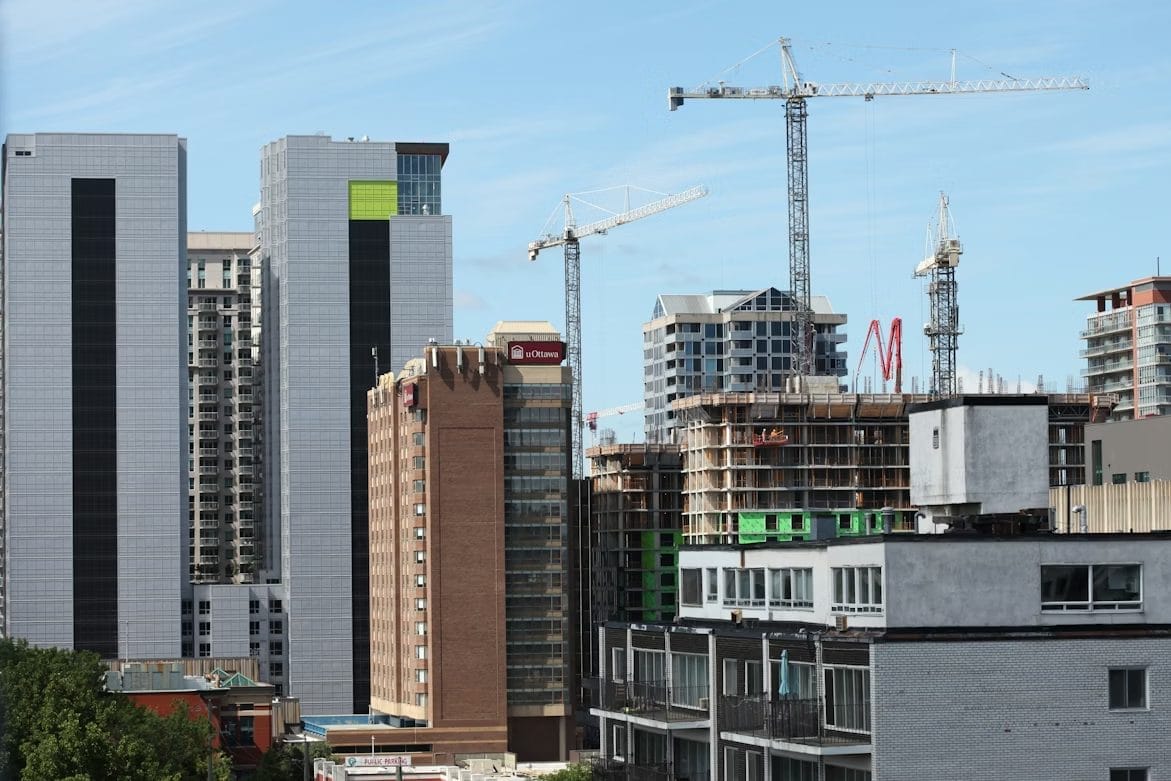
To help revive the slow real estate sector and address the housing affordability crisis, the province is introducing major tax relief for new home buyers in partnership with the federal government.
Starting April 1, 2026, eligible buyers purchasing newly built homes will see a temporary expansion of the Harmonized Sales Tax (HST) rebate, effectively removing the full 13% tax.
- Buyers can receive a maximum rebate of up to $130,000 on homes valued up to $1.5 million.
- Homes valued between $1.5 million and $1.85 million will see the rebate decrease proportionally, maxing out at a $24,000 baseline.
- This program offers the enhanced rebate for purchase agreements signed between April 1, 2026, and March 31, 2027.
The government says the $2.2 billion tax relief program will help build 8,000 new homes. It says this will add needed supply in Toronto and the Greater Golden Horseshoe.
2. A Lifeline for Small Businesses and Tech Innovation
To keep Ontario competitive within the G7, the 2026 budget includes several measures to lower business costs.
- Small business tax cuts: According to the budget’s tax measures annex, the small business corporate income tax rate will fall from 3.2% to 2.2% on July 1, 2026. The government says this 30% cut will save more than 375,000 businesses about $1.1 billion over three years.
- Accelerated write-offs: Businesses will be allowed to immediately deduct 100% of the cost of depreciable assets, such as machinery and equipment. Previously, these deductions were typically spread over several years.
- $4 billion innovation fund: The province is creating the Protect Ontario Account Investment Fund to help keep Ontario intellectual property from moving elsewhere. The fund will be managed by private-sector experts and will invest in defence, data centres, and critical technologies. The budget also sets aside an additional $107 million starting in 2027 for artificial intelligence, advanced manufacturing, and life sciences.
3. Everyday Affordability and Consumer Protection
While opposition leaders say the budget does not provide direct relief for groceries or utilities, the government says it includes measures that affect daily life in Ontario.
- Transit savings: The popular One Fare Program will continue for another two years. It lets riders transfer for free between the TTC, GO Transit, MiWay, and other regional systems. Regular commuters could save up to $1,600 a year.
- Ban on ticket scalping: With the FIFA World Cup coming to Toronto, the province plans to crack down on excessive resale prices. The budget includes legislation that would make it illegal to resell concert or sports tickets above face value.
- Teacher supply funding: To help reduce out-of-pocket costs, elementary homeroom teachers will receive a $750 annual Classroom Supplies Card. Teachers can use it to buy needed materials through a centralized provincial portal.
4. Investments in Healthcare and Social Services
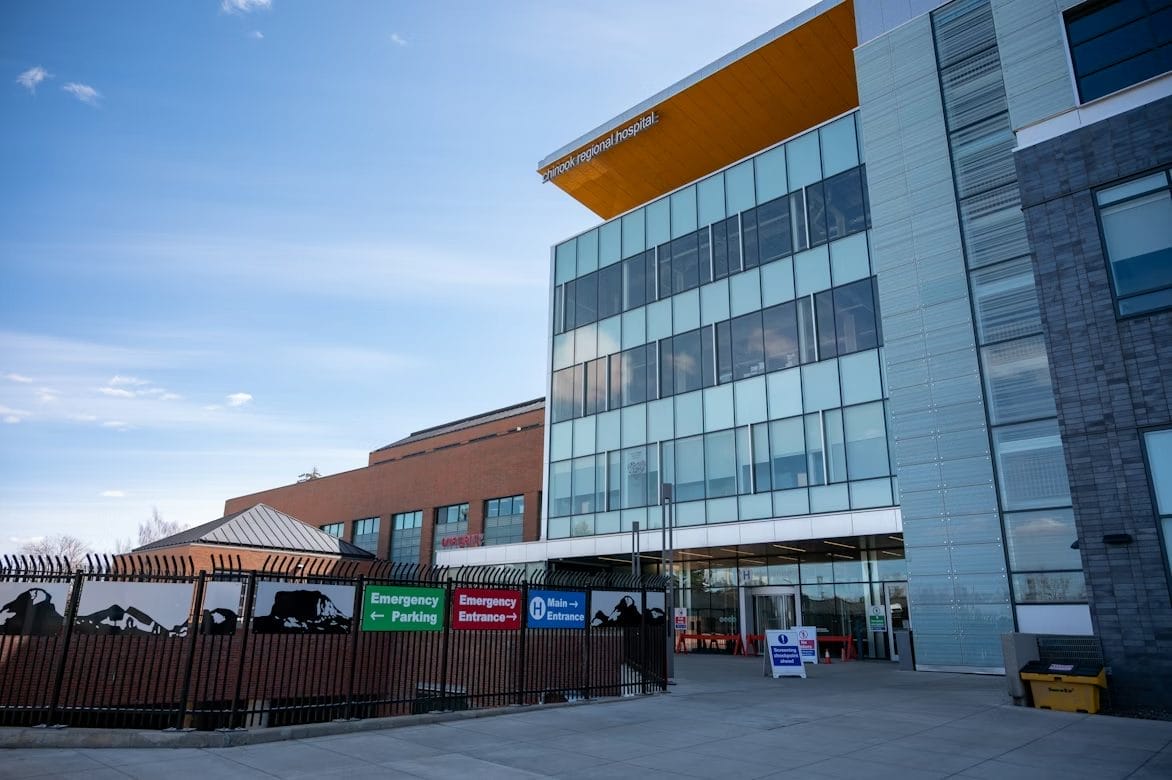
As Ontario’s population grows and ages, the budget directs significant capital toward vulnerable sectors:
- Home Care: An injection of $1.1 billion over three years will expand home and community care services, allowing thousands more patients to receive treatment outside of crowded hospitals.
- Autism Support: Funding for the Ontario Autism Program (OAP) is nearing the $1 billion mark annually (up to $965 million), aiming to clear waitlists and strengthen clinical capacity across the province.
- Primary Care: An additional $325 million investment is slated to help connect more Ontarians directly to primary care physicians and family doctor teams by 2029.
The Fiscal Reality: Higher Deficits for Longer
“Simply put — the world has changed, and we must change with it,” stated Minister Bethlenfalvy, acknowledging the financial toll of adapting to shifting supply chains and geopolitical tensions.
The immediate result is a deepening of the provincial debt. The deficit for 2025-26 sits at $12.3 billion. For the upcoming 2026-27 year, it will jump to $13.8 billion—significantly higher than the $7.8 billion forecasted last year. Ontario’s net debt is expected to cross the half-trillion-dollar mark by 2027-28.
Despite the red ink, the government projects a return to the black by 2028-29, forecasting a modest surplus of $600 million as real GDP growth steadily recovers.
Political Pushback
The budget has not been without its critics. Ontario NDP Leader Marit Stiles argued the budget “fails the test,” noting it does little to address skyrocketing rents for young people. Similarly, Interim Liberal Leader John Fraser pointed out the lack of immediate relief for soaring grocery and home heating costs.
The Bottom Line
The 2026 Ontario budget announcement paints a picture of a government playing both defense and offense. By accepting a larger deficit in the short term, the province is betting that massive infrastructure spending, strategic tech investments, and targeted tax cuts will safeguard Ontario’s economic future against global unpredictability.
What are your thoughts on the 2026 Ontario Budget? Will the HST rebate help you buy a home, or are you concerned about the growing provincial deficit? Let us know in the comments below.
You Might Also Like:


