Toronto Begins Phase 2 Snow Removal After Historic 88cm
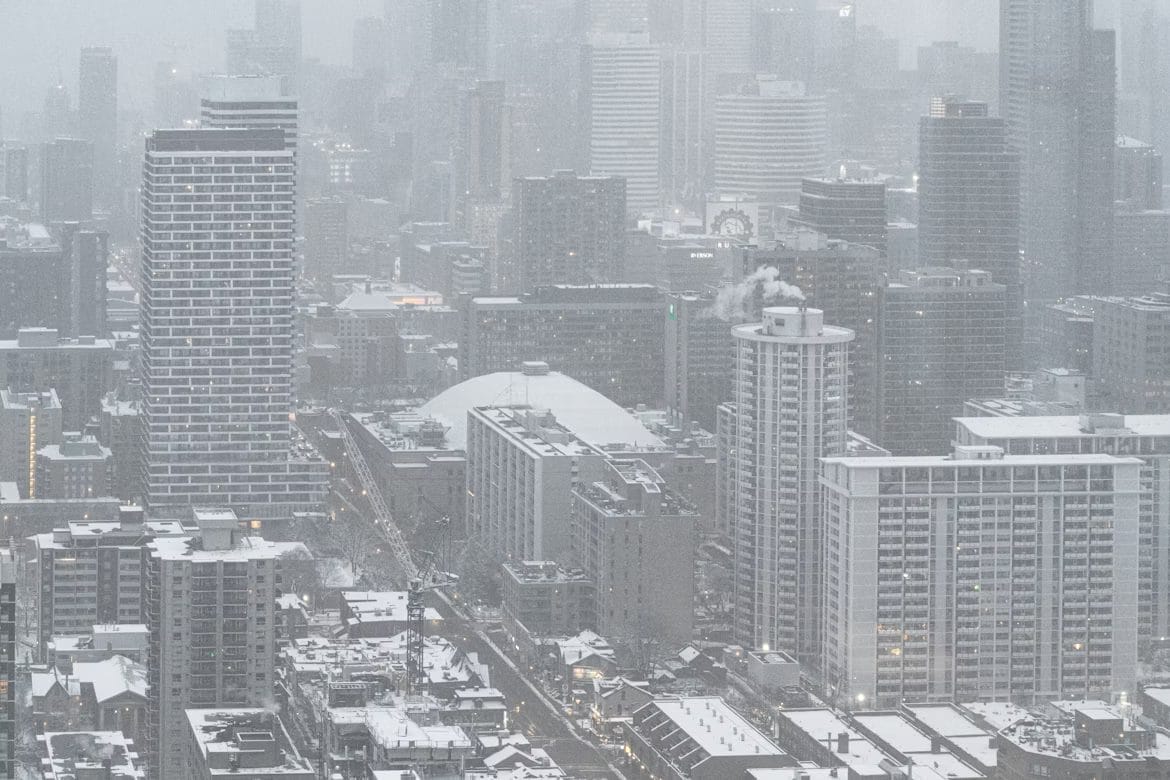
This January has officially entered the record books, leaving Ontarians digging out from a historic wallop of winter weather. If you’re staring out your window at waist-high snowbanks, you aren’t alone. Following Sunday’s record-breaking storm, the City of Toronto has initiated a massive “Phase 2” cleanup operation that goes far beyond standard plowing.
Here is everything you need to know about the current snowfall in Ontario, the city’s aggressive new removal plan, and exactly what you need to do to avoid a $100 fine.
The “Big Dig” Begins: Shifting from Plowing to Removal
The white-knuckle driving conditions are finally easing, but the real work is just starting. After mobilizing over 600 plows and 1,000 staff members to keep arterial roads passable during the storm, city crews have officially pivoted to “snow removal” mode.
Unlike standard plowing, which simply pushes snow to the curb, this phase involves physically lifting the snow piles into dump trucks and hauling them away. City Manager Paul Johnson describes this as a massive logistical operation, necessary because there is simply nowhere left to put the snow.
New Snow Dump Sites and Melters Online
To handle the sheer volume of precipitation—over 88 cm recorded at Pearson Airport this month alone—the city has significantly bolstered its infrastructure. Mayor Olivia Chow confirmed that officials secured a sixth snow storage site in Etobicoke to handle the overflow.
Furthermore, the mechanical failures that plagued the city’s snow melters last winter have been addressed. All existing melters are fully operational, and the city has procured two additional units to speed up the melting process. This increased capacity is critical for clearing priority zones like hospital entrances and TTC stops, which crews began targeting Monday night.
Navigating the “Major Snowstorm Condition” Rules
With great snowfall comes strict regulation. The City of Toronto has declared a “Major Snowstorm Condition,” triggering specific bylaws designed to help heavy machinery navigate narrow streets. Ignoring these rules could leave you with a hefty bill.
Parking Bans and $100 Fines
If you park on a designated snow route, you need to move your vehicle immediately. Parking on these routes is strictly prohibited during this declaration to ensure plows and removal trucks can pass.
For residential streets, keep an eye out for bright orange “No Parking – Snow Removal” signs. Crews will post these 24 hours in advance of scheduled removal on your block.
- The Consequence: Vehicles left in the way effectively block the operation for the entire street.
- The Cost: You face a fixed fine of $100, plus the cost of towing and impoundment.
A Historic Month for Ontario Weather
This isn’t just your imagination—this really is one of the heaviest snowfalls in decades. Meteorologists at Pearson Airport confirmed that Sunday alone brought 46 cm of snow, shattering the previous single-day record from 1966.
Why This Storm Was Different
The intensity of this system came from a perfect storm of factors: Arctic air colliding with moisture-rich tropical air, compounded by a “lake enhancement” effect off Lake Ontario. This created rapid accumulation rates of up to 9 cm per hour in downtown Toronto, burying cars and reducing visibility to near zero.
Unlike the snow removal delays seen in February 2025, officials express confidence that this year’s response will be faster and more organized. However, with some areas seeing up to 90 cm of total accumulation from January’s twin storms, patience remains a key requirement for residents.
Practical Tips for Homeowners
While the city handles the roads, your property is your responsibility. Here is how you can help the process (and save your back):
- Clear the Sidewalk: Property owners must clear ice and snow from adjacent sidewalks within 12 hours of the storm ending.
- Dig Out Your Car Now: Do not wait until the plow arrives. City Manager Johnson warned that crews cannot work around buried vehicles, and digging out a frozen car days later is significantly harder.
- Help Your Neighbours: As Mayor Chow noted, “small acts make a big difference.” If you have a snowblower and an elderly neighbour, taking five minutes to clear their path can be a lifesaver.
Residents who encounter uncleared sidewalks or mobility barriers can contact 3-1-1 for assistance.
Related Reads: