Is Toronto Still Affordable? A Look at the Cost of Living in 2025
The cost of living in Toronto continues to be a significant concern for professionals, students, and families as expenses rise across housing, groceries, and transportation. With property prices climbing and daily necessities becoming more expensive, affordability is a growing issue. Understanding the cost of living in Toronto is essential for residents and newcomers alike to assess whether the city remains a viable option. This breakdown of Toronto’s expenses in 2025 highlights key costs and how they impact daily life.
Top Factors Affecting Cost of Living
1. Housing Costs
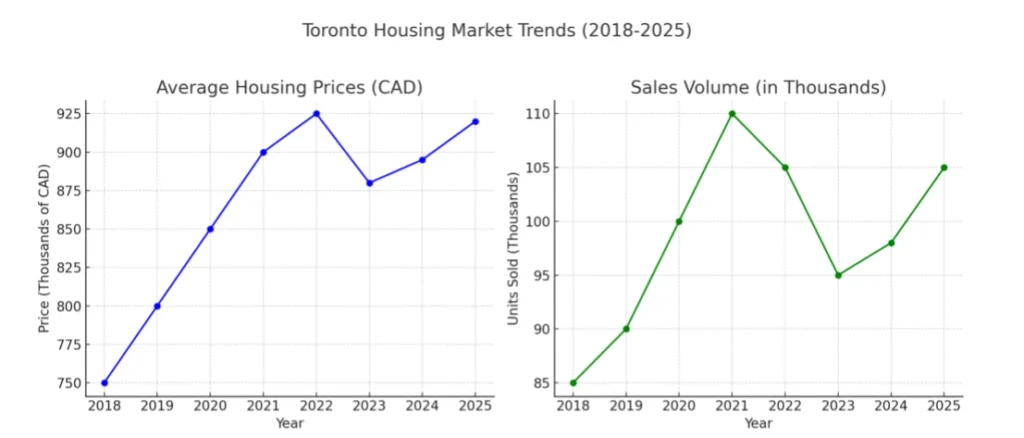
Toronto’s housing market remains one of the most expensive in Canada, with home prices and rent costs continuing to climb year after year. The combination of high demand, limited supply, and rising interest rates has made buying a home increasingly difficult for first-time buyers.
- Home Prices: The average home price in the GTA is now $1,147,000, an increase of 2.6% from 2024. Many buyers struggle with affordability due to stricter mortgage qualification rules and increased borrowing costs.
- Rent Costs: A one-bedroom apartment in downtown Toronto averages $2,523/month, while outside the core, renters still pay about $2,105/month, which is higher than many other Canadian cities.
- Additional Expenses: Homeowners must also factor in property taxes and condo maintenance fees, which can add anywhere from $300 to $1,000 per month, depending on the property.
2. Utilities

Utilities, which include essential services like electricity, heating, water, and waste management, are necessary expenses for every household. However, the costs of these services in Toronto have gradually increased due to inflation, supply chain disruptions, and rising demand. Even renters who have utilities included in their rent often see rent hikes to account for increased costs.
- Basic Utility Bills: The average utility bill for a standard 915 sq ft apartment is $162.97/month, covering heating, water, electricity, and garbage collection.
- Internet & Cable: A basic 60 Mbps internet package costs $70.42/month, while premium plans with faster speeds or unlimited data can easily exceed $100/month.
- Cell Phone Plans: With major providers controlling the market, cell phone plans in Toronto are expensive, ranging from $55 to $100/month, depending on data usage.
3. Groceries

The cost of living in Toronto includes steadily increasing grocery expenses, driven by inflation, supply chain disruptions, and climate-related effects on food production. While residents can cut costs by shopping at discount grocery stores, buying in bulk, or seeking promotions, food prices remain high overall. Understanding how grocery prices fit into the broader cost of living in Toronto is essential for budgeting effectively.
- Average Monthly Spending: A single person spends around $200 – $300/month on groceries, depending on diet, shopping habits, and preferred stores.
- Price Increases: Essentials such as milk, eggs, and bread have risen by 5-10%, with imported products being even more expensive.
- Eating at Home vs. Dining Out: Home-cooked meals are 30-40% cheaper than restaurant dining, but grocery prices have made even this option costlier.
4. Transportation
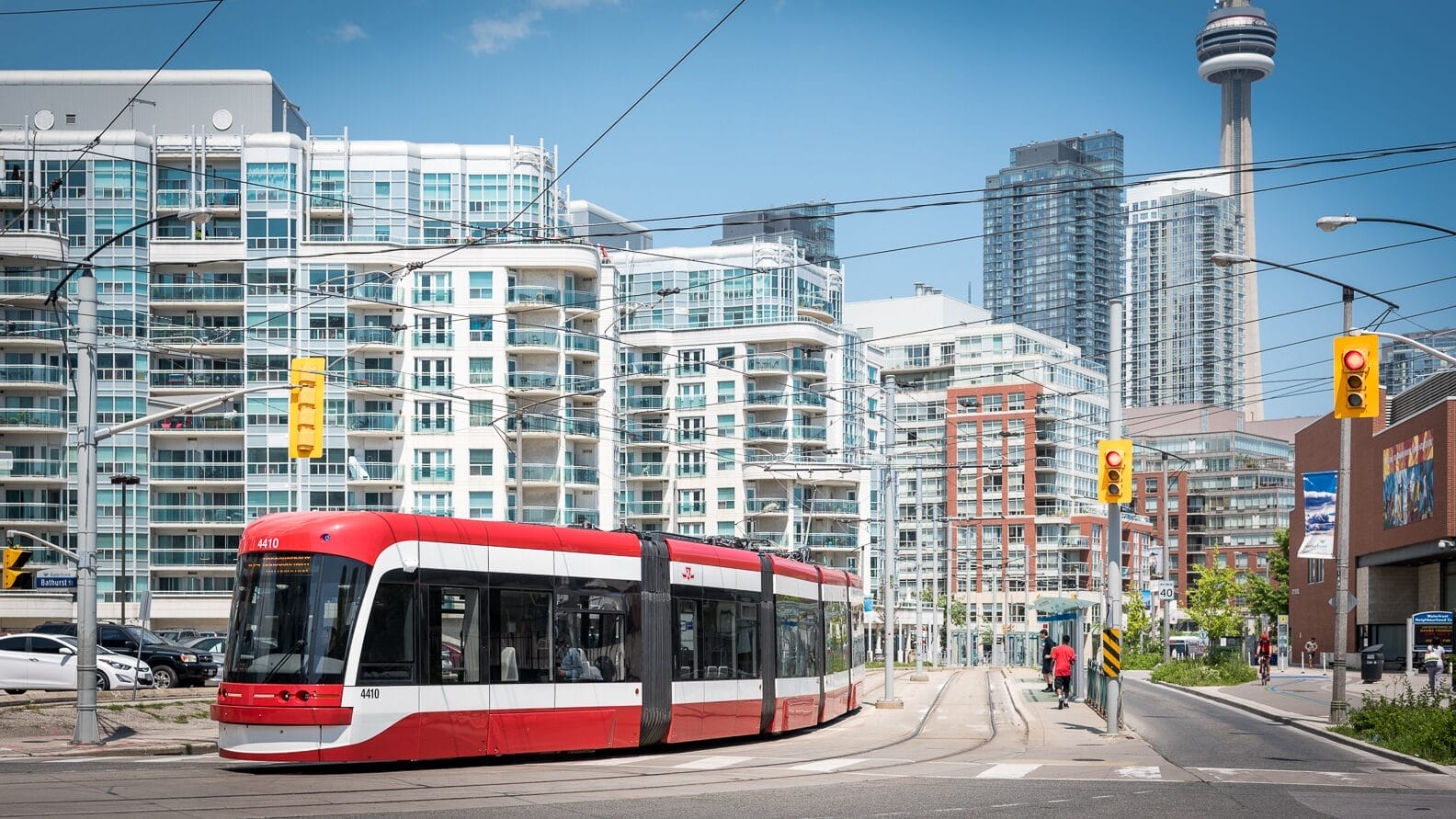
Getting around Toronto can be expensive whether you rely on public transit, own a car, or use ride-sharing services. Rising fuel prices, insurance costs, and increased TTC fares make transportation a significant monthly expense for most residents.
- Public Transit: A monthly TTC pass costs $156, covering unlimited rides on the subway, buses, and streetcars, but single rides have increased to $3.35.
- Gas Prices: With gas prices averaging $1.59 per liter, car owners are facing higher costs to commute daily. Fuel costs can add up quickly, especially for those who drive long distances.
- Car Expenses: Auto insurance in Toronto is among the highest in Canada, averaging between $2,500 – $3,500 per year, depending on driving history and vehicle type.
5. Healthcare

Ontario residents benefit from universal healthcare under OHIP, but additional medical expenses are still a concern. Many services, such as dental care, vision care, and prescription medication, are not covered, leading many to purchase private insurance or rely on employer benefits.
- Employer-Sponsored Insurance: Many companies provide health benefits, with employees paying an average of $63/month for extended coverage.
- Private Insurance Plans: Those without employer benefits pay between $61.32 – $196.20/month for extra coverage, depending on the plan and provider.
- Out-of-Pocket Costs: Prescription drugs, physiotherapy, and dental work can add hundreds or even thousands to annual expenses for individuals without private coverage.
6. Childcare

Toronto has some of the highest childcare costs in Canada, making it a major financial challenge for families with young children. Parents must budget significantly for daycare, preschool, and after-school programs, which often take up a large portion of household income. Many families seek government subsidies, but availability is limited, leading to long waitlists.
- Daycare Costs: The average fee for preschool-aged children is $1,250/month, with some facilities charging even more.
- Government Subsidies: While some parents qualify for fee reductions through provincial programs, many still pay full price.
- Private Schooling: If parents opt for private schools, tuition ranges from $10,000 – $40,000/year, adding another layer of expense.
7. Entertainment and Dining Out

Living in Toronto comes with a variety of entertainment options, from restaurants and nightlife to concerts and sporting events. However, these activities are becoming increasingly expensive, making it harder for many residents to enjoy them regularly. Dining out, in particular, has seen price hikes due to inflation and higher operating costs for restaurants.
- Dining Out Costs: A meal at a mid-range restaurant costs $15 – $30 per person, while fine dining can easily exceed $100 per person.
- Movie and Event Prices: A standard movie ticket costs $15 – $18, while concerts and major sports events can range from $50 to over $200 per ticket.
- Fitness and Leisure: Gym memberships range from $50 – $120/month, and specialty classes like yoga or pilates may cost even more.
8. Taxes

Taxes in Ontario play a crucial role in determining disposable income. Between income tax, property tax, and sales tax, a significant portion of earnings goes toward government contributions. While tax rates vary by income, all residents are affected by sales tax on goods and services, which increases the cost of daily living.
- Income Tax Rates: A person earning $50,000 annually has an effective tax rate of 20.5%, while someone earning $80,000 pays around 25.7%.
- Sales Tax (HST): Ontario’s Harmonized Sales Tax (HST) is 13%, applying to most goods and services.
- Property Taxes: Homeowners pay an average property tax rate of 0.61%, meaning a $1M home incurs around $6,100 per year in taxes.
9. Education

Education is a major factor in affordability, particularly for families with school-aged children and post-secondary students. While public school is free, additional costs such as school supplies, extracurricular activities, and private tutoring can add up. University tuition has also increased in recent years, making post-secondary education more expensive for students and their families.
- Public Schooling: Funded through provincial taxes, public education is free, but families still pay for extracurricular activities and school supplies.
- University Tuition: Domestic students pay between $7,000 – $11,000/year, while international students face significantly higher fees ranging from $30,000 – $50,000/year.
- Additional Costs: Post-secondary students spend an average of $1,200 – $1,500 per year on textbooks, supplies, and other academic materials.
10. Miscellaneous Expenses

Beyond the essentials, other everyday expenses contribute to Toronto’s overall cost of living. These include clothing, personal care, streaming services, and household items. While some of these costs are discretionary, they are still necessary for maintaining a comfortable lifestyle. Many residents find that these expenses add up quickly, especially when combined with rising prices across other categories.
- Clothing & Shopping: Budget-conscious shoppers spend $100 – $200/month on clothing, while high-end shoppers may spend significantly more.
- Personal Care: Haircuts, grooming, and skincare expenses range from $50 – $150/month, depending on lifestyle and service providers.
- Subscriptions & Streaming: Digital entertainment services like Netflix, Spotify, and Disney+ cost $10 – $25/month each, with many people subscribing to multiple platforms.
Toronto remains a city full of opportunities, but affordability is becoming a challenge. Rising costs in housing, groceries, and taxes mean budgeting wisely is essential. While some expenses can be managed, others, like rent and childcare, are harder to control. For those looking to cut back, adjusting entertainment spending is one option. If streaming is part of your budget, check out our blog Best Streaming Services in Toronto: Which One Is Worth It? to find the best value for your money.
More…