The Growing Cormorant Problem in Toronto Islands Raises Alarms Among Community
Residents and business owners on the Toronto Islands are raising red flags over a growing concern—the cormorant problem Toronto. These surging bird populations are creating unpleasant living conditions and damaging the natural environment. The double-crested cormorants, once endangered, are making a dramatic comeback in the region. However, their return hasn’t come without problems. From unbearable odours to dying trees, their increasing numbers are sparking urgent calls for action. As a result, the community continues to plead with conservation authorities to revisit wildlife management strategies. Clearly, the issue grows worse with each passing season.
Why the Cormorant Problem Toronto Needs Serious Attention
Unpleasant Smells and Community Disruption
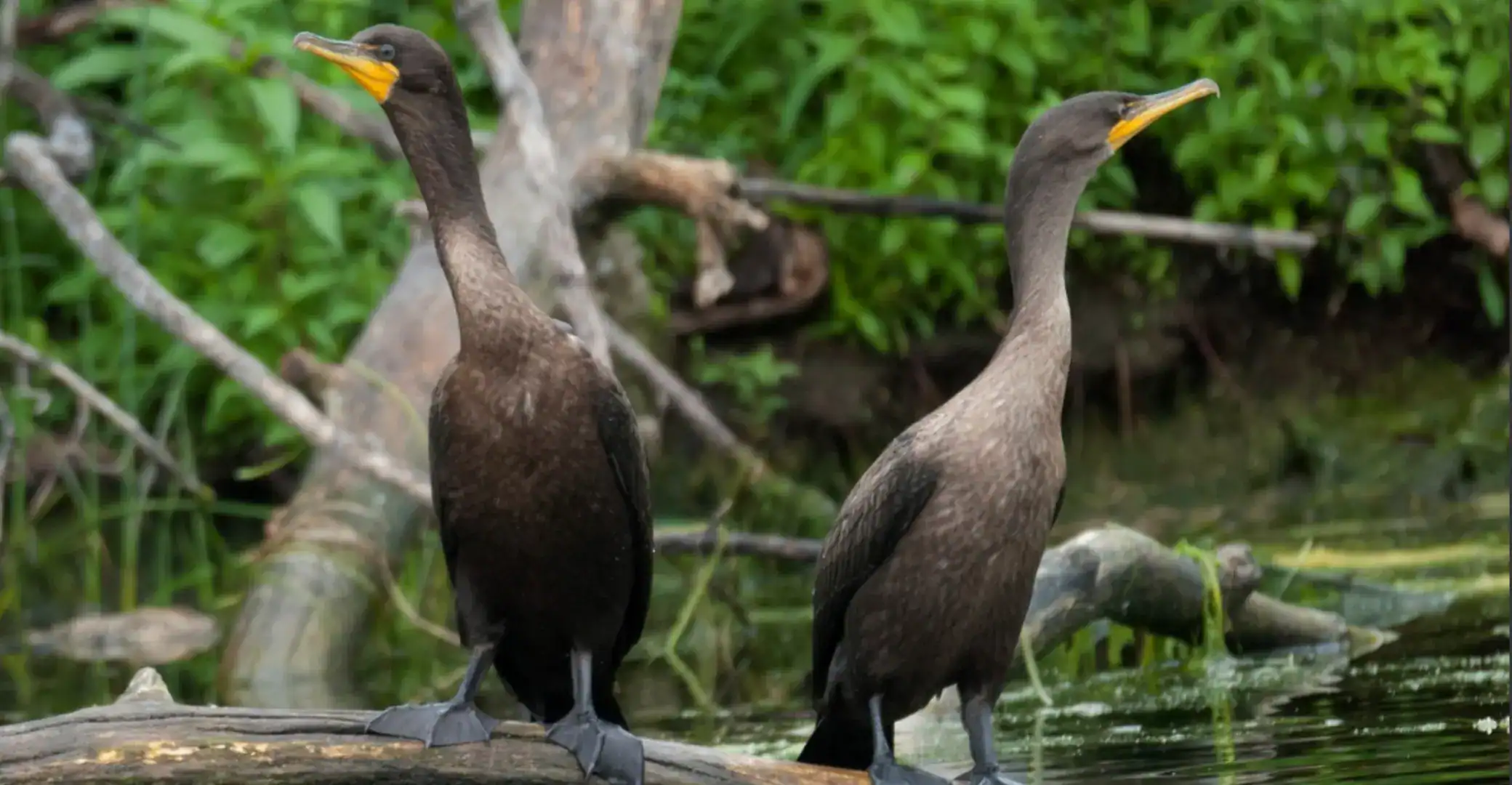
Double-crested cormorants are bringing more than just themselves to the Toronto Islands—they’re bringing noise and an overpowering stench. For example, residents in the area say the birds’ guano creates a strong, fishy odour that becomes unbearable, especially in hot and humid weather. Consequently, windows stay shut and outdoor activities become severely limited because of the overwhelming bird invasion.
- Source of the smell: Acidic guano affects trees and even gives off a pungent, fish-like smell.
- Noise pollution: Large flocks can be very loud, hampering peace and quiet.
- Impact on business: Tourists avoid the smelly areas, which negatively affects local tourism and marina operations.
Environmental Damage: Trees Are Dying
Cormorants aren’t just a nuisance to humans—they’re wreaking havoc on the island’s delicate ecosystem. Their nesting behavior directly leads to tree damage. Specifically, the acidic nature of their droppings eats away at foliage and weakens soil health. Meanwhile, branches often break under the weight of nests. Consequently, critical island greenery is slowly disappearing.
- Photosynthesis blockage: Guano coats leaves, preventing necessary sunlight absorption.
- Soil degradation: The acid impacts nutrient levels, making regrowth difficult.
- Nesting disruption: Birds constantly break branches to build nests, increasing tree stress.
Population Surge and Misguided Protection Zones
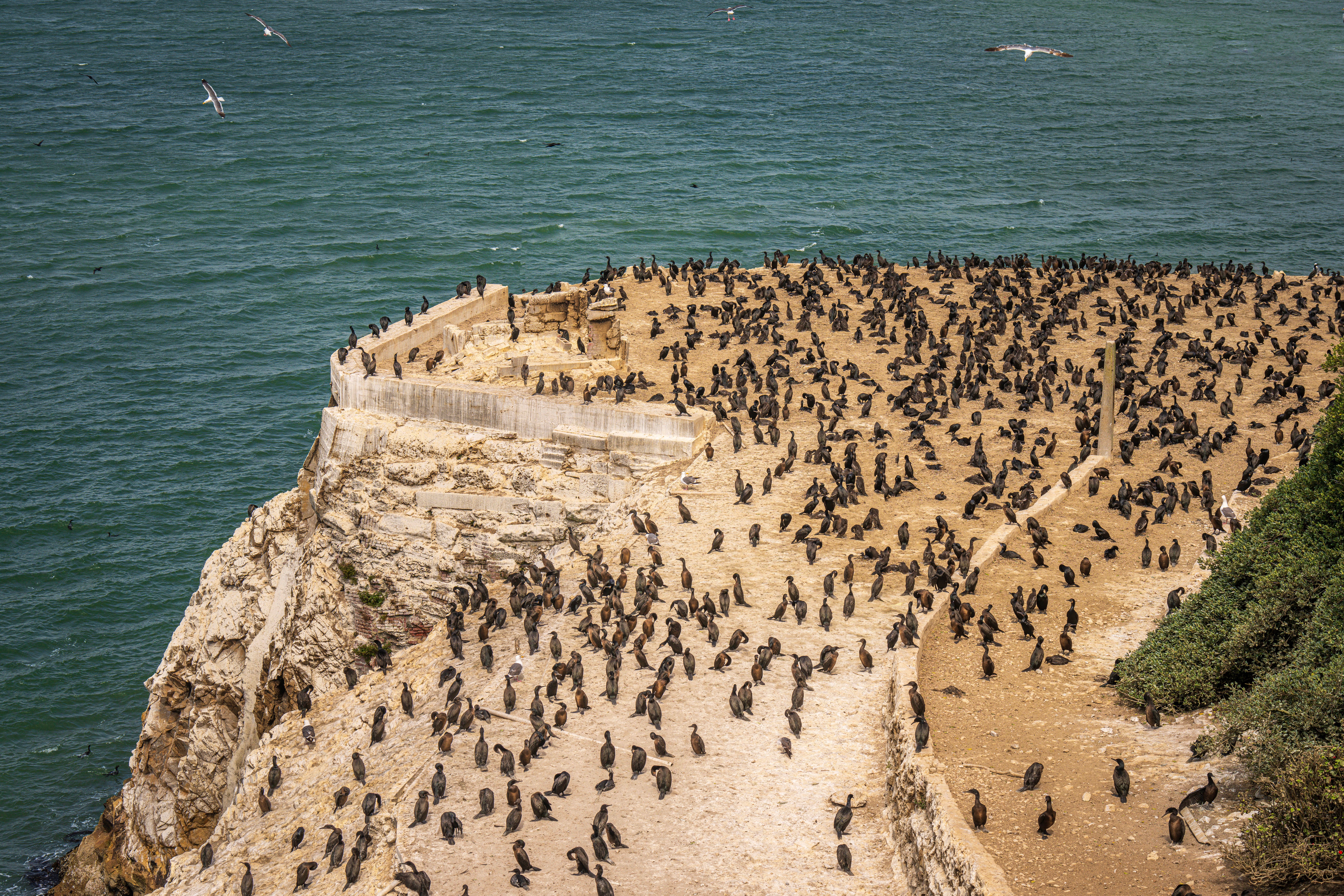
From just over a thousand birds in 2024 to around 4,500 today, the cormorant population on Toronto Island has skyrocketed. Ironically, part of the reason may be linked to protection efforts aimed at a different bird species. A 100-metre buffer zone set up for nesting bald eagles has inadvertently given cormorants a safe space to thrive. Accordingly, their numbers continue to spike quickly.
- Nesting boom: An increase of more than 3,000 cormorants in less than a year.
- Sheltered spread: Protected eagle zones unintentionally allowed cormorants to thrive unchecked.
What’s Being Done to Solve the Cormorant Problem
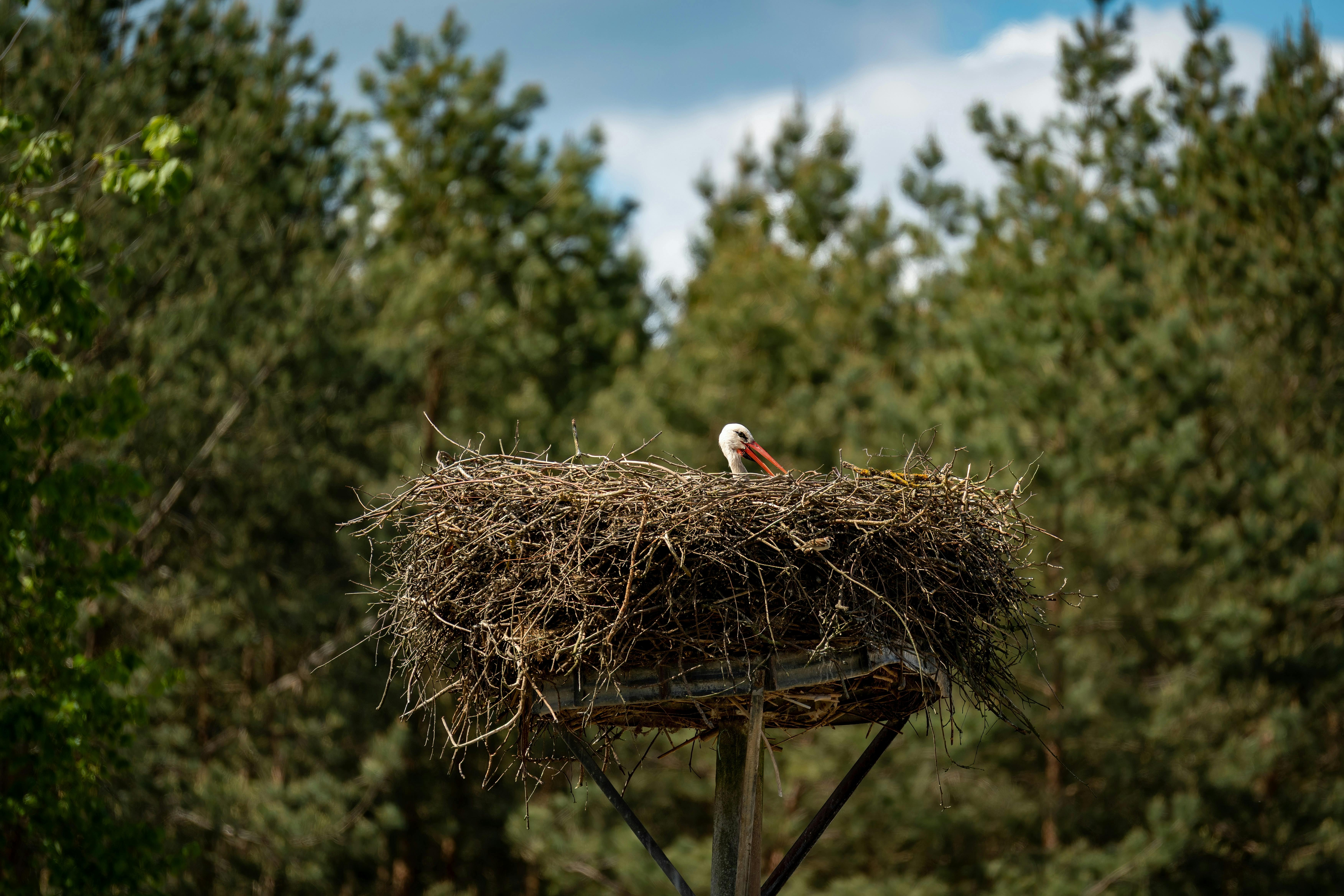
The Toronto and Region Conservation Authority (TRCA) has implemented a multi-phase approach to control the spread. This includes winter nest removal and spring deterrent tactics such as pyrotechnics. Furthermore, summer roost monitoring has been added. Recently, on-ground nesting platforms were introduced to draw birds away from trees.
- Phase One: Removing old nests to prevent re-establishment.
- Phase Two: Using scaring tactics in nesting seasons.
- Phase Three: Encouraging ground nesting through platform structures.
Despite these interventions, the island’s community remains concerned. Bird activity has begun reaching adjacent areas like Algonquin Island. As a result, the likelihood of a broader impact is increasing. Therefore, addressing the cormorant problem Toronto faces requires a well-planned, long-term response.
Although the birds are protected under Ontario’s Fish and Wildlife Conservation Act, maintaining the balance between conservation and livability is getting harder for Toronto Islanders. Undoubtedly, further strategy refinements are essential to preserve both the community and the environment.
More…
- https://www.reddit.com/r/toronto/comments/1dzst2a/plans_to_move_the_cormorants_away_from_toronto/
- https://thelocal.to/cormorants-toronto-island/
- https://www.reddit.com/r/toronto/comments/16yvf7a/cormorants_are_making_nests_on_the_toronto/
- https://www.overheretoronto.com/crumbls-dirty-sodas-arrive-in-canada/