China Battles Chikungunya Outbreak as Over 7,000 Cases Reported
China is responding swiftly to a chikungunya virus outbreak that has affected more than 7,000 people, mainly in the Guangdong province. The outbreak, concentrated in the city of Foshan, has prompted both public health campaigns and strict government enforcement.
What is Chikungunya?
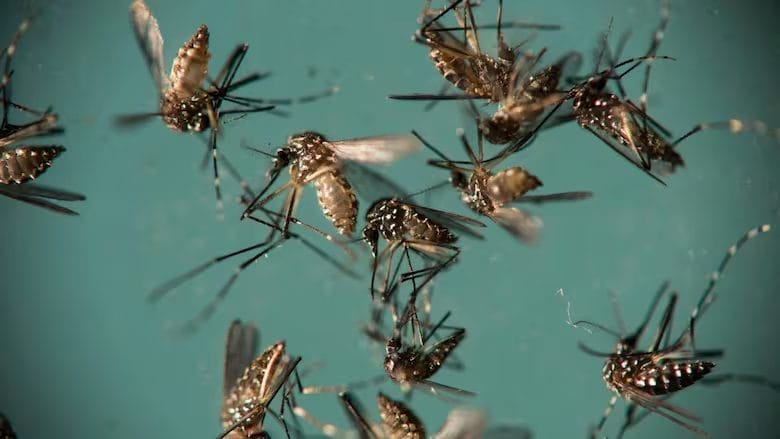
Chikungunya is a viral illness spread by infected female mosquitoes, particularly Aedes aegypti and Aedes albopictus. These are the same species known for transmitting Zika and dengue. The virus typically causes fever and intense joint pain, which may last for weeks or even months. Other symptoms include muscle pain, rash, headaches, and nausea.
The virus is not contagious between people. Instead, it spreads when a mosquito bites an infected individual and then bites someone else.
Symptoms and Risk Factors
Symptoms usually appear four to eight days after a bite. While most people recover, some—especially the elderly, newborns, and those with chronic conditions—can experience severe or long-term symptoms. Rare complications include neurological and heart issues.
The name “chikungunya” comes from a Tanzanian word that means “to become contorted,” describing the posture people adopt when experiencing severe joint pain.
How China is Responding
Authorities in Guangdong are aggressively fighting the outbreak. Measures include:
- Quarantining patients in hospitals until they test negative
- Conducting door-to-door checks for mosquito breeding grounds
- Spraying insecticides in public spaces, parks, and streets
- Releasing mosquito-eating fish and larger mosquitoes to control populations
- Using drones to locate stagnant water
- Enforcing fines of up to 10,000 yuan (approx. $1,400) for households that do not eliminate standing water
Some areas also implemented building entry disinfections and short-term quarantines, though these have now been relaxed.
International Impact and Travel Advisory
In response to the outbreak, Canada issued a Level 2 travel advisory, urging enhanced precautions when visiting China. The United States has advised against travel to Guangdong province altogether.
Health experts, including Canadian infectious disease specialists, stress that this outbreak is unlikely to spread to Canada. The Aedes mosquito species are not common in most parts of the country, though they have established small populations in southern Ontario.
Prevention Tips for Travelers

To reduce the risk of infection, travelers should:
- Wear long sleeves and pants
- Use mosquito repellents with DEET or other recommended ingredients
- Stay in accommodations with air conditioning or window screens
- Avoid areas with standing water
A vaccine called IXCHIQ is available in Canada but is not recommended for people over 65.
While the outbreak in China is serious, experts say the response has been swift and comprehensive. The risk for travelers remains manageable with proper precautions.
Have you ever experienced mosquito-borne illnesses during your travels? How do you stay protected? Share your tips below.
More…
- https://www.cbc.ca/news/world/chikungunya-virus-china-1.7601781
- https://www.thestar.com/news/world/asia/china-tackles-chikungunya-virus-outbreak-with-wide-range-of-measures-as-thousands-fall-ill/article_9d95af22-8442-5078-9245-306eb4b0b879.html
- https://www.nytimes.com/2025/08/05/world/asia/china-chikungunya-virus-mosquitoes-covid.html