
Aurora Borealis Expected to Be Visible Across Canada and U.S. This Week Due to Geomagnetic Storm
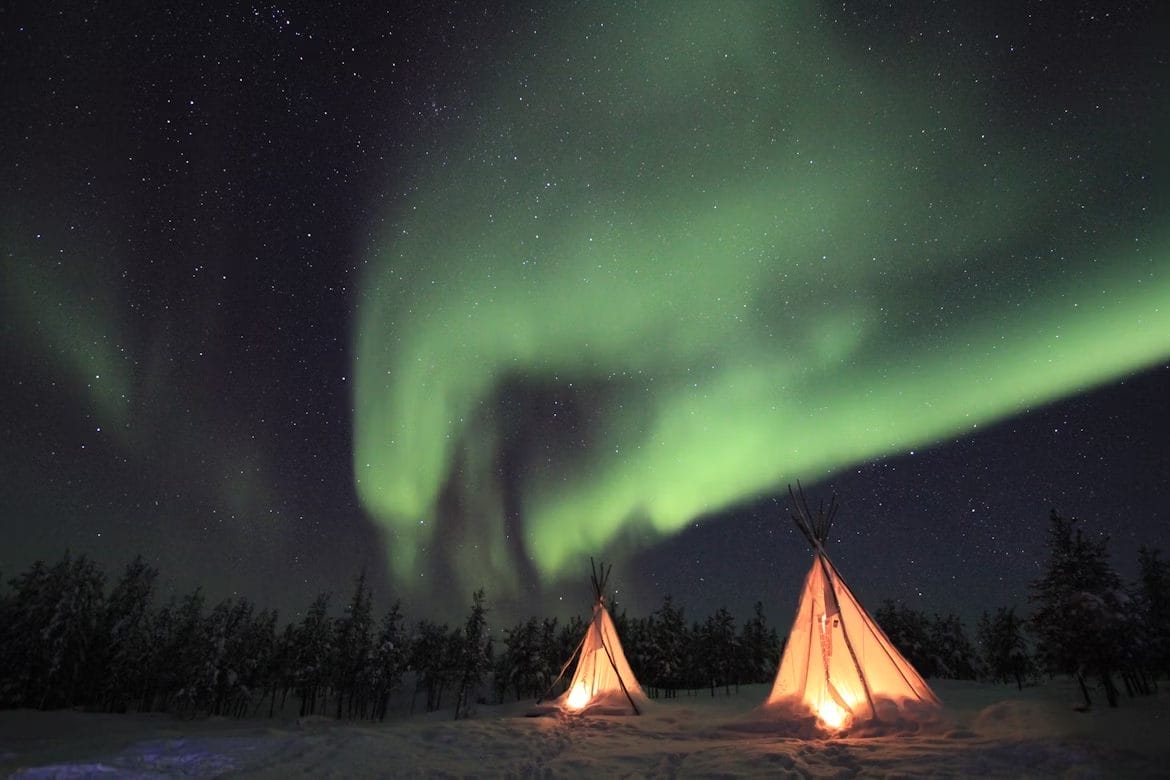
The aurora borealis—one of nature’s most mesmerizing light shows—is expected to be visible across much of Canada and even parts of the United States this week, thanks to a geomagnetic storm triggered by a coronal mass ejection (CME) from the sun.
What’s Happening?
According to the U.S. National Oceanic and Atmospheric Administration (NOAA), the CME first emerged on August 5, and the effects are expected to reach Earth later this week. As the charged solar particles interact with the Earth’s magnetosphere, they are creating favorable conditions for auroras to be visible farther south than usual.
This geomagnetic storm is rated as moderate to active on the NOAA’s geomagnetic activity index, with an expected peak of 6 out of 9 on August 7, making it a great opportunity to witness the northern lights.
Where Will the Northern Lights Be Visible?
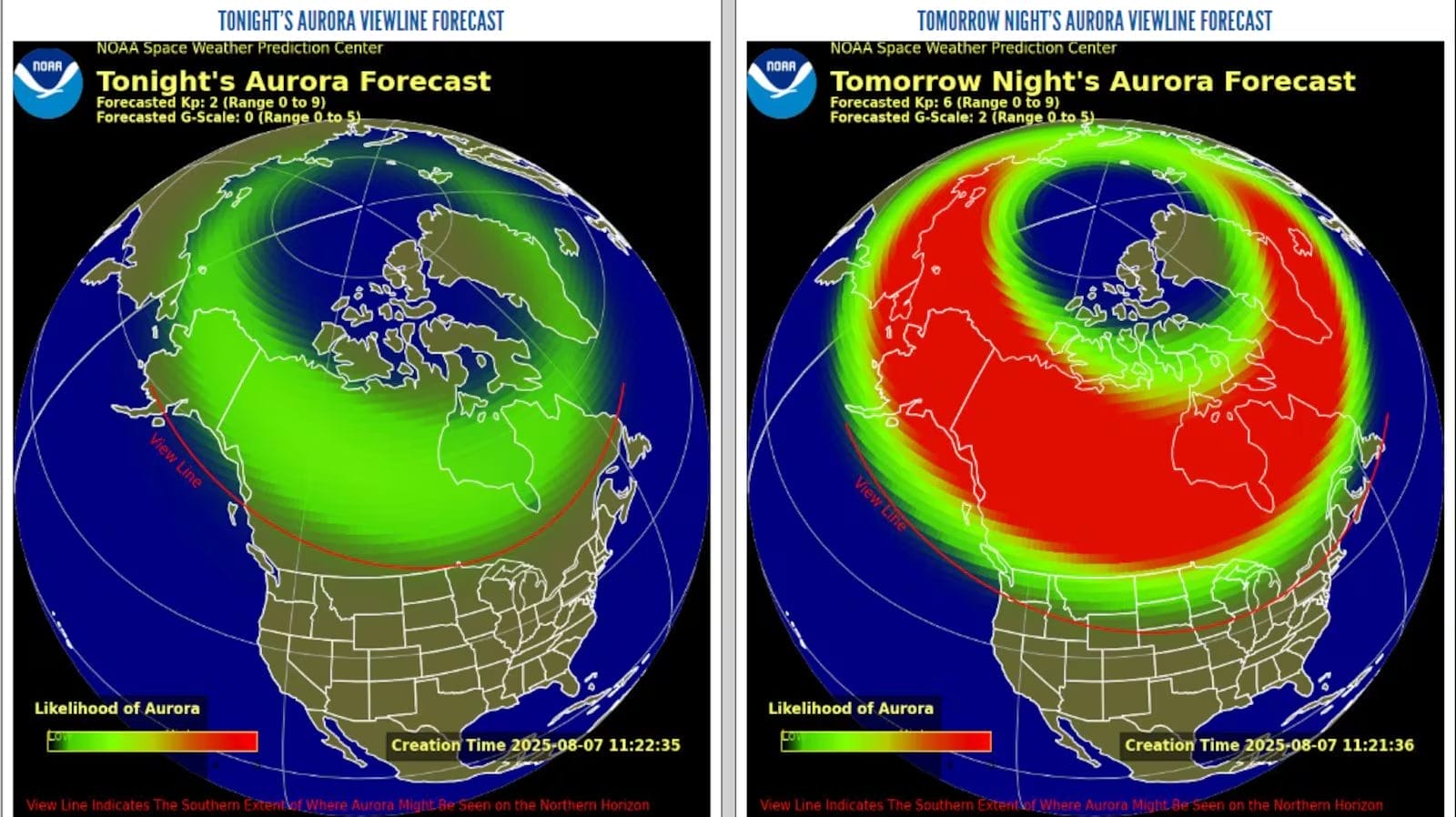
In Canada, auroras are expected to be visible across most of the country, except for the easternmost shores of Nova Scotia and Newfoundland, and some northern islands near Greenland. The Prairies, British Columbia, northern Ontario, Quebec, and Labrador have the highest chances of viewing the aurora this week.
In the U.S., the auroras are likely to be visible as far south as Montana, North Dakota, and Minnesota, with some reports of sightings in states like California, New York, and Vermont. The best viewing will be in dark areas away from city lights.
Why Are the Northern Lights More Visible Now?
The aurora borealis occurs when charged particles from the sun collide with Earth’s atmosphere, creating vibrant displays of green, red, and sometimes purple or blue light. These displays are most commonly seen in high-latitude regions near the Magnetic North Pole. However, geomagnetic storms—like the one currently occurring—intensify the auroras, making them visible at lower latitudes.
How to Watch the Northern Lights
If you’re hoping to catch a glimpse of this spectacular display:
- Best Time: Auroras are typically most visible between midnight and 2 a.m. local time, but it can vary depending on your location.
- Location: Find a spot away from light pollution, like a rural area or park facing north. Higher elevations can also offer better visibility.
- Weather: Clear skies are essential, as clouds will obstruct the view.
- Tracking the Storm: Use tools like the NOAA Aurora Forecast or aurora apps to track real-time activity and find the best time to step outside.
What Else to Know About the Geomagnetic Storm
While this event will likely bring breathtaking views of the northern lights, geomagnetic storms can also disrupt technology. Power grids, GPS systems, and even satellite communications may experience disturbances. However, NOAA describes the storm as “manageable,” with minimal risk of significant technological damage.
Additional Viewing Information
- Friday, August 8: The geomagnetic storm is expected to weaken to “minor”, but auroras will still be visible, albeit at a reduced intensity. The Kp index will drop to 5, still making for an exciting visual show.
- Aurora Photography: If you’re hoping to capture the northern lights, a long exposure setting on your camera or smartphone and a tripod are essential for clear photos.
Have you seen the northern lights before? If not, do you plan on catching this week’s show? Let us know your thoughts and where you’re hoping to view them!
More…


