How to Write a Standout Resume & Cover Letter for Your First Job
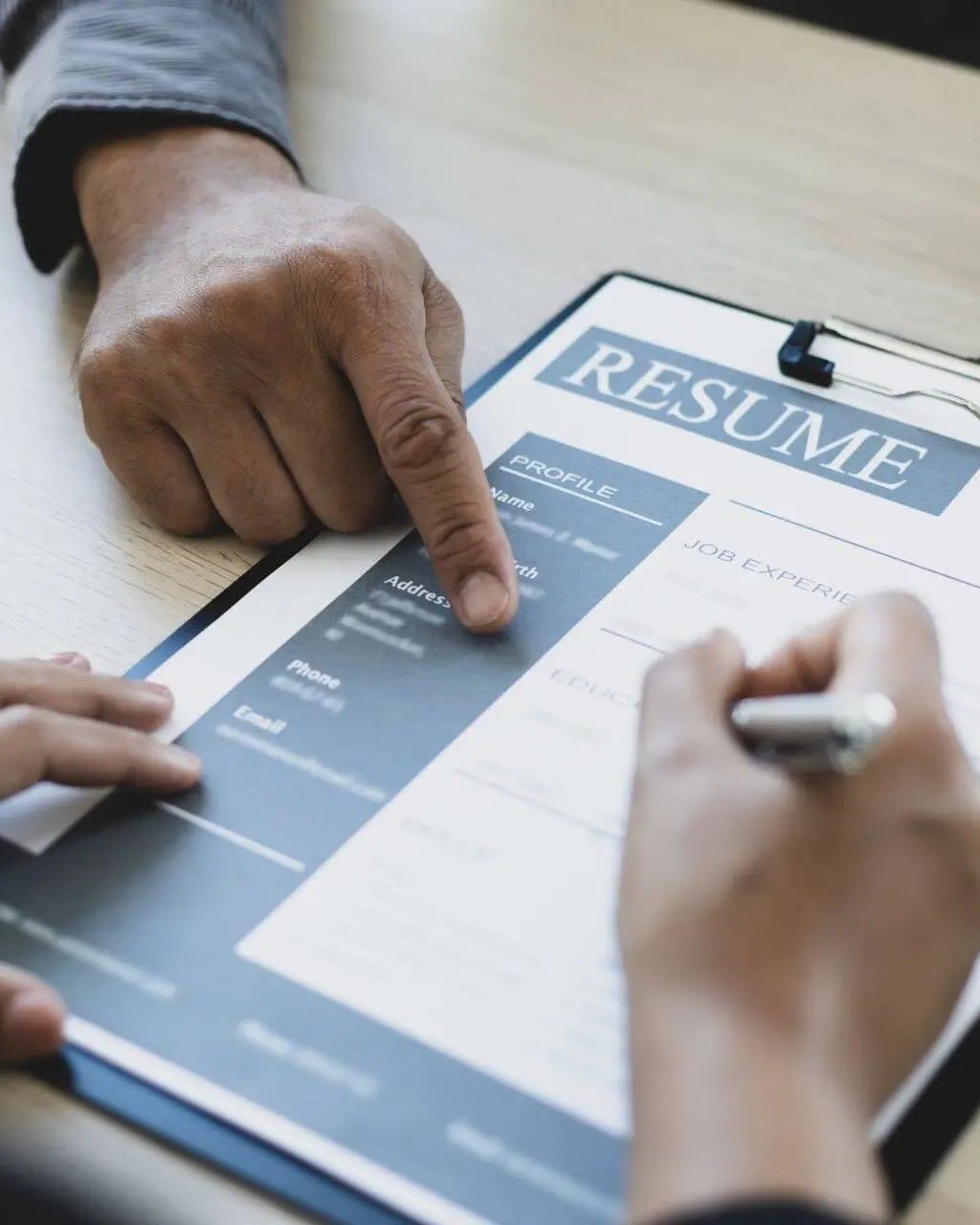
Starting your first job search can feel overwhelming, especially when you’re putting together your resume and cover letter for the first time. But with the right approach, you can create documents that show your potential, even if you don’t have much work experience yet. A great resume and cover letter for your first job should focus on your skills, education, volunteer work, and any projects you’ve worked on. By linking your experiences to the job you’re applying for and presenting everything clearly and professionally, you’ll make a strong first impression. This guide will help you step by step in creating a standout resume and cover letter that can help you land your first job.
How to Write a Standout Resume & Cover Letter for Your First Job:
Resume
Contact Information
Your resume header should include essential contact details, such as your name, phone number, and email address. The objective section should effectively introduce you to potential employers, showcasing three key strengths that align with the employer’s needs. It’s best to write this section last, after identifying the most relevant skills throughout your resume.
Education
For those entering the job market, the education section is often the strongest part of your resume. It typically comes after the header and objective. Highlight the aspects most relevant to the job or career you’re aiming for, showing your enthusiasm, willingness to learn, and ability to take on challenges. List your education in reverse chronological order, starting with your most recent or ongoing studies, even if you’re still working on it.
Volunteer Work:
Volunteering demonstrates your commitment and passion, qualities that recruiters highly value. Whether you’ve worked in a soup kitchen or helped with environmental cleanup, include it in your resume to showcase your dedication. List volunteering experience like internships or extracurriculars: start with “Volunteering Experience,” followed by the organization name, location, time period, and relevant tasks or achievements in bullet points.
Relevant Skills
Highlighting your key skills is crucial, particularly if you have limited work experience. Focus on abilities that align with the employer’s needs by showcasing the relevant skills you possess. Emphasize soft skills, as these are often valued as much as, or even more than, hard skills.
Some Important skills may include:
- Microsoft Office
- Other languages such as French
- Certifications
- Customer Service
- Problem Solving
- Time Management
Projects
In this section, include relevant projects you worked on during school or internships, such as your capstone project, thesis, or research. You can also list other academic projects like business tasks for real clients, web design mockups, market research, or software you developed. Additionally, personal projects or hobbies—like blogging, coding, or crafting—can showcase your passion, skills, and commitment, making them valuable for potential employers.
Formatting Tips
A functional resume emphasizes your skills over work history, making it ideal for those with limited or no formal experience. After choosing this format, take time to review and polish your resume. Follow these steps:
- Use reverse chronological order
- Include clear section headings
- Select professional fonts
- Keep text at 11-12 pt. and headers slightly larger
- Set one-inch margins
- Use single-line spacing
- Save as a PDF unless instructed otherwise
Cover Letter
Study the Job Description
The first step in writing a strong cover letter is to research the company you’re applying to. Review the organization’s values and culture on their website or social media to tailor your letter accordingly. Carefully read the job description, noting keywords that highlight the skills and qualifications the employer is seeking. As an entry-level candidate, match these keywords with your skills or education.
Contact Details:
Mastering the cover letter format is just as crucial as the content. Start with your name and contact information at the top right, making it easy for the recruiter to find if they want to interview you. Below that, include the hiring manager’s contact details before your opening paragraph.
Introduction
A cover letter is your first virtual interaction with the hiring manager, much like a face-to-face introduction. Start with a formal greeting, such as “Dear First and Last Name,” and avoid casual greetings like “Hi” or “Hey” to maintain professionalism. Begin the first paragraph by introducing yourself and stating the position you’re applying for.
A strong cover letter includes: an opening statement that introduces you, a main body highlighting relevant qualities and skills, and a closing paragraph requesting an interview.
Relevant Skills
Now it’s time to demonstrate that you’re ready for the position. When writing a cover letter with no work experience, focus on relevant skills and competencies, and explain how you developed them. If you lack formal experience, consider highlighting projects completed during school, courses, extracurriculars, community work, or even personal projects.
Mention educational experiences that prepared you for the job, and include any awards or achievements relevant to the position. For instance, if you were the president of an academic club, emphasize how this leadership role helped you build valuable skills.
Closing Statement
Close your cover letter by reaffirming your interest in the position and wrapping up with a professional sign-off. Use a friendly yet formal tone, and feel free to express your desire for an interview, but avoid overly casual phrases like “See you soon” or “Cheers.” In your closing paragraph, thank the reader, reiterate why you’re the right fit for the role, and include a clear call to action. You can say something like “You can reach me at…” or “Please email me here…” and provide your preferred contact details along with your availability to ensure they know when to reach out for an interview.
Avoid Mistakes
Make sure your cover letter is free of any grammatical, spelling, or punctuation errors. Even the most qualified candidates can be overlooked if their cover letter or resume contains mistakes. To avoid this, take the time to carefully review your writing before submitting it. Recruiters read numerous applications daily, so anything less than flawless could cost you the opportunity. Once you’re confident it’s professional and complete, submit it for consideration.
More:
- https://ca.indeed.com/career-advice/resumes-cover-letters/writing-a-resume-with-no-experience
- https://novoresume.com/career-blog/resume-advice-for-students-with-no-experience
- https://www.reddit.com/r/resumes/comments/1cmql4j/how_do_i_make_a_resume_with_no_work_experience/
- https://ca.indeed.com/career-advice/resumes-cover-letters/cover-letter-with-no-experience
- https://www.themuse.com/advice/how-to-write-a-cover-letter-with-no-experience
- https://www.overheretoronto.com/best-february-birthday-ideas-in-toronto/