Trump’s Tariff Policies: What They Mean for Canada and Key Dates to Watch
U.S. President Donald Trump has made conflicting statements about tariffs, leaving many uncertain about what will happen next. Over the past few weeks, he has announced, delayed, and reintroduced tariffs on Canada, Mexico, and other trade partners. These shifting tariff policies create uncertainty, especially for businesses that depend on stable trade relationships.
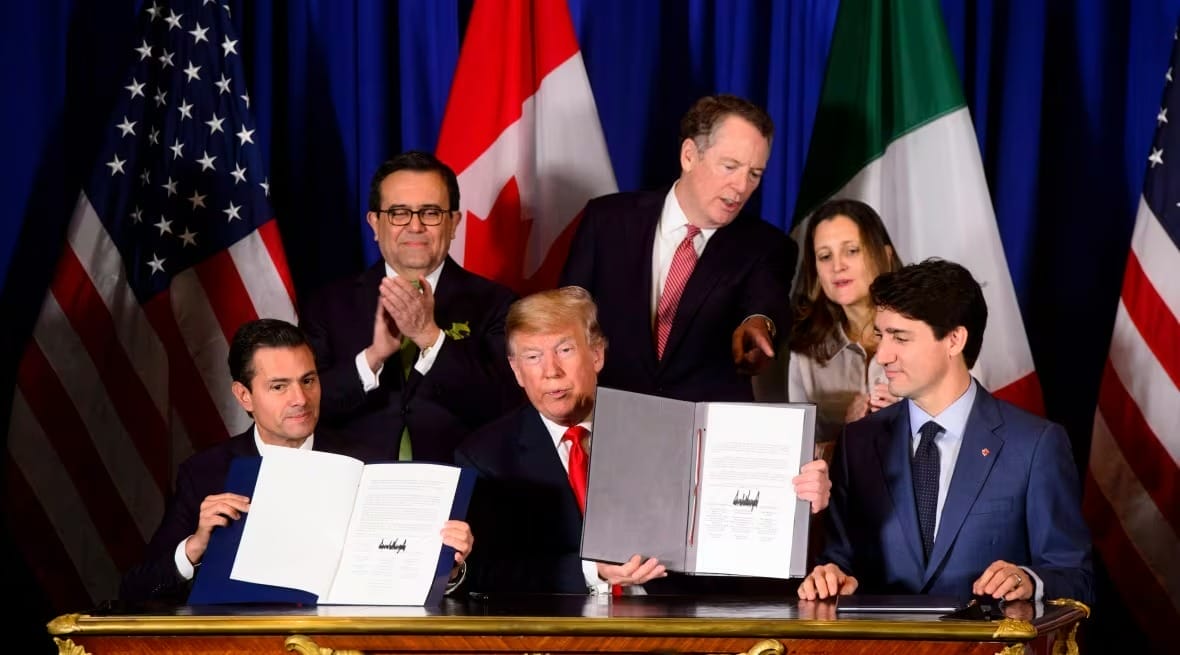
For Canada, the stakes are high. A potential 25% tariff on imports could cause significant economic damage. Several key dates will shape the coming months, with decisions on steel, aluminum, and other goods expected soon.
March 4: The Broad Tariff Threat
Trump has proposed a 25% tariff on nearly all Canadian exports, along with a smaller tax on oil. If this happens, experts warn of a severe economic impact on Canada. Gary Hufbauer, a trade expert, estimates a 3% drop in the economy, which could trigger a recession.
Despite these concerns, Trump has delayed this tariff multiple times. The initial deadlines of January 20, February 1, and February 4 all passed without action. The current deadline is March 4, but there is speculation that he may delay it again.
Commerce Secretary Howard Lutnick has praised Canada’s recent border security measures, suggesting that progress has been made. However, predictions vary on whether Trump will proceed with the tariffs.
- William Reinsch, a former U.S. trade official, expects further delays. He believes Trump will use the tariff as a bargaining tool rather than implement it immediately.
- Hufbauer predicts a smaller tariff will be introduced instead of the full 25%, potentially as a way to maintain leverage in trade negotiations.
- Dan Ujczo, a Canada-U.S. trade expert, sees multiple possibilities, including another delay, a gradual increase, or a temporary tariff with an expiration date.
March 12: Steel and Aluminum Tariffs
Trump has also promised a 25% tariff on all steel and aluminum imports, which would significantly affect Canada. These metals are crucial to industries such as automobile manufacturing and construction, making this decision highly consequential.
Experts believe these tariffs are more likely to proceed than the broader March 4 tariffs.
- William Reinsch warns that Canada will be the primary target of these tariffs.
- Hufbauer believes these policies are not just negotiating tactics but part of a long-term strategy to shift manufacturing back to the U.S.
- Dan Ujczo is particularly concerned about how these tariffs will be enforced, as they could extend beyond steel and aluminum to include car parts and construction materials.
Although some experts hope for another delay, no clear signs suggest that Trump will back down on these tariffs.
April 1 and Beyond: Expanding Tariffs and Trade Tactics
Trump has ordered his administration to review U.S. trade deficits and unfair practices by April 1. This could lead to further tariffs in the months ahead.
Some of the measures being considered include:
- A global minimum tariff on all imports
- Targeted tariffs on specific industries
- Retaliatory tariffs on digital services, auto parts, semiconductors, and pharmaceuticals
Canada is also mentioned in Trump’s executive order on reciprocal tariffs. The U.S. is examining Canada’s digital services tax and the Goods and Services Tax (GST) as potential reasons for further tariffs.
Democratic Senator Ron Wyden recently listed these threats in a speech, highlighting that more tariffs on industries like lumber could be coming soon.
Trump’s Endgame: Renegotiating the Canada-U.S.-Mexico Agreement
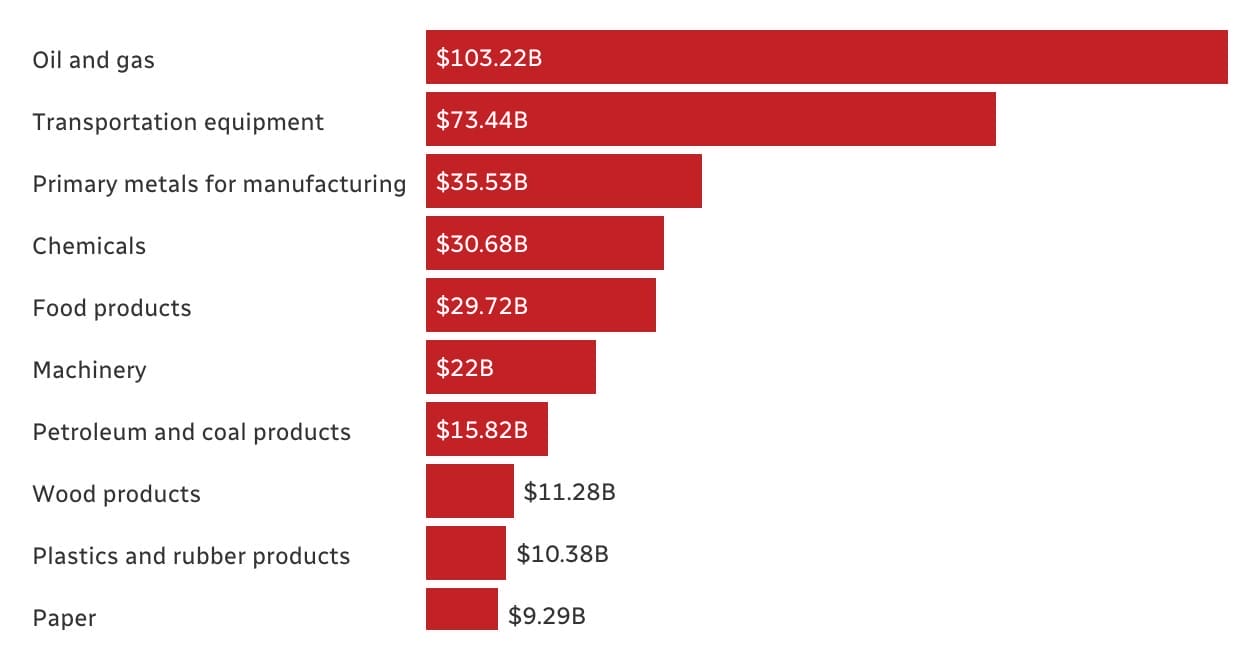
Trump’s ultimate goal may be to renegotiate the Canada-U.S.-Mexico Agreement (CUSMA). Although official talks are not required until next year, experts believe Trump wants to start negotiations this spring.
His demands could include:
- Increased access to Canada’s dairy market
- Adjustments to Canada’s digital trade policies
- Changes in automobile trade rules
If Trump does not get the concessions he wants, he may threaten to withdraw the U.S. from the agreement, forcing Canada and Mexico to make tough choices.
What Happens Next?
The coming months will bring a mix of tariff threats, delays, and economic uncertainty. Businesses in Canada should prepare for potential disruptions while watching for further developments.
As trade expert Dan Ujczo explains, Canada has often relied on waiting out U.S. policies, but this time may be different. Trump’s administration is likely to act quickly, making 2025 a critical year for North American trade relations.
Key Takeaways
- March 4: A possible 25% tariff on Canadian imports, though delays are expected.
- March 12: A likely 25% tariff on steel and aluminum, with significant industry impact.
- April 1 and beyond: The U.S. may introduce additional tariffs on various industries, targeting Canada in key sectors.
- Spring 2025: Trump is expected to push for early renegotiation of the Canada-U.S.-Mexico Agreement.
The uncertainty surrounding Trump’s tariff threats has already affected businesses. The next few months will determine how much economic pressure Canada faces and whether the U.S. follows through on these plans.
More…