Daylight Savings Canada 2026: When to Change Your Clocks and the Latest Push to End It
Are you ready to lose an hour of sleep but gain beautiful bright evenings? The annual clock change sits right around the corner. You wake up feeling groggy and quickly realize your microwave displays the wrong time. Preparing for daylight savings Canada 2026 does not have to cause a massive headache.
This guide breaks down exactly when you need to adjust your clocks. We also explore the fascinating history behind this century-old tradition and share practical tips to protect your circadian rhythm.
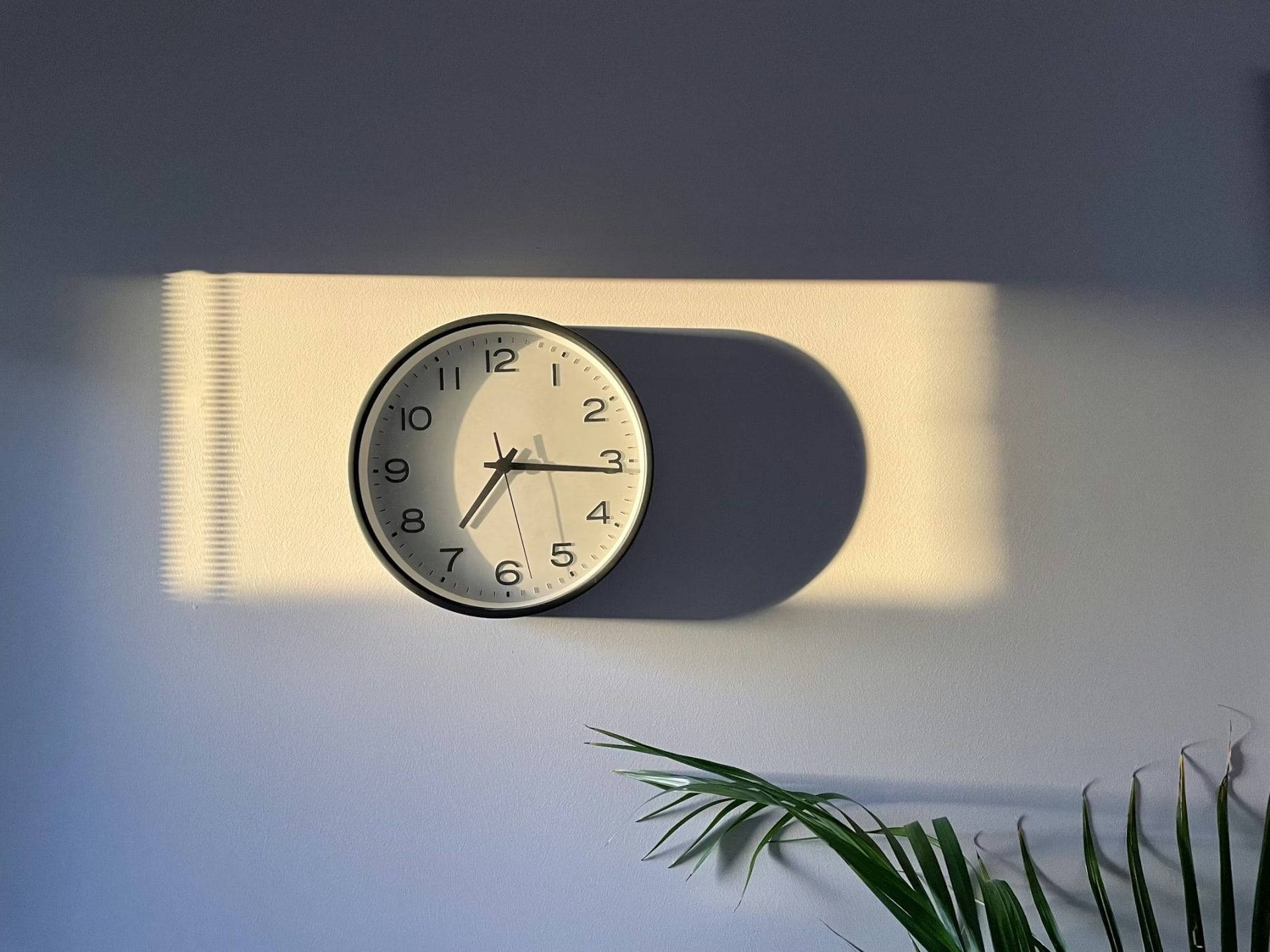
Mark Your Calendar: When to Spring Forward
Get ready to adjust your schedules.
For most Canadians, the official time jump happens on Sunday, March 8, 2026, at exactly 2:00 a.m. local time. At that precise moment, the clocks skip ahead one full hour to 3:00 a.m.
This shift means you will definitely lose an hour of precious sleep that weekend. However, you also unlock those glorious extended daylight hours during the upcoming spring and summer evenings. Sunrise and sunset simply happen about one hour later starting on March 8.
Smartphones, smartwatches, and internet-connected devices automatically handle this transition for you. You do not need to lift a finger for those gadgets.
A Quick Weekend Tip for Manual Clocks
Do you still rely on a classic wall clock, a vintage wristwatch, or an old-school oven timer?
Make sure you set those manual hands forward by one hour before your head hits the pillow on Saturday, March 7. Taking this simple step prevents you from showing up late to your Sunday brunch plans!
Who Actually Ignores the Time Change?
Not everyone across the country plays along with this biannual tradition. Several regions permanently stay on standard time and skip the hassle entirely.
If you live in Yukon or most of Saskatchewan, you never touch your clocks. Certain pockets of British Columbia, Ontario, Quebec, and Nunavut also ignore the spring forward completely. Residents in these lucky areas enjoy consistent schedules all year round.
The Surprising History Behind the Shift
Have you ever wondered who came up with this idea in the first place? You can point your finger at a New Zealand entomologist named George Hudson. Back in 1895, Hudson pitched the concept simply because he wanted extra daylight hours to hunt for bugs in the evening!
Later on, countries adopted the practice during the First World War to conserve valuable energy. By shifting work schedules, factories avoided turning on incandescent lights until the very end of the work shift.
According to an informative report on the proposed Canadian time change bill, Thunder Bay actually became the first municipality in the world to implement the custom back in 1908.
Today, modern energy-saving LED bulbs make that original argument pretty irrelevant. We no longer need the time shift to lower our power bills.
Experts Weigh In on Energy Savings
Psychology experts point out that the original purpose completely misses the mark for modern living. We sacrifice our natural sleep cycles for a lighting issue that technology solved decades ago.
How the Clock Change Affects Your Body
Health professionals strongly dislike this twice-a-year disruption. Shifting your schedule suddenly throws your internal body clock totally out of sync.
Experts call this internal timer your circadian rhythm. When you force your body to wake up an hour earlier, you basically give yourself a mini case of jet lag. A clinical psychologist recently explained the negative impacts of DST to Global News, noting that people lose close to an hour of sleep due to the stimulant effect of later evening light.
The health risks go beyond simple tiredness. Sleep researchers link the March time transition to serious medical issues. A massive 2019 report in the Journal of Clinical Medicine analyzed over 100,000 participants and found an alarming spike in heart attacks right after the spring switch.
Similarly, a nationwide study in Finland highlighted an increase in stroke-related hospitalizations during the first two days of the time change. The Canadian Sleep Research Consortium also notes these seasonal jumps connect to higher risks of obesity, inflammation, and fatal traffic accidents.
Tips to Protect Your Sleep Schedule
You can easily minimize the shock to your system. Start going to bed 15 minutes earlier each night leading up to March 8. Limit your screen time an hour before sleep, and try to get outside for some natural morning sunlight. That morning light works wonders for resetting your physical and mental equilibrium.
Will Politicians Finally Pull the Plug?
People complain about the time change every single year. So, will the government ever just cancel it?
Politicians certainly hear the public outcry. Liberal MP Marie-France Lalonde currently pushes Bill C-248 to stop the annoying biannual switch. She wants to gather provincial leaders and Indigenous partners to establish one permanent set time across the entire country.
The real hurdle comes down to regional coordination. Time regulation falls strictly under provincial and territorial control. Ontario passed a law in 2020 to stay on daylight time permanently. However, Ontario leaders refuse to trigger the change until neighboring Quebec and New York state do the exact same thing.
British Columbia faces a very similar waiting game. BC lawmakers passed legislation back in 2019 to scrap the time change. They currently wait for West Coast American states to make the first move.
Interestingly, BC Premier David Eby recently pondered moving forward independently as the province grows more economically self-reliant. Furthermore, politicians south of the border actively debate the issue, with recent federal pushes aiming to eliminate daylight saving time completely.
Meanwhile, Alberta actually held a public referendum on the issue in 2021. Surprisingly, just over half of the voters decided they wanted to keep the current system.
For now, the debate rages on. Until lawmakers finalize a universal agreement, Canadians must continue to spring forward and fall back. Get your coffee ready for Monday, March 9!
You Might Also Like: