
Elon Musk Exits Trump Administration, Says DOGE Mission Will Continue
Elon Musk has officially stepped down from his role as a Special Government Employee under the Trump administration, ending a controversial chapter marked by mass federal layoffs and sharp spending cuts.
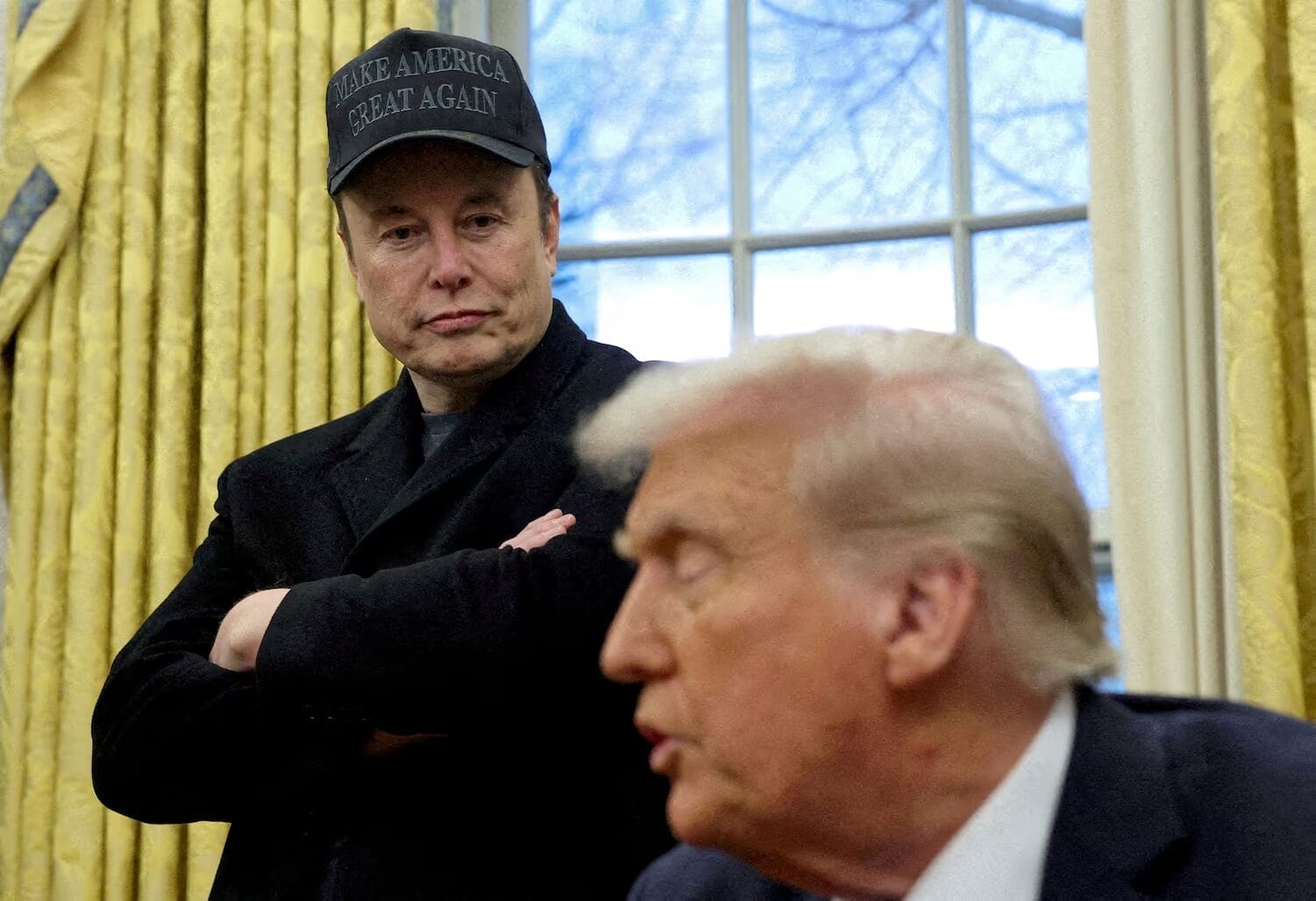
His exit, announced on May 28, comes just one day after he criticized Trump’s legislative centerpiece, the so-called “Big Beautiful Bill”, for increasing the federal deficit—a move he says undermines the goals of the Department of Government Efficiency (DOGE), the office he helped create and lead.
Musk’s Temporary Role, Permanent Impact
Musk’s appointment to the government was always temporary—he was authorized to work up to 130 days per year. During that time, he spearheaded the DOGE initiative, aiming to slash what he labeled as “wasteful spending” from federal agencies.
His initial goal: cut $2 trillion from the budget. That target later dropped to $150 billion.
“The @DOGE mission will only strengthen over time as it becomes a way of life throughout the government,” Musk posted on X.
So far, around 260,000 federal workers have been laid off or taken buyouts under DOGE. But the cuts weren’t without chaos—several lawsuits have emerged, and federal judges have reinstated some employees, including those in nuclear programs who were mistakenly let go.
Fallout from “Big, Beautiful Bill”
Musk’s departure follows a CBS interview where he slammed Trump’s new budget bill, which includes large tax cuts and defense spending boosts.
“I think a bill can be big or it can be beautiful. But I don’t know if it can be both,” Musk said.
Musk warned the bill would increase deficits by trillions, making DOGE’s mission look hollow. His criticism has fractured his once-solid relationship with Trump, though the president still referred to him as “a truly great American.”
A Bumpy Ride in Washington
Despite early enthusiasm, Musk often appeared frustrated with Washington’s bureaucracy and political infighting.
“It’s an uphill battle trying to improve things in D.C., to say the least,” Musk told The Washington Post.
DOGE’s approach drew protests and backlash. Critics accused Musk of using the agency to advance libertarian ideals at the expense of stability, especially as Tesla’s sales dropped 13% in Q1 and its stock tumbled.
Musk himself acknowledged the pressure, saying DOGE had become a scapegoat for broader government dysfunction.
What’s Next for DOGE—and Musk?

Though he’s stepping down, Musk insists DOGE will live on, saying the initiative must become “a way of life.” House Speaker Mike Johnson echoed support, promising Congress will act on DOGE’s findings.
The White House is now sending $9.4 billion in spending rescissions to Congress, including cuts to public broadcasting and foreign aid—moves inspired by Musk’s framework.
Meanwhile, Musk told reporters he plans to focus fully on Tesla and SpaceX, and scale back political donations after spending nearly $300 million backing Trump and Republican candidates last year.
A Complicated Legacy
Musk’s influence on U.S. governance was brief but disruptive. He mobilized layoffs, reshaped budget conversations, and challenged the very system he tried to reform.
Whether DOGE thrives or flounders without him remains to be seen. But as Musk steps away, he leaves behind a system in flux—and a country still debating whether radical efficiency is the cure or the crisis.
Do you think Elon Musk’s time in government helped or hurt the push for fiscal reform? Should tech leaders play a role in U.S. politics?
More…



Adios, Musk. History will prove your idiocy.
Go back to South Africa and maybe start farming.