NASA Astronauts to Return Early from ISS Due to Medical Concern: What We Know
For the first time in the 25-year history of the International Space Station (ISS), NASA astronauts and their international crewmates are cutting a mission short due to a medical issue. NASA confirmed on Thursday that Crew-11 will return to Earth days ahead of schedule to prioritize the health of a crew member.
This unprecedented move highlights the delicate balance of human spaceflight—where crew safety always trumps mission timelines. Here is a breakdown of the situation, the science behind space medicine, and what this means for operations in orbit.
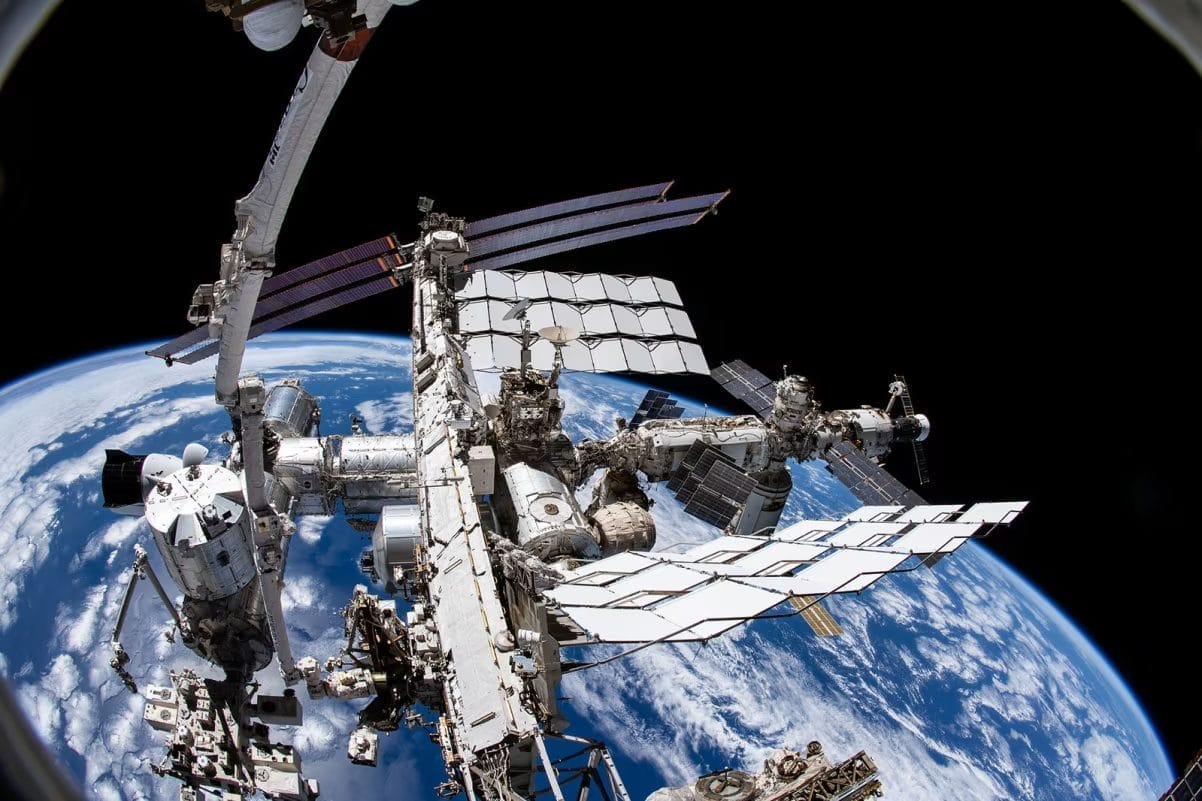
The Situation: Why Crew-11 is Coming Home Early
NASA Administrator Jared Isaacman announced that the four-person Crew-11 team will undock and splash down within days, rather than next month as originally planned. The decision follows a “serious medical condition” affecting one of the astronauts.
While officials have kept the specific crew member’s identity and condition private, they confirmed the individual is stable. This isn’t an emergency evacuation requiring an immediate “lifeboat” escape, but rather a calculated decision to seek better care.
Dr. James Polk, NASA’s chief health and medical officer, put it clearly: the ISS has a robust pharmacy and medical suite, but it isn’t a hospital. “We don’t have the complete amount of hardware that I would have in the emergency department… to complete a workup of a patient,” Polk explained. “The best way to complete that workup is on the ground.”
Advertisement
Who is returning?
The Crew-11 team launched last August aboard a SpaceX Crew Dragon. The returning members include:
- Zena Cardman (NASA Commander)
- Mike Fincke (NASA Pilot)
- Kimiya Yui (JAXA Mission Specialist)
- Oleg Platonov (Roscosmos Mission Specialist)
The Challenges of Medicine in Microgravity
You might wonder why a stable condition forces a full crew return. Space medicine is incredibly complex. Treating a patient 250 miles above Earth removes the luxury of MRI machines, specialized specialists, and real-time surgery.
Dr. Farhan Asrar, a space medicine researcher, notes that the extreme environment puts significant strain on the heart, kidneys, and eyes. Even common ailments can turn into “difficult medical conundrums” when isolated in orbit.
NASA doctors (flight surgeons) monitor NASA astronauts remotely, acting like a secure telehealth service. However, when a diagnosis requires equipment that doesn’t exist on the station, the safest option is gravity.
Advertisement
Immediate Impact on ISS Operations
The early departure triggers a ripple effect on the station’s schedule.
1. Cancelled Spacewalks
NASA abruptly cancelled a spacewalk scheduled for this week. Cardman and Fincke were set to venture outside to prepare for new solar array installations. That critical maintenance is now on hold.
2. A Skeleton Crew
Once Crew-11 departs, the football-field-sized station will be left with only three occupants: NASA’s Chris Williams and Roscosmos cosmonauts Sergei Mikaev and Sergei Kud-Sverchkov.
Dr. Simeon Barber, a space scientist, suggests the remaining trio will have to prioritize “housekeeping” over science. “The space station is a big, complex feat of engineering… it’s designed to be operated by a certain minimum level of crew,” Barber said. We can expect a temporary reduction in experimental output until staffing levels return to normal.
3. Expediting Crew-12
To fill the gap, NASA is looking to expedite the launch of Crew-12. Originally slated for mid-February, the agency is assessing how quickly they can safely get the next rotation of NASA astronauts to the lab to restore full operational capability.
A Historical Shift in Protocol
This event marks a shift in how NASA handles medical contingencies. Since the ISS began continuous habitation in 2000, no full crew has ever been brought home early for a medical reason.
Past incidents, such as blood clots (treated remotely) or space adaptation syndrome, were managed on board. Even recently, a Crew-8 member was hospitalized upon return to Florida, but that issue didn’t cut the mission itself short. This decision sets a precedent: NASA is willing to sacrifice mission duration to ensure a crew member gets hospital-grade evaluation.
Safety First
Spaceflight is often romanticized, but the human body remains the most fragile system on the ship. Bringing Crew-11 home early proves that even as we push further into the cosmos, the well-being of our explorers remains the absolute limit.
We will continue to update this story as NASA releases the return timeline in the coming 48 hours.
Related Reads:
- Astronaut’s ‘serious medical condition’ forces Nasa to end space station mission early
- NASA curtails space station mission after astronaut medical issue
- NASA crew to make rare early return after medical issue at ISS
- Ottawa and Gatineau Residents Claim Top Prizes in 2025 CHEO Dream of a Lifetime Lottery
Advertisement