Ontario Budget 2025: $232.5B War Chest to Tackle U.S. Tariffs and Boost Economy
Ontario has unveiled its $232.5 billion budget for 2025, focusing on protecting the province’s economy from U.S. tariffs and stimulating long-term growth.
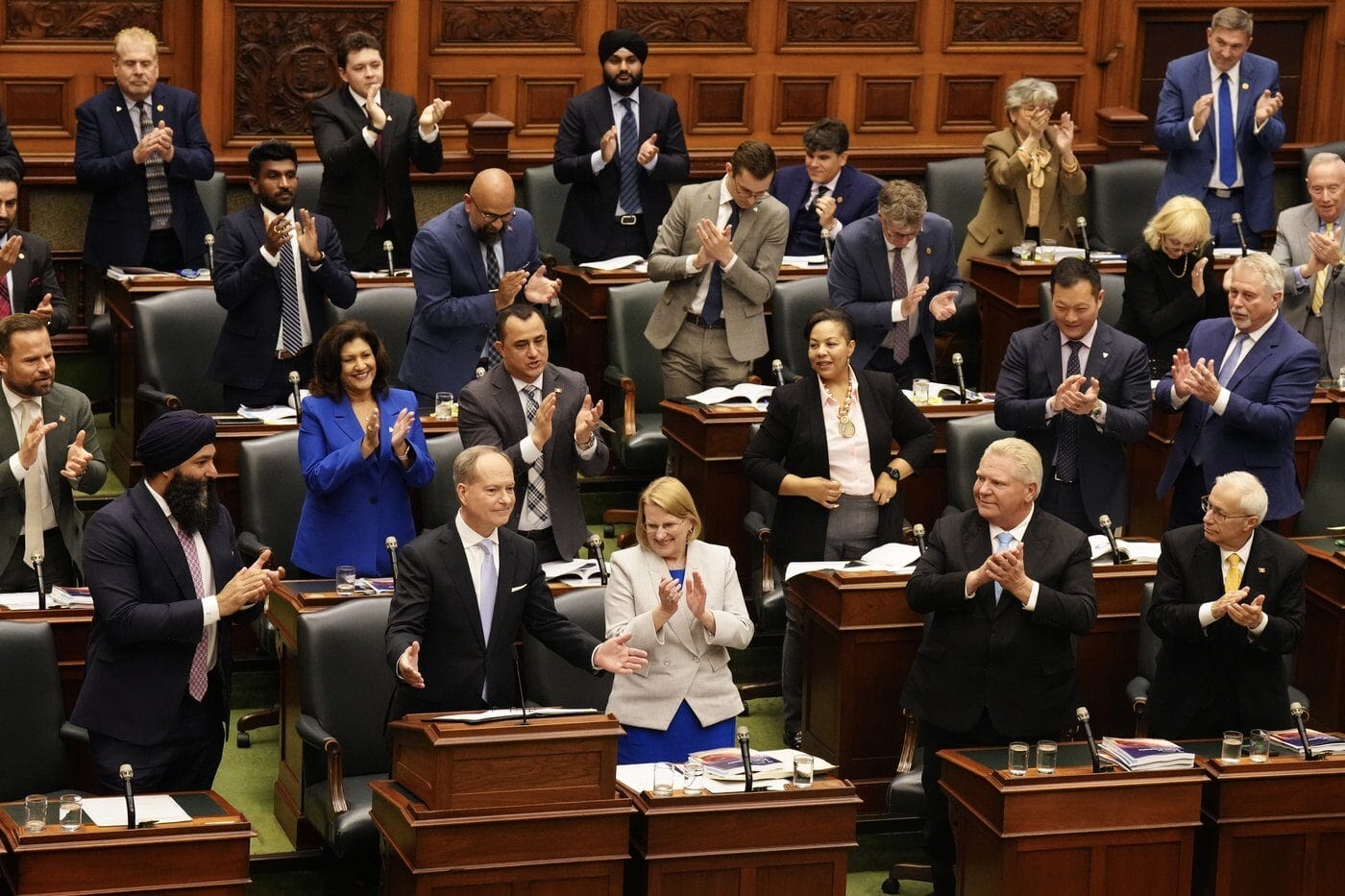
Finance Minister Peter Bethlenfalvy emphasized that Ontario must act decisively to prevent an economic downturn. He compared the situation to the COVID-19 crisis, where proactive spending helped stabilize the economy.
Key Budget Highlights: Spending to Protect and Build
The budget allocates significant funds to shield businesses and workers from the impact of tariffs:
- $5 billion for the Protecting Ontario Fund, offering emergency support to affected businesses.
- $20 million for worker retraining and transition programs.
- $2.5 million into skills development.
- $40 million to diversify supply chains.
- $50 million Ontario Together Trade Fund to help industries find new markets.
- $500 million Critical Minerals Processing Fund to boost local processing.
- $1 billion to expand the Skills Development Fund.
- $600 million for business expansion and relocation incentives.
- $200 million shipbuilding grant program.
- $5 billion Building Ontario Fund for housing, long-term care, and energy projects.
- $3 billion for Indigenous community infrastructure.
Why This Budget Matters Now
U.S. tariffs, imposed by President Donald Trump’s administration, have raised serious concerns for Ontario’s trade-reliant industries—especially auto, steel, and critical minerals.
Bethlenfalvy said Ontario is taking a “wartime effort” approach, building a financial “war chest” to help businesses pivot, protect jobs, and diversify.
Local leaders, like Sault Ste. Marie Mayor Matthew Shoemaker, praised the budget’s proactive measures. He highlighted how unpredictable U.S. policy changes demand financial flexibility for Ontario communities.
Concerns About Deficits and Priorities
Despite its focus on economic protection, the budget projects a $14.6 billion deficit this year, a sharp increase from last year’s $4.6 billion estimate.
Critics, including the NDP and Green Party, argue the budget neglects vital areas like healthcare, education, and affordable housing.
Ontario’s net debt now exceeds $460 billion, with the net debt-to-GDP ratio expected to rise to 37.9% this year and 38.9% by 2026-27.
A Strategy for Long-Term Stability
Bethlenfalvy defended the spending, calling it essential to “fortify and immunize Ontario’s economy.” He acknowledged the challenges but insisted the plan is forward-looking, ensuring Ontario emerges stronger.
Economic forecasts predict slow GDP growth of just 0.8% in 2025, with unemployment rising to 7.6%.
While some see this as a risky path, business leaders like Sault Chamber of Commerce President Jason Naccarato believe Ontario is making the right moves to weather the storm.
What’s Next?
With U.S. tariffs expected to linger, this budget aims to give Ontario the tools to adapt quickly. The success of these measures will depend on how effectively industries and communities can pivot in response.
Do you think Ontario’s “war chest” approach is the right way to handle the U.S. tariffs? Share your thoughts in the comments below.
More…