Trump Issues New Travel Ban for 19 Countries: Full Restrictions and What Travelers Need to Know
In a move echoing his first term in office, President Donald Trump signed a new travel ban on Wednesday, June 4, 2025, which will restrict or prohibit entry to the United States from 12 countries and impose additional restrictions on seven others. This policy is set to take effect at 12:01 a.m. ET on Monday, June 9, 2025, and targets national security concerns such as visa overstays and deficiencies in screening and vetting procedures.

Which Countries Are Affected?
The travel ban places full restrictions on nationals from the following 12 countries:
- Afghanistan
- Myanmar (Burma)
- Chad
- Republic of the Congo
- Equatorial Guinea
- Eritrea
- Haiti
- Iran
- Libya
- Somalia
- Sudan
- Yemen
Additionally, partial restrictions are imposed on nationals from:
- Burundi
- Cuba
- Laos
- Sierra Leone
- Togo
- Turkmenistan
- Venezuela
What Does This Mean for Travelers?
Travelers from the fully banned countries will be denied entry into the U.S. after the ban takes effect. Those from partially restricted countries may face extra scrutiny, delays, or denial based on their visa type and the purpose of their visit.
Travelers who have already purchased tickets to the U.S. should consult with airlines and the nearest U.S. embassy or consulate for the latest guidance on their specific situation. While some exceptions may apply, particularly for individuals with existing visas or lawful permanent residency, the policy will affect those seeking tourism, work, or student visas.
Exceptions and Exemptions
The ban does not apply to:
- Lawful permanent residents of the U.S.
- Individuals with current valid visas
- Certain visa categories or individuals whose entry serves U.S. national interests, though these exceptions are not clearly outlined.
What’s Behind the Ban?
Trump’s administration cited national security concerns, including high visa overstay rates and countries that are deficient in screening processes. The ban includes Haiti for the first time, citing high overstay rates and political instability within the country, which has seen a surge in gang violence.
In a video message, Trump emphasized the need to act to protect U.S. national security and argued that the ban was necessary following recent events, including a terror attack in Colorado linked to a foreign national who had overstayed a visa.
What Happens to Travelers Already in the U.S.?
Travelers currently in the U.S. may be able to renew their visas, but re-entry could be complicated for those affected by the ban. Those planning to return home or travel from one of the banned or restricted countries should seek guidance from immigration attorneys and U.S. consulates to understand the specific requirements.
Controversy and Legal Challenges
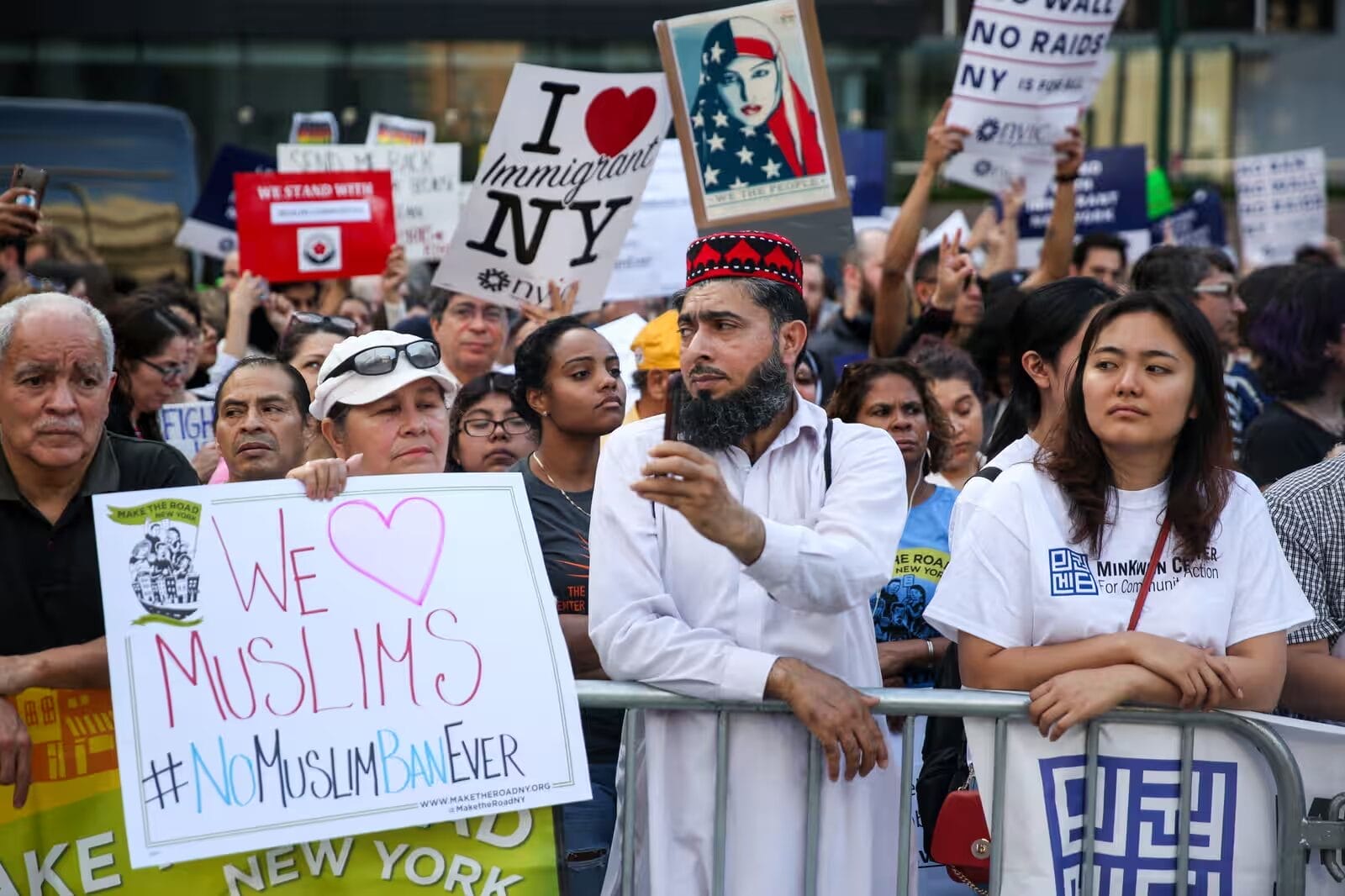
The new travel ban has faced criticism from various civil rights groups and Democratic leaders, who argue that the policy discriminates against individuals based on their nationality and has adverse impacts on immigrant communities, especially from countries like Haiti, Cuba, and Venezuela, which have large diaspora communities in the U.S.
In a statement, Pramila Jayapal, a Democratic Representative from Washington, condemned the ban, calling it harmful to U.S. communities that rely on immigrants’ contributions.
What are your thoughts on the new travel ban? Do you think it will have a significant impact on U.S. immigration policies? Let us know in the comments.
More…
- https://www.bbc.com/news/live/cvgqwyxxpzgt
- https://www.whitehouse.gov/presidential-actions/2025/06/restricting-the-entry-of-foreign-nationals-to-protect-the-united-states-from-foreign-terrorists-and-other-national-security-and-public-safety-threats
- https://www.theguardian.com/us-news/2025/jun/04/trump-proclamation-travel-ban
- https://www.overheretoronto.com/trump-to-canada-pay-61b-for-golden-dome-or-join-u-s-as-51st-state