
FIFA World Cup 2026: Will the U.S. Host Be Welcoming to All?
The FIFA World Cup is a global event like no other, and in 2026, the United States will co-host the prestigious tournament alongside Canada and Mexico. But as excitement builds, a looming question arises: will the world want to come — or even be able to?
Concerns Over U.S. Immigration Policies
Human rights organizations, including Human Rights Watch and Amnesty International, have raised significant concerns about the potential impact of U.S. immigration policies on fans traveling for the event. With a backdrop of strict border controls, increased visa restrictions, and the Trump administration’s controversial stance on immigration, many fear that international visitors could face difficulties or even detention while attending the tournament.
Human Rights Watch has been vocal, urging FIFA to act and align the World Cup’s spirit of inclusion with the current political climate in the U.S. According to the organization, the policies in place — such as arbitrary detentions, travel bans, and discrimination against religious and ethnic minorities — could create a hostile environment for international fans.
Political Climate and Travel Restrictions
In addition to the humanitarian concerns, practical barriers exist. For instance, the recent U.S. travel ban now includes countries like Iran, which has already qualified for the tournament. While athletes and coaches have received exemptions, it remains unclear if fans will be able to attend without facing additional barriers. The situation is further complicated by reports of routine harassment at the border, particularly targeting people of color, LGBTQ+ individuals, and those from Muslim-majority countries.
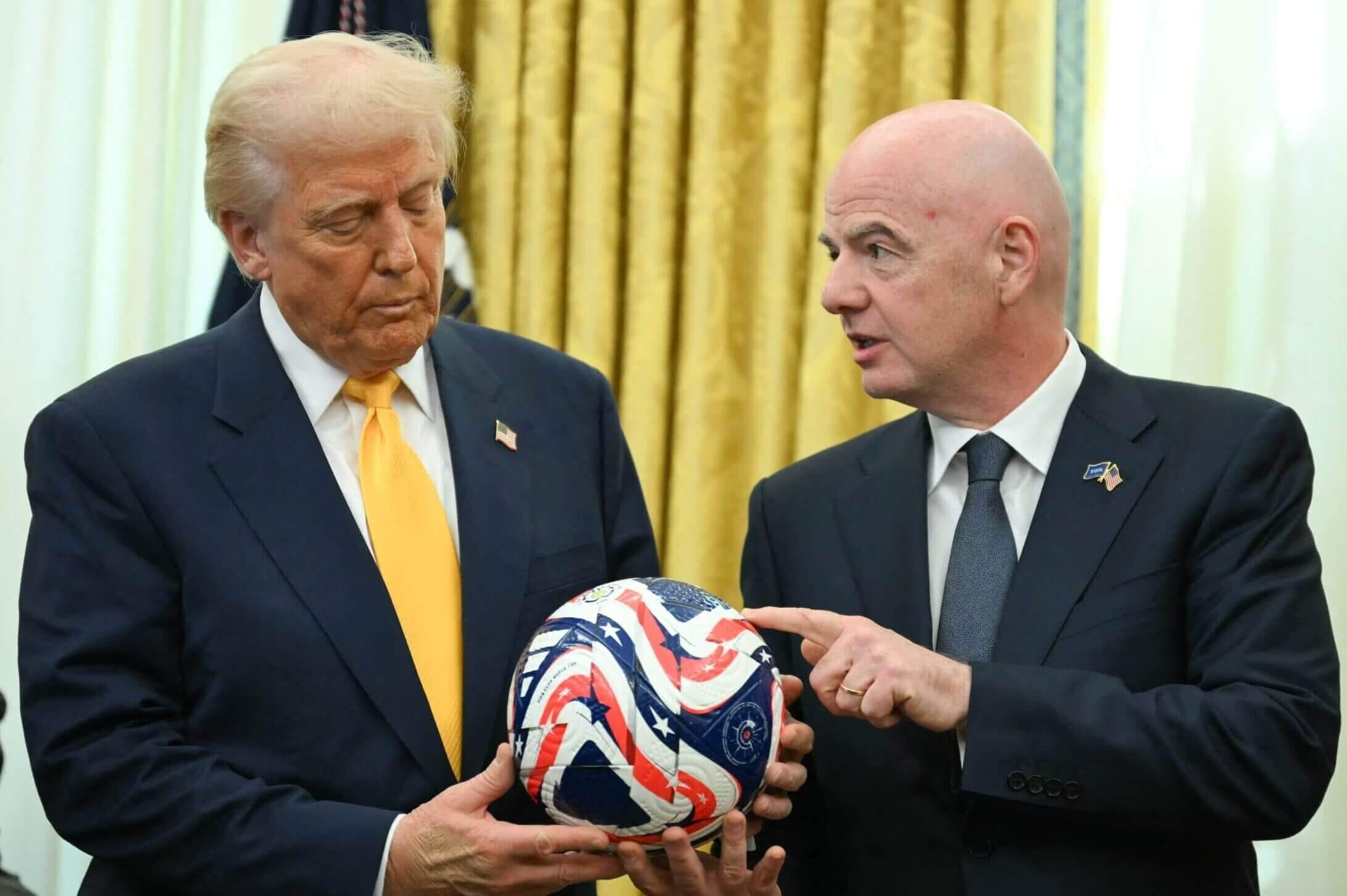
Despite these challenges, FIFA president Gianni Infantino, who has strong ties to Trump, insists that international fans will be welcome. But some experts, like Vijay Setlur from York University’s Schulich School of Business, warn that political tensions could deter fans from attending — particularly those from countries that are at odds with the U.S. governments, like Iran and Venezuela.
The Economic and Logistical Impact
The 2026 World Cup will attract over 6.5 million visitors across the three host countries. The U.S. will host 11 of the 16 cities, and soccer’s growing popularity in North America will boost the event’s economic impact. However, the risks of heightened political tensions and economic barriers could overshadow this.
While some argue that die-hard soccer fans will still make the trip despite the challenges, the financial cost of attending — from high ticket prices to travel expenses — might deter many. On top of that, the political climate could discourage fans from specific regions, particularly those from countries like Iran, which already faces an ongoing diplomatic dispute with the U.S.
Will FIFA’s Dream Be Realized?
As the 2026 World Cup approaches, questions remain about whether FIFA’s decision to host the tournament in the U.S. will be seen as a success or a misstep. Initially, many viewed the bid as an opportunity to unite North America and boost soccer in the region. But with mounting political friction and concerns over accessibility, the event may not fulfill its promise of bringing together a diverse global audience.
As the U.S. prepares for this massive event, the world will be watching not only for the matches on the field but for how the U.S. handles the international fans coming to experience the tournament.
Do you think the political climate in the U.S. will impact the success of the 2026 World Cup? Share your thoughts in the comments below.
More…
- https://www.cbc.ca/news/world/world-cup-trump-1.7549793
- https://www.theguardian.com/football/2025/jun/05/donald-trump-travel-ban-includes-exemption-for-world-cup-and-olympic-athletes
- https://www.nytimes.com/athletic/6404279/2025/06/05/trump-travel-ban-world-cup
- https://www.overheretoronto.com/torontos-10-7m-fifa-world-cup-ticket-resale


