
Bank of Canada Holds Interest Rate at 2.75% as Economic Resilience Faces U.S. Trade Uncertainty
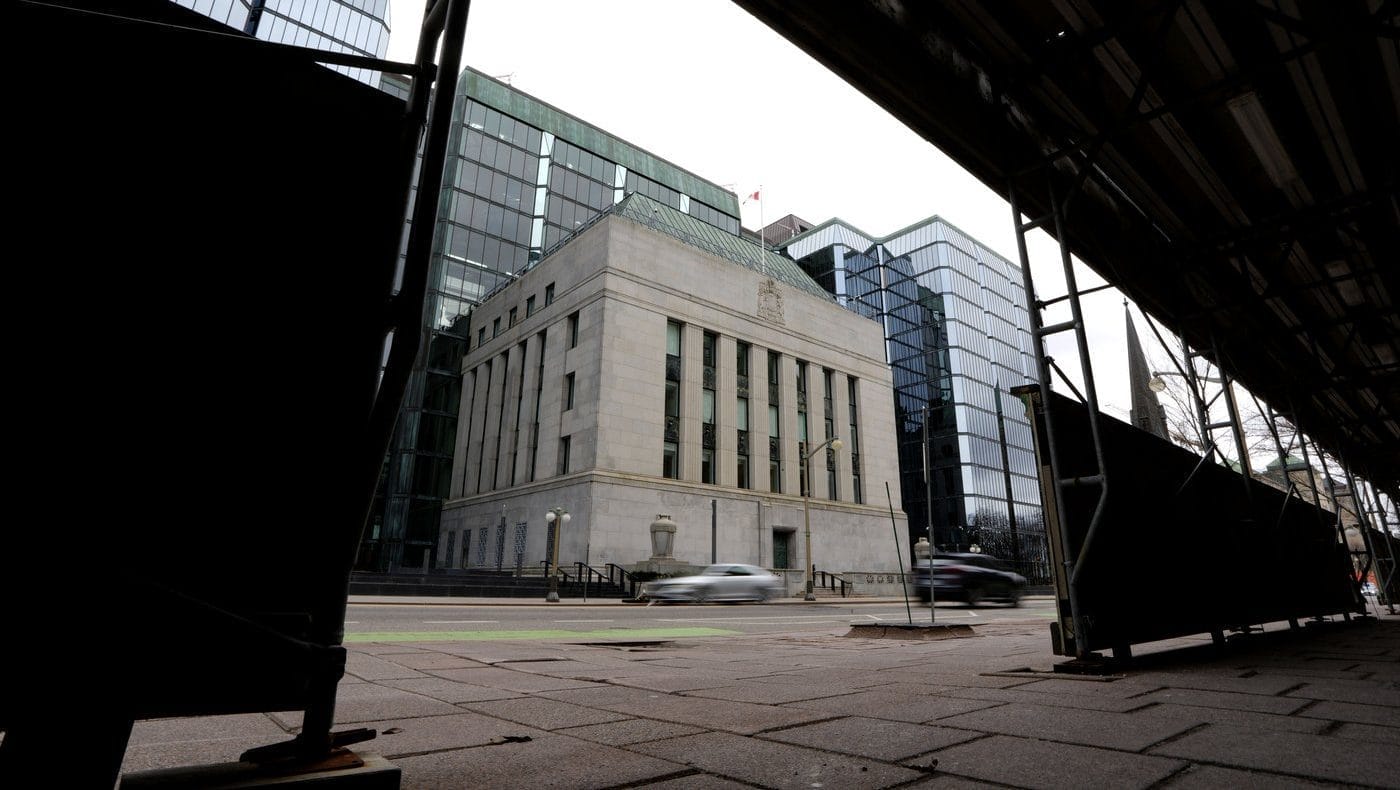
The Bank of Canada has decided to hold its key interest rate at 2.75% for the third consecutive time, citing resilience in the Canadian economy despite the ongoing global trade tensions, particularly with the U.S. This decision comes as economists widely predicted the central bank would maintain the rate amid uncertainty caused by U.S. tariffs.
Economic Resilience Amid Trade Uncertainty
Governor Tiff Macklem emphasized that the Canadian economy has shown resilience in the face of the trade dispute with the U.S. While tariffs and global trade disruptions continue to challenge certain sectors, Macklem noted that the impact has been less severe than initially expected. The decision to keep the interest rate steady reflects a consensus among the Bank of Canada’s governing council.
“While tariffs are still present, the risk of a severe and escalating global trade war has diminished in recent months,” Macklem said, noting that recent trade agreements between the U.S. and other world powers, like Japan and the European Union, have reduced the threat of further escalation. However, he highlighted that the U.S. is unlikely to return to open trade anytime soon.
What Does This Mean for Future Rate Cuts?
Despite maintaining the rate for now, Macklem hinted that the Bank of Canada might consider lowering the interest rate if the economy weakens further. This is due to the uncertainty in the global trade environment, which has affected Canadian export demand and business activity, particularly in tariff-exposed sectors such as manufacturing.
CIBC senior economist Andrew Grantham suggested that the Bank of Canada might be preparing for rate cuts in the near future, particularly if the economic data signals slower growth. The central bank remains vigilant about the ongoing effects of tariffs on business activity and prices.
Advertisement
Impact of U.S. Tariffs on Canada’s Economy
The Bank of Canada’s monetary policy report outlined three scenarios based on the current level of tariffs and potential outcomes. The “status quo” scenario, with tariffs remaining at their current levels, predicts slower economic growth in 2025 and 2026, with inflation remaining steady around 2%.
In the event of a de-escalation of tariffs, Canada’s economy could rebound more quickly, while an escalation could lead to a recession in 2025, with heightened inflation and a further contraction in economic growth. The U.S. has threatened to impose additional tariffs on Canadian goods, particularly if a trade deal isn’t reached by August 1, 2025.
Outlook for Canada
As of now, the Bank of Canada has not provided a single forecast for the economy due to the prevailing uncertainty. Instead, it continues to monitor trade developments closely. In the meantime, the Bank’s focus remains on assessing the economic impact of tariffs on inflation and trade, while being prepared to adjust rates if necessary.
What are your thoughts on the Bank of Canada’s decision to hold interest rates steady? Do you think future rate cuts are likely? Share your views in the comments below.
Advertisement
More…
- https://www.cbc.ca/news/business/boc-july-decision-1.7597146
- https://www.theglobeandmail.com/business/article-bank-of-canada-rate-announcement-july-30
- https://vancouver.citynews.ca/2025/07/30/bank-of-canada-to-make-interest-rate-decision-as-trade-uncertainty-swirls
Advertisement


