
Canada Pension Plan 2026: Payment Increases & January Dates Confirmed
If you depend on monthly government payments like the Canada Pension Plan (CPP), the new year is kicking off with some welcome news. Benefit amounts just went up, and your first payment of 2026 is landing in your account sooner than you think.
Whether you’re already retired or just planning ahead, this month brings a little extra cash to help with the bills. Here is everything you need to know about the January increase, when to expect your deposit, and the long-term health of your pension.
New Year, New Rates: The 2026 CPP Boost
What You Need to Know About the Increase
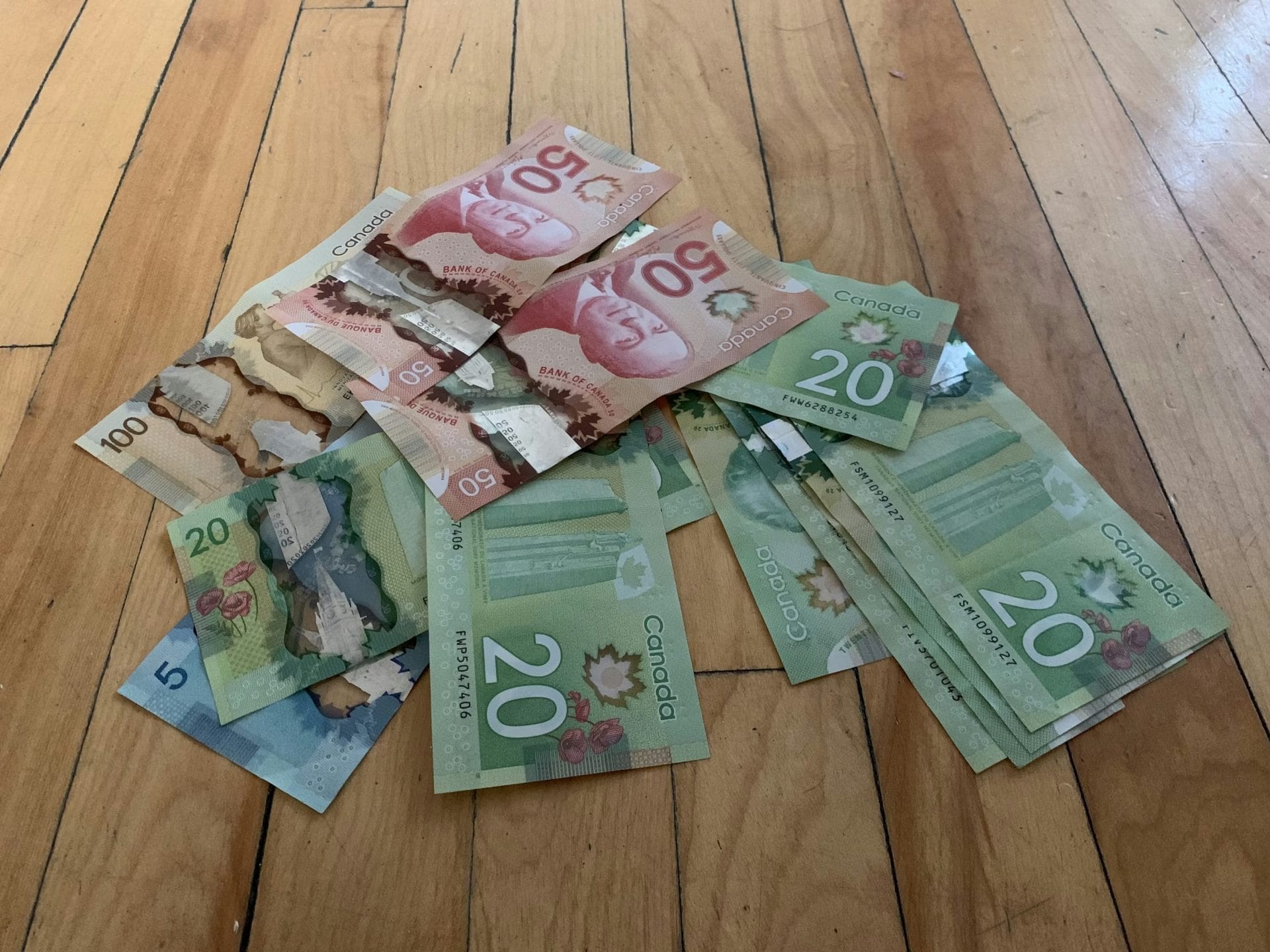
Starting this month, you will see a 2% bump in your CPP payments. This isn’t random—it’s an annual adjustment tied to the Consumer Price Index to help your pension keep up with the cost of living. Service Canada applies these adjustments automatically every January, so you don’t need to lift a finger to get the higher rate.
This increase applies across the board. Whether you receive the standard retirement pension, disability support, survivor payments, or children’s benefits, your deposit will reflect the new 2026 rates. If you are also receiving Old Age Security (OAS), you can expect a boost there as well, giving you a lift from two sources this month.
Mark Your Calendars: When You Get Paid
January Payment Date and 2026 Schedule
For January 2026, the money is scheduled to hit your bank account on Wednesday, January 28.
CPP deposits typically arrive on the third-to-last business day of the month. If you are signed up for direct deposit, the funds will be there automatically. If you still rely on paper cheques, they usually arrive a few days early but are post-dated.
Here is the confirmed schedule for the first half of 2026 so you can plan your budget:
- January: Wednesday, Jan. 28
- February: Wednesday, Feb. 25
- March: Friday, Mar. 27
- April: Tuesday, Apr. 28
- May: Wednesday, May 27
- June: Friday, June 26
For the full list of dates, you can check the Benefit Payment Calendar.
Is the CPP Sustainable? The 75-Year Outlook
Good News from the Chief Actuary
With the CPP turning 60 this month, a lot of Canadians worry if the fund will actually be there when they need it. The latest report from the Office of the Chief Actuary puts those fears to rest.
According to the 32nd actuarial report, the CPP is “fully sustainable” for at least the next 75 years. Despite an aging population and more retirees drawing benefits, the current contribution rates are sufficient to keep the plan healthy.
Investment returns are doing the heavy lifting here. By 2050, investment income is projected to cover nearly half of the base CPP’s expenditures. So, whether you are 25 or 65, the fund is on solid ground. You can read more about the fund’s health at CPP Investments.
The 60-Year Verdict: Is CPP a Good Deal?
Comparing the Pension to DIY Investing
Sixty years in, experts are still debating the value of the CPP compared to managing your own investments. A recent analysis suggests that while a “DIY alternative”—investing the same contributions into an RRSP—might theoretically yield higher returns today, the CPP offers something the stock market can’t: guaranteed security.
The CPP protects you against longevity risk (living longer than your savings) and market crashes. You don’t need to be an investment wizard to get your full entitlement. For the average Canadian, that guaranteed, inflation-indexed income is a safety net that is hard to beat.
Quick Tips for Your Pension
- Check Your Amount: Log in to your My Service Canada Account to see your new payment amount.
- Tax Time: Remember, CPP is taxable income. If you want to avoid a bill at tax time, you can request tax deductions directly from your monthly payment.
- Maximize It: If you are nearing 60, remember that waiting until 65 or even 70 to claim can significantly boost your monthly payments for life.
Related Reads:


