Israel Strikes Weaken Iran: Is a Nuclear Arms Race Imminent?
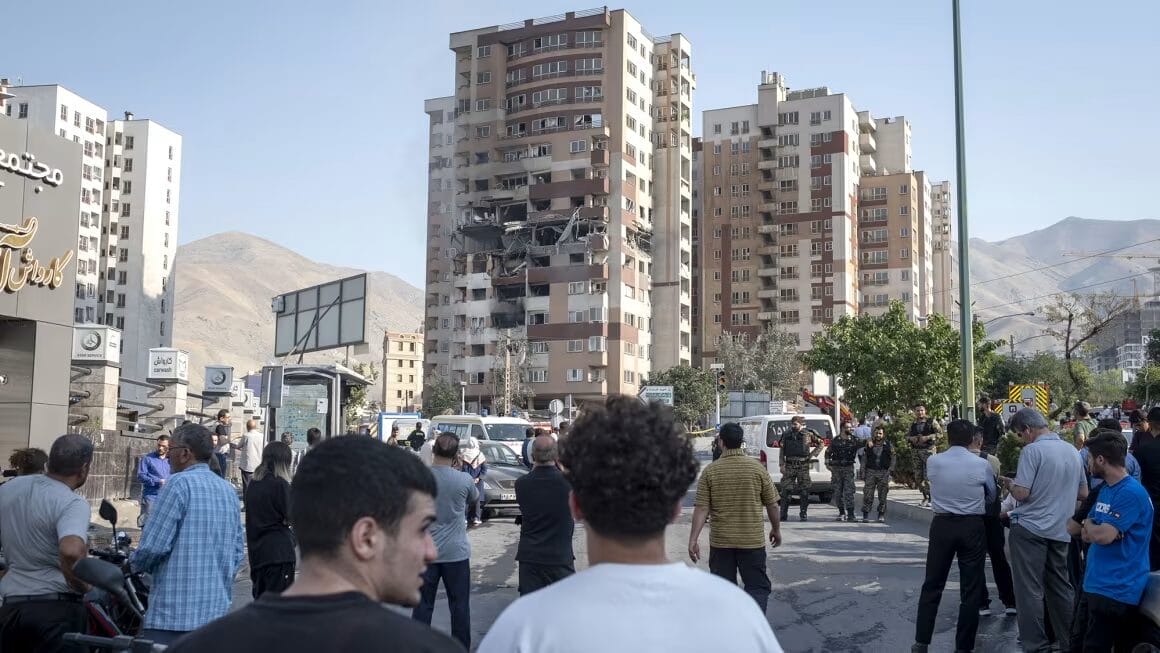
On June 13, 2025, Israel launched a series of strategic airstrikes across Iran, making the Israel strikes one of the most significant military operations in the region in recent years. Israel’s Operation Rising Lion severely weakened Iran’s military leadership and nuclear capabilities, leaving the country struggling to respond.
Devastating Losses for Iran’s Leadership
Israel’s Air Force and Mossad intelligence executed the strikes, dealing a severe blow to Iran’s military command. Among those killed were Iran’s top commanders, including the heads of the Islamic Revolutionary Guards Corps (IRGC), the armed forces, and the IRGC air force. Reports confirm that six Iranian nuclear scientists died, marking a significant loss for the country’s nuclear program.
The precision targeting of these individuals, likely aided by Israel’s intelligence network, has left Iran scrambling to reassess its capabilities and leadership structure. The attack also targeted crucial nuclear enrichment facilities such as Natanz, potentially halting Iran’s progress toward acquiring nuclear weapons.
Iran’s Retaliation Options Are Limited
In the wake of the attack, Iran’s ability to retaliate is highly constrained. The loss of key military figures, coupled with a crippled defense network, severely limits Tehran’s capacity to mount a traditional military response. Israeli operations had already neutralized Hezbollah, Iran’s second-strike force, leaving Iran without a reliable proxy force for retaliation.
Iran’s nuclear ambitions may also be affected. The country may quickly attempt to rebuild its capabilities, but ongoing Israeli strikes, coupled with severe damage to its air defenses, complicate Iran’s ability to advance its nuclear program. Additionally, Israel’s intelligence penetration casts doubt on the security of Iran’s nuclear sites, prompting Iran to reassess its next steps.
Regional Implications and Potential Nuclear Arms Race
This attack carries serious consequences for regional stability. Saudi Arabia, Turkey, and other Middle Eastern nations will likely be watching Iran’s response closely. If Iran speeds up its nuclear weapons program after this assault, it could spark a regional arms race. Israel sees a nuclear-armed Iran as a serious threat. It will likely act to stop Iran from reaching “breakout capability”—the ability to quickly build a nuclear weapon.
The broader Middle East is at a crossroads. Israel’s actions, while weakening Iran, may push the regime to pursue nuclear weapons even faster as a deterrent. Countries like Saudi Arabia could follow suit, especially if they perceive a nuclear Iran as a threat to regional power.
The US Role and Trump’s Influence
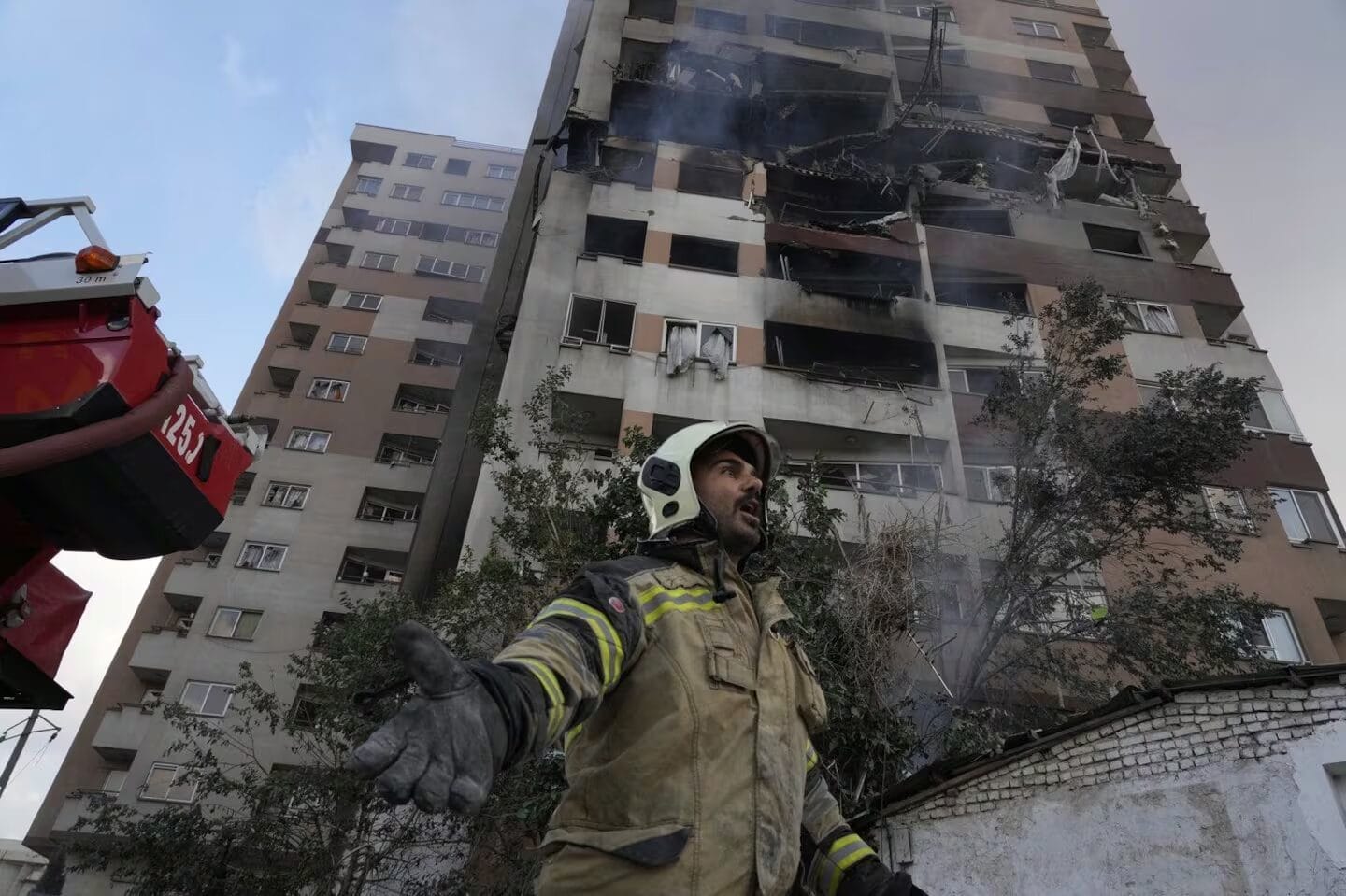
Amid these developments, the US has distanced itself from the Israeli strikes. President Donald Trump, who has been vocal about Iran’s nuclear ambitions, remains cautious, giving Iran a “second chance” to strike a deal to limit its nuclear program. However, Israel’s lack of trust in the US to honor any nuclear agreement may have led to this preemptive action.
The Trump administration’s stance likely influenced Israel’s decision to act before the US-Iran nuclear talks, scheduled for the weekend in Oman. Israel appears to have taken matters into its own hands, believing that diplomacy will not halt Iran’s nuclear progress.
What Lies Ahead for Iran?
While Iran’s position is significantly weakened, the regime has defied expectations in the past. It could decide to accelerate its nuclear program, despite the risks. If Iran chooses this path, it will likely trigger further tensions with Israel, the US, and regional powers. For now, the immediate future remains uncertain as Israel carries out intelligence-driven strikes, targeting vulnerable parts of Iran’s defense and nuclear infrastructure.
The Bigger Picture
Israel’s Operation Rising Lion is a clear signal of the geopolitical shifts happening in the Middle East. The Israeli strikes have temporarily crippled Iran’s nuclear ambitions. However, they have also set the stage for further conflict. Iran’s nuclear goals remain central to the region’s power struggle. Israel is now determined to prevent Iran from becoming a nuclear power, at all costs.
Do you think Israel’s strikes on Iran will lead to a nuclear arms race in the Middle East? What could be the long-term impact of these actions on regional stability?
More…