Solar Eclipse 2026: Path, Time, and How to Watch the Rare ‘Ring of Fire’
Heads up, stargazers. The cosmos has a spectacular show scheduled for this Tuesday, February 17, 2026. We are officially entering a new eclipse season with an annular solar eclipse, famously known as a “ring of fire.” While most of us won’t need to run outside with special glasses this time, understanding this celestial event offers a fascinating peek into orbital mechanics. Here is the lowdown on what is happening above our heads right now and how you can still experience it.
What Exactly is an Annular Solar Eclipse?
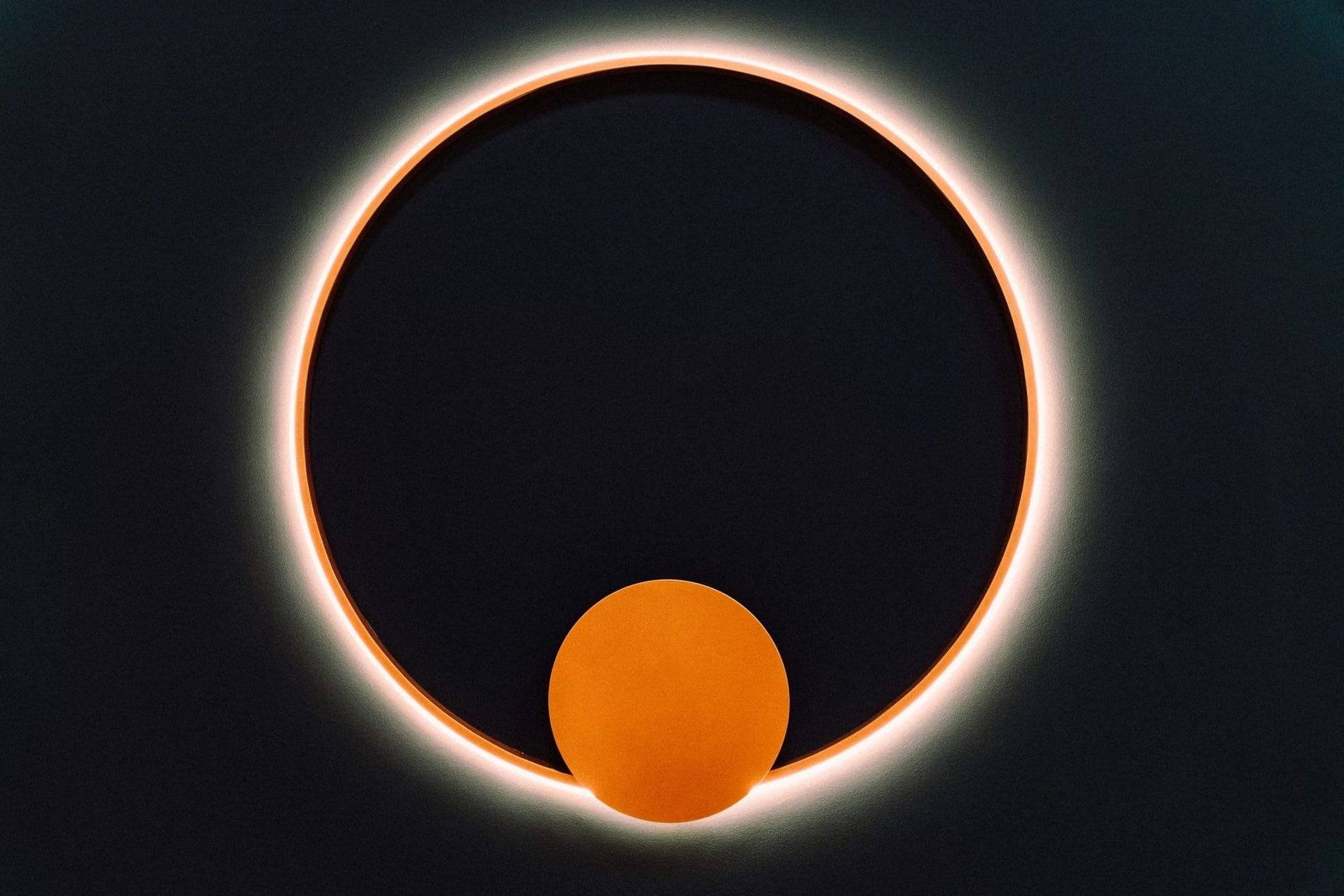
You might wonder why we call this a “ring of fire” rather than a total blackout. It all comes down to cosmic geometry. During an annular eclipse, the Moon slides directly between Earth and the Sun. However, there is a catch. The Moon is currently too far away in its orbit to completely block out the Sun’s disk.
The Science Behind the Ring
Think of it like holding a dime in front of a nickel. You see the edges of the larger coin peeking out from behind the smaller one. That glowing border is what NASA describes as the “annularity.” Dr. C. Alex Young from NASA’s Goddard Space Flight Center explains that this specific alignment leaves a brilliant ring of sunlight surrounding the Moon’s dark silhouette. It differs significantly from a total eclipse, where the Moon is close enough to hide the Sun entirely.
Where and When to Watch
This particular event is playing hard to get. The path of annularity—the sweet spot where you see the full ring—is incredibly remote. In fact, only about 2% of the world’s population falls within the viewing zone, and most of that zone covers the icy plains of Antarctica, specifically passing over research outposts like the Concordia and Mirny stations.
Timing the Event
According to astronomical data from Time and Date, the eclipse action kicks off with the annular phase beginning at approximately 6:43 a.m. ET (11:43 UTC). The peak dramatic view, where the ring is most visible, occurs shortly after at 7:12 a.m. ET. The entire annular event spans roughly two hours, ending by late morning Eastern Time.
Who Gets a Partial View?
While the penguins and researchers get the front-row seats for the main event, human observers in parts of the Southern Hemisphere aren’t entirely left out. Sky-watchers in the southern tips of Argentina and Chile, as well as parts of southern Africa, will witness a partial solar eclipse. From these vantage points, it will look like an invisible giant took a bite out of the Sun.
Safety First: How to Observe Without Damage
We cannot stress this enough: never look directly at the Sun, even when the Moon covers most of it. Regular sunglasses—even the super dark ones—won’t protect your retinas from permanent damage.
Proper Gear and DIY Methods
If you find yourself in the viewing path, you need certified solar viewing glasses that meet the ISO 12312-2 international standard. Don’t have a pair? You can get crafty. Create a simple pinhole projector using a cardboard box. Punch a small hole in one side, stand with your back to the Sun, and let the light project an image of the eclipse onto a flat surface in front of you. This method lets you watch the shadow shape change without frying your eyes.
Why Do Eclipses Come in Bunches?
You rarely see just one eclipse in isolation. Astronomers call these periods “eclipse seasons.” Dr. Young notes that a solar eclipse always finds a partner in a lunar eclipse about two weeks before or after the main event.
Mark Your Calendars for March
True to form, this annular eclipse is just the opening act. We can look forward to a Total Lunar Eclipse—often called a “Blood Moon”—coming up on March 3, 2026. That event will be visible to folks in the Americas, Asia, and Australia, making it much easier to catch than Tuesday’s remote light show.
Looking Ahead: Planetary Parades and Future Dates
If you missed this one, don’t worry. The universe always has more in store. Just days after the eclipse, on February 28, 2026, skywatchers will be treated to a rare planetary alignment. Mercury, Venus, Saturn, Jupiter, Uranus, and Neptune will appear in the sky shortly after sunset, offering a dazzling “planet parade.”
For those waiting for another ring of fire, the next annular eclipse will sweep across parts of South America and Africa on February 6, 2027. You can track these visibility times on EarthSky.
For the meteor hunters out there, the American Meteor Society highlights the Lyrids peaking April 21-22. So, keep looking up—there is always something wondrous passing through our neighborhood.
Related Reads: