Strait of Hormuz: Key Focus as Oil Prices and Global Tensions Rise
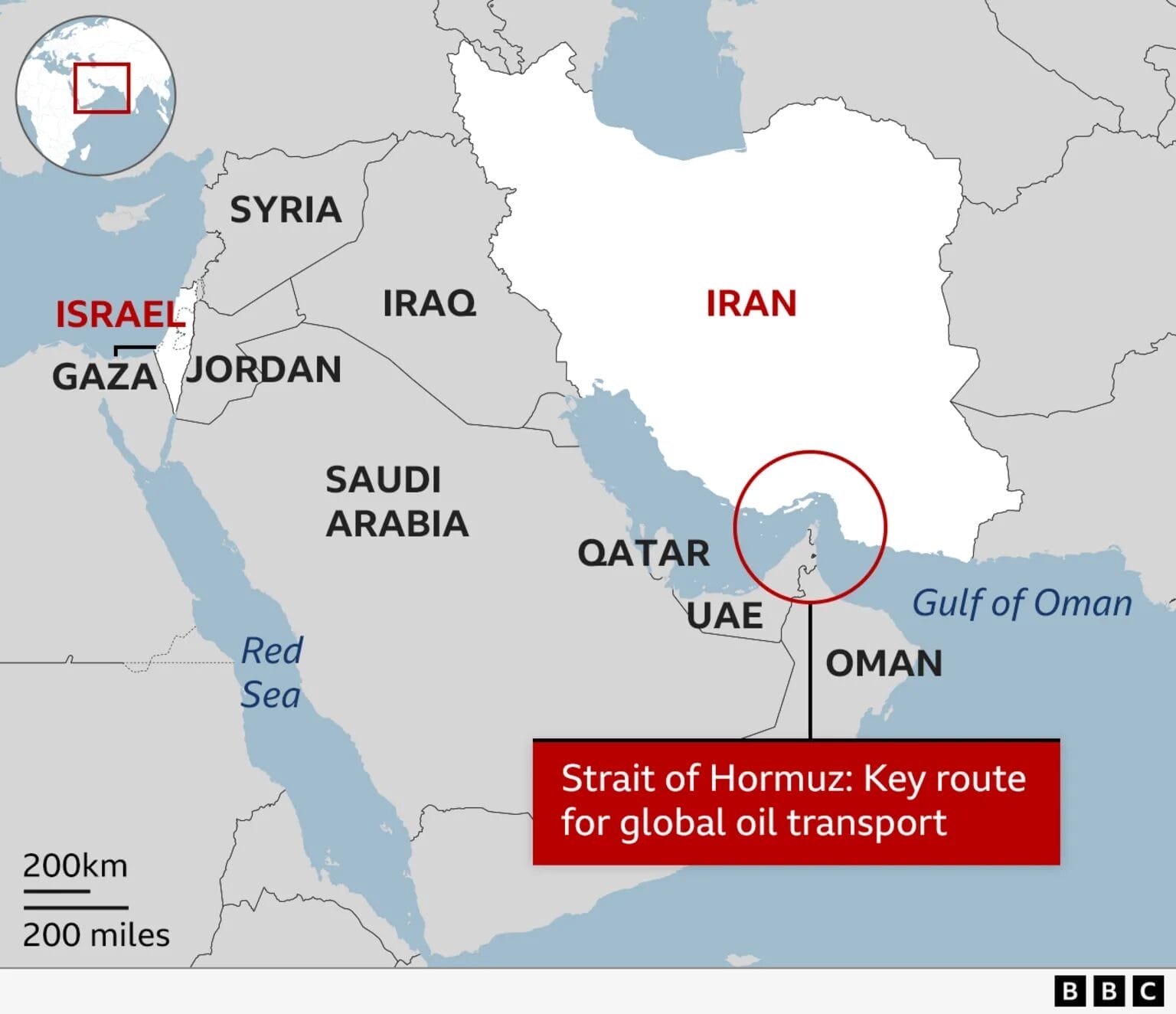
Oil prices saw marginal gains on June 23, 2025, with West Texas Intermediate (WTI) crude futures rising by 0.2% to nearly $74 a barrel. However, these prices remain below the 2023 average and slightly below the peak since January. The market is closely watching the Strait of Hormuz, as investors await Iran’s response to the recent U.S. strikes on Iranian nuclear facilities. The Strait of Hormuz, a critical shipping route for global oil trade, continues to play a central role in shaping future oil prices.
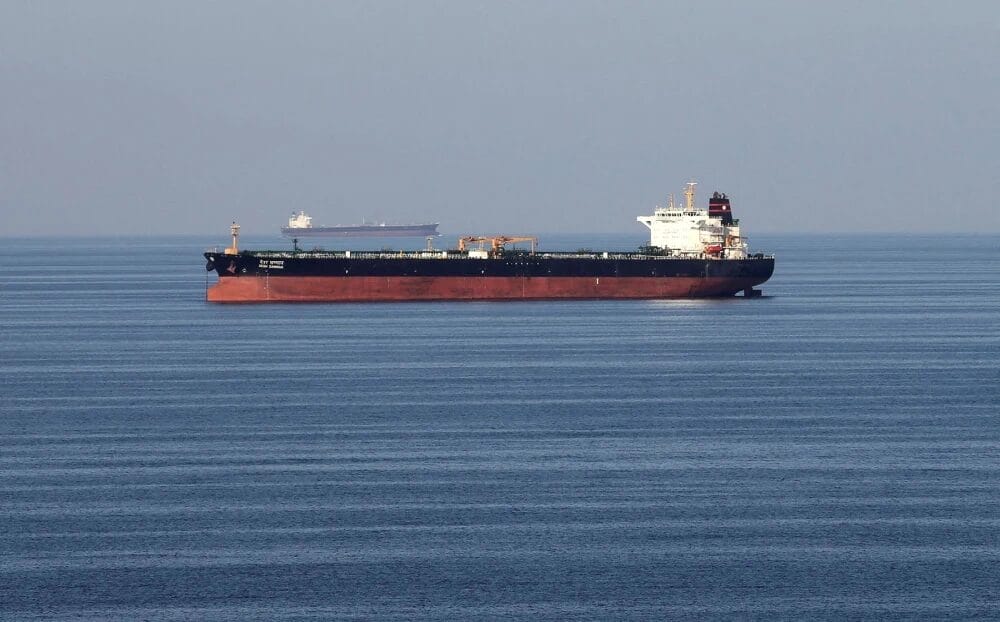
Potential Consequences of a Blockade in the Strait of Hormuz
The Strait of Hormuz is responsible for carrying about 20% of global oil shipments. Any disruption or potential blockade of this key route would have major economic consequences for oil-importing countries, especially China, India, and Japan.
Speculation is rising over whether Iran will retaliate by closing it, which would significantly impact oil prices and global trade. While there have been threats in the past, Iran’s closure of the Strait would hurt both Iran’s own exports and its key market, China.
A Range of Potential Retaliation Scenarios
Experts say Iran’s response could include a variety of actions:
- Full escalation, possibly drawing in countries like China and Russia.
- Disruption of the Strait of Hormuz.
- Active or passive support for terrorist activities in the U.S. and Europe.
- No action at all.
The Strait remains the focal point, as disruptions to this vital oil corridor could cause an uptick in oil prices, further contributing to global economic uncertainty.
Alternative Routes and Their Limitations
While Saudi Arabia and the UAE have built alternative oil pipelines to bypass the Strait, these routes cannot handle the full volume of oil that passes through the Strait. The East-West pipeline in Saudi Arabia, for instance, has a capacity of 5 million barrels per day, while the UAE’s pipeline can carry up to 1.5 million barrels. However, these alternative routes can only replace a small fraction of the Strait of Hormuz’s throughput.
How do you think a blockade of the Strait of Hormuz would affect global oil prices and energy markets?
More…