
Toronto Beaches Deemed Unsafe for Swimming Due to E. coli: What You Need to Know
With summer in full swing, many people are heading to Toronto beaches to cool off. But before you dive in, you might want to check the water quality first. Several popular beaches across Toronto and the surrounding region have recently been flagged as unsafe for swimming due to high levels of E. coli found during regular water testing.
Which Beaches Are Affected?
As of the latest Toronto Public Health updates, the following beaches have been deemed unsafe for swimming:
- Marie Curtis Park East Beach
- Sunnyside Beach
- Centre Island Beach
- Woodbine Beach
- Kew-Balmy Beach
Testing revealed unsafe levels of bacteria, prompting SwimSafe warnings that advise beachgoers to stay out of the water.
Why Are E. coli Levels So High?
Toronto’s water quality can change quickly, especially after rainfall. When it rains, stormwater can carry pollutants like animal waste, sewage overflow, and debris into Lake Ontario through rivers and streams. This spike in contaminants often causes E. coli levels to rise, especially near beaches located close to creeks or river mouths.
Other contributing factors include:
- Shallow, warm waters
- Large populations of birds
- Wind stirring up sediment
Toronto Public Health advises avoiding swimming during rainfall and for 48 hours afterward, even if there are no posted warnings yet.
How Is Water Quality Monitored?
The SwimSafe program tests the water at all 11 city beaches daily throughout the summer. Results are made available online and are also indicated at the beaches using flag systems and signs.
Red flags mean “unsafe for swimming.”
Green flags mean “safe to swim.”
However, because lab results take about 24 hours, real-time signs may not always reflect the current risk. Officials recommend using common sense and visual cues, such as cloudy water or strong smells, to help make decisions.
How Does Toronto Compare Globally?
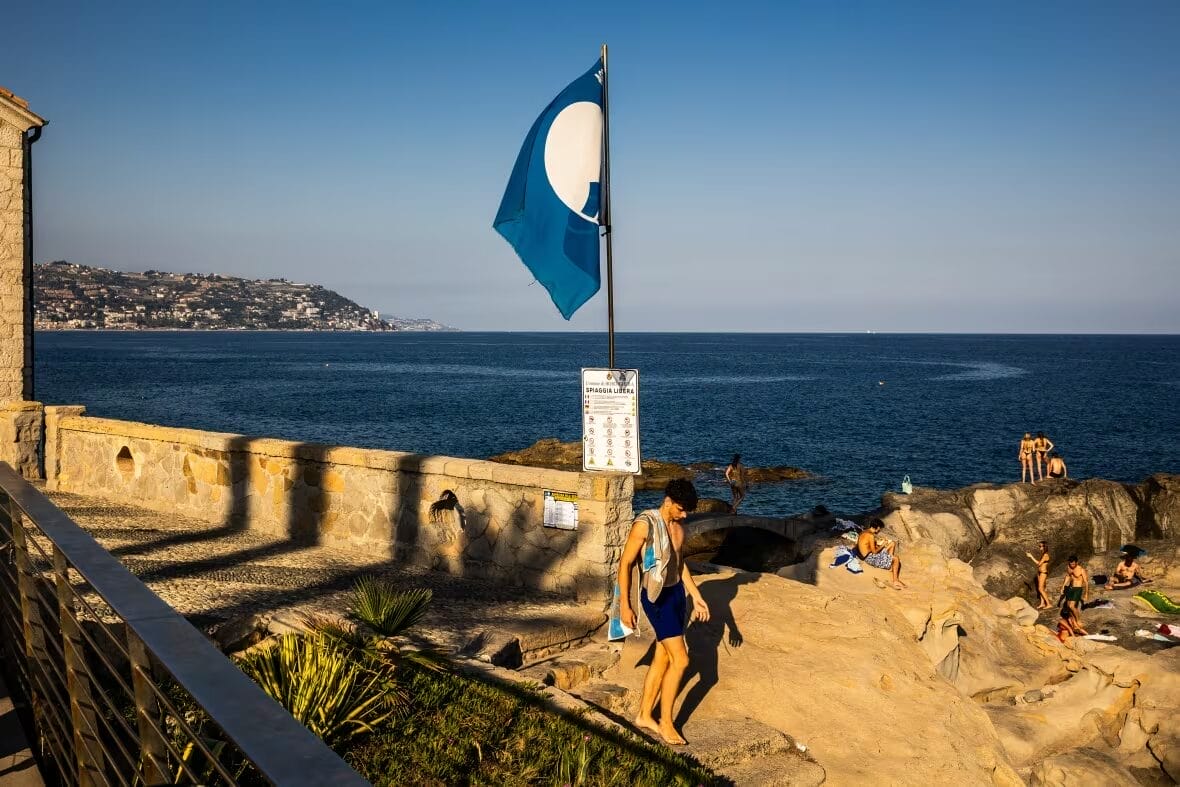
Despite recent warnings, experts remind residents that Toronto actually has some of the cleanest urban beaches in the world. Seven of the city’s beaches have earned the international Blue Flag eco-certification, which recognizes high water quality and environmental standards.
Blue Flag Beaches in Toronto:
- Gibraltar Point
- Ward’s Island
- Hanlan’s Point
- Cherry Beach
- Kew-Balmy
- Woodbine
- Bluffer’s Beach
These beaches are typically farther from combined sewer overflows and the inner harbour, making them more resilient to pollution spikes.
Meanwhile in Niagara: Confusing Signage and Safety Concerns
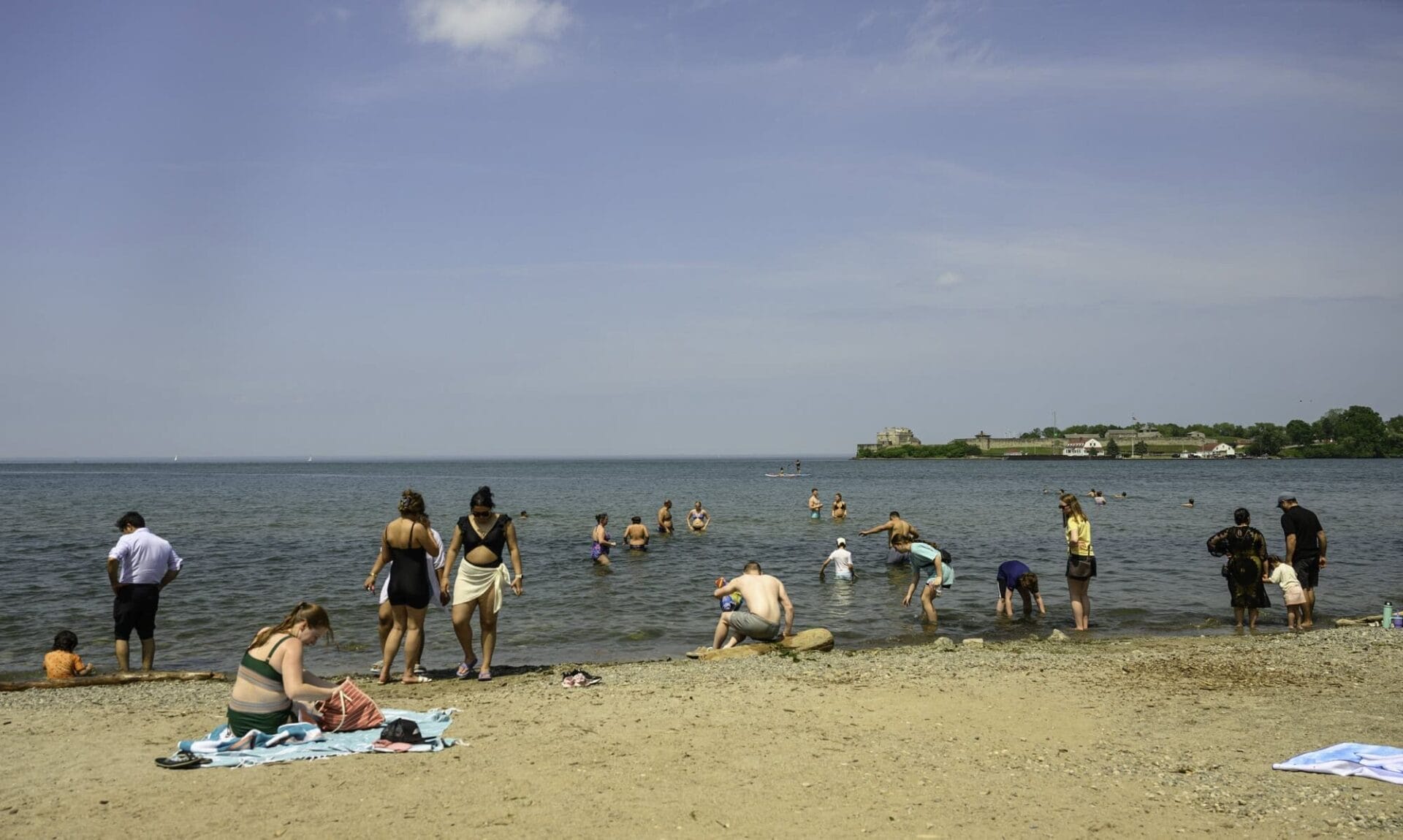
In Niagara-on-the-Lake, Queen’s Royal Beach has also been closed since June 16 due to high E. coli levels. However, until recently, no clear signage warned swimmers about the danger. The beach remained busy with families and children unaware of the health risk.
The Niagara Region recently shifted to digital-only warnings, directing beachgoers to check online advisories rather than posting bright yellow warning signs on site. After public pressure, a new sign with a QR code was installed, but it still does not explicitly state whether the beach is safe or closed.
Health experts warn that swallowing contaminated water can lead to serious illness, especially for children and seniors. Symptoms include stomach cramps, diarrhea, vomiting, and in severe cases, kidney failure.
What Can You Do to Stay Safe?
- Check water quality reports daily at toronto.ca/beach
- Download apps like Swim Guide from Swim Drink Fish Canada
- Avoid swimming for 24–48 hours after rain
- Watch for warning flags or signage
- Stay away from birds and wildlife near the water
- Trust your instincts — don’t swim in water that looks or smells bad
Toronto’s beaches will remain open until Labour Day, but the decision to swim should always include an informed check of conditions.
Do you think beach safety warnings should always be posted on-site — or is checking online enough? Share your thoughts below.
More…


