Toronto Zoo Considered as Forever Home for Blind Baby Moose Rescued Near Ottawa
A young blind baby moose rescued in Ontario has captured hearts across the province and may soon be settling into a permanent new home. The Toronto Zoo is stepping in as a potential sanctuary for the calf, who has been declared unfit for release into the wild due to his impaired vision. The animal, affectionately named Cedar, was found alone and injured and is currently under the loving care of Holly’s Haven Wildlife Rescue.
Toronto Zoo May Offer Safe Haven to Rescued Blind Baby Moose Calf
Cedar’s Rescue and Diagnosis
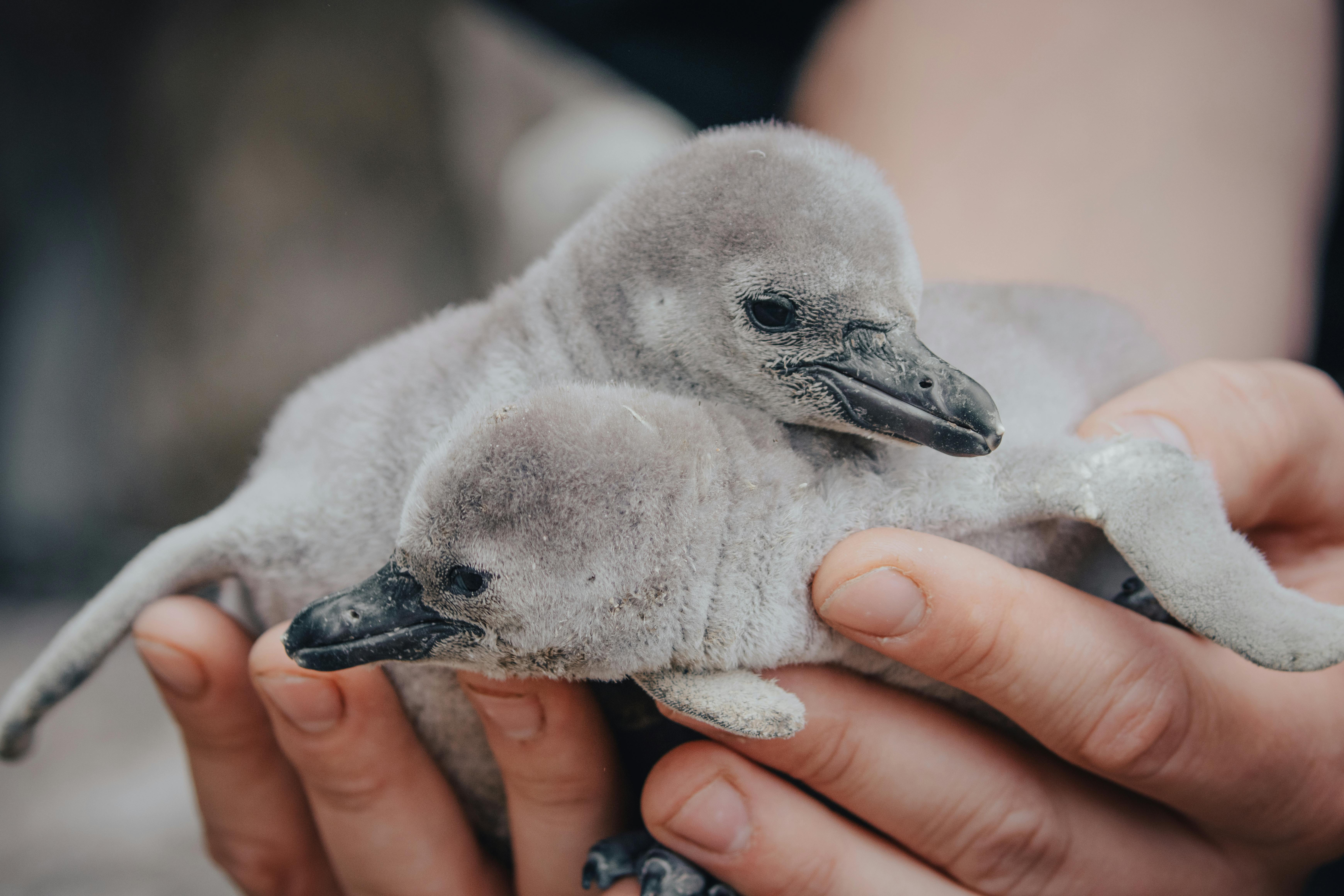
Earlier this month, a two-month-old moose calf named Cedar was discovered injured and alone near Ottawa. After receiving a call about the visually impaired animal, Holly’s Haven Wildlife Rescue stepped in straightaway. Lynne Rowe, the director of operations, and her team hustled to accommodate the unexpected arrival. Veterinary examinations revealed that Cedar is blind in one eye and has limited vision in the other eye—likely due to physical trauma, which may have caused scar tissue in his eyes. As a result, his visual perception is severely affected. Nevertheless, Cedar has quickly endeared himself to everyone caring for him.
- Age: Approximately two months old
- Condition: Blind in one eye, partial vision in the other
- Cause: Suspected eye trauma, possibly temporary scar tissue
- Care Facility: Holly’s Haven Wildlife Rescue
- Full Article: https://nowtoronto.com/news/rescued-visually-impaired-baby-moose-deemed-unfit-for-the-wild
Why Cedar Can’t Return to the Wild
According to wildlife specialists at Aspen Valley Wildlife Sanctuary, Cedar’s impaired vision renders him unable to survive in the wild. In natural environments, moose rely heavily on their eyesight for detecting predators and navigating terrain. Accordingly, releasing him would put him at immediate risk. While some scar tissue in his eyes might shrink over time, there’s no guarantee his sight will improve. Still, Cedar has shown resilience and adaptability in his current care setting. Clearly, with the right environment, he can still thrive.
Toronto Zoo’s Role as a Potential Permanent Home
With Holly’s Haven unable to support a full-sized moose long-term, they sought an alternative that could meet Cedar’s future needs. Significantly, the Toronto Zoo, which has an existing moose enclosure that became vacant last year, quickly emerged as a promising option. Zoo CEO Dolf DeJong shared that the institution is conducting thorough assessments, including regulatory steps required by the Canadian Food Inspection Agency. A primary focus will be on consistency and safety due to Cedar’s condition. Consequently, if accepted, Cedar could spend the rest of his life in a well-managed habitat tailored to a visually impaired animal, such as a blind baby moose.
- Facility Availability: Moose enclosure available after former residents passed
- Environmental Considerations: Space must be navigable for vision-impaired animals
- Regulatory Agencies Involved: Canadian Food Inspection Agency, Ministry of Natural Resources
Next Steps for Cedar
The Ministry of Natural Resources has already approved the application for Cedar’s transfer, allowing the zoo to proceed with final assessments. For now, Cedar remains at Holly’s Haven, where staff are expanding his enclosure and attentively monitoring his well-being. Lynne Rowe expressed her gratitude for working with such a unique animal and hopes that he can find a lasting sanctuary deserving of his gentle nature. Eventually, he may become an ambassador for wildlife education.
The case of Cedar illustrates how community efforts and collaboration between wildlife rescue organizations and zoological institutions can offer compassionate alternatives when nature’s path is no longer viable. Toronto Zoo’s response highlights their commitment to animal welfare, especially in situations where rehabilitation is not an option. By and large, it’s a touching journey for one blind baby moose to find his forever home.
More…
- https://www.cbc.ca/news/canada/toronto/cedar-the-moose-toronto-zoo-1.7592435
- https://www.cbc.ca/player/play/video/9.6843512
- https://ca.news.yahoo.com/wildlife-rescue-hopes-blind-baby-080000952.html
- https://www.overheretoronto.com/green-card-holders-issued-new-warning-carry-proof-of-status-at-all-times/