
Canada’s Inflation Rate Rises to 2.6% as GST Holiday Ends
Canada’s inflation rate climbed to 2.6% in February, exceeding expectations and complicating the Bank of Canada’s strategy for future interest rate decisions.
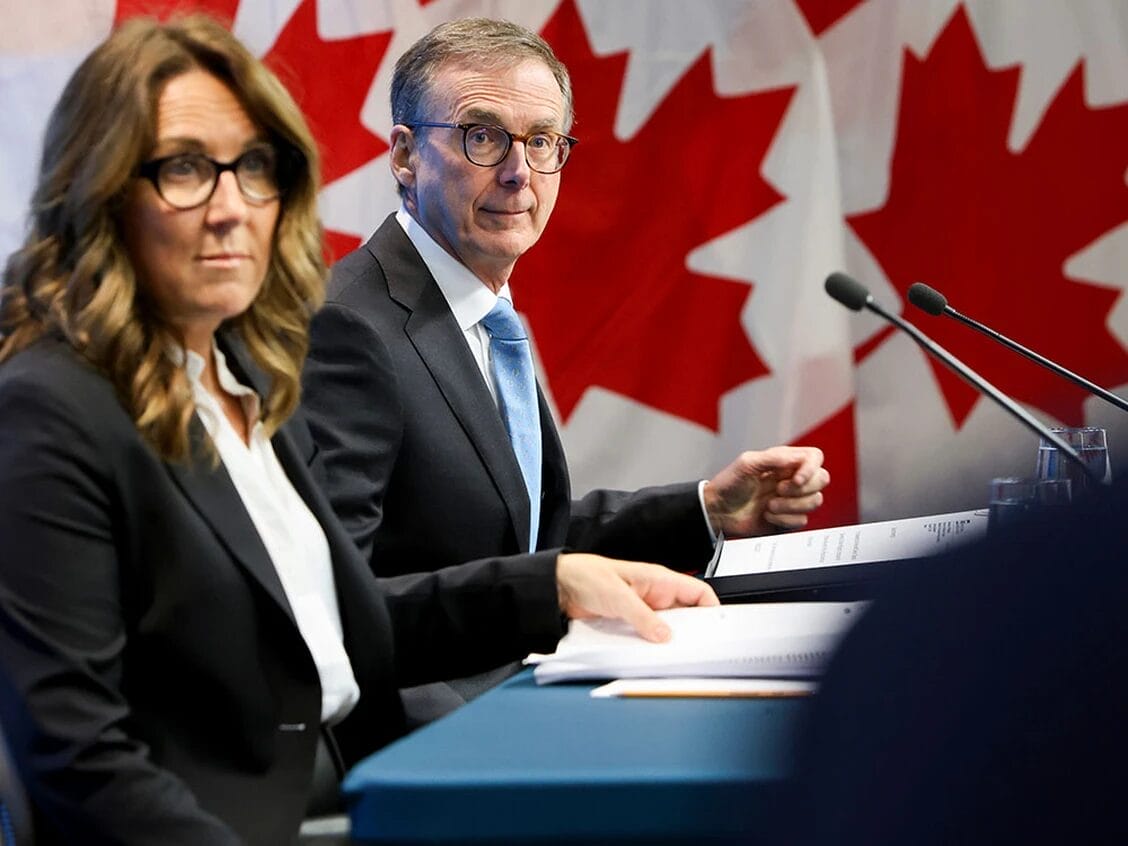
Inflation Surpasses Projections
Statistics Canada reported a 1.1% monthly increase in the Consumer Price Index (CPI), driven by the end of the GST and HST holiday on select goods. Analysts had forecasted a 2.2% annual increase, but inflation rose higher than expected. The Bank of Canada’s core inflation measures also increased to 2.9%, nearing the upper limit of its target range.
Key Factors Behind the Inflation Surge
The biggest price jumps occurred in restaurant meals, alcohol, and travel tours. With the tax holiday ending on February 15, restaurant prices rose 4.3%, and alcohol prices increased 2.1% month-over-month. Travel tour prices surged 23.2%, reflecting higher demand during the U.S. President’s Day weekend.
Gasoline prices also rose, though at a slower pace than in January. The 5.1% annual increase in gas prices was linked to refinery maintenance costs rather than crude oil price shifts.
Impact of U.S. Tariffs and Economic Uncertainty
The inflation spike occurred before the impact of the U.S.-Canada trade war is fully reflected in the data. The Bank of Canada has warned that retaliatory tariffs, currency depreciation, and supply chain disruptions will likely increase prices further.
Governor Tiff Macklem emphasized the need to “proceed carefully” with further rate cuts. The April rate announcement is now uncertain, with financial markets assigning only a one-in-three chance of another cut. Many economists expect the central bank to pause rate cuts due to rising inflation expectations.
Economists React to Inflation Data
Several leading economists expressed concerns about the inflation outlook:
- Desjardins Group: Royce Mendes suggested that the Bank of Canada might need to “take a hawkish detour” and pause rate cuts.
- CIBC Economics: Katherine Judge noted that inflation could exceed 3% year-over-year in the coming months due to tariffs.
- TD Bank: Leslie Preston called the situation “a difficult place” for the Bank of Canada, given rising inflation expectations.
Interest Rate Outlook
The Bank of Canada has cut rates seven times but may pause further reductions. Currency swaps now indicate a 59% probability of a rate pause in April. Some analysts believe the removal of the carbon tax on April 1 could temporarily lower inflation, but tariff effects could push it higher.
The unexpected inflation surge creates a challenging economic landscape for policymakers. The Bank of Canada must balance economic support with inflation control, making future interest rate decisions uncertain.
More…
- https://www.theglobeandmail.com/business/article-canada-inflation-rate-february-gst-holiday
- https://ca.finance.yahoo.com/news/canadas-annual-inflation-rate-leaps-to-26-complicating-path-for-boc-as-tariff-bite-still-looms-150839595.html
- https://financialpost.com/news/bank-of-canada-jobs-harder-inflation


