
Year-Round Sports Culture Makes Toronto Canada’s Ultimate Athletic Destination
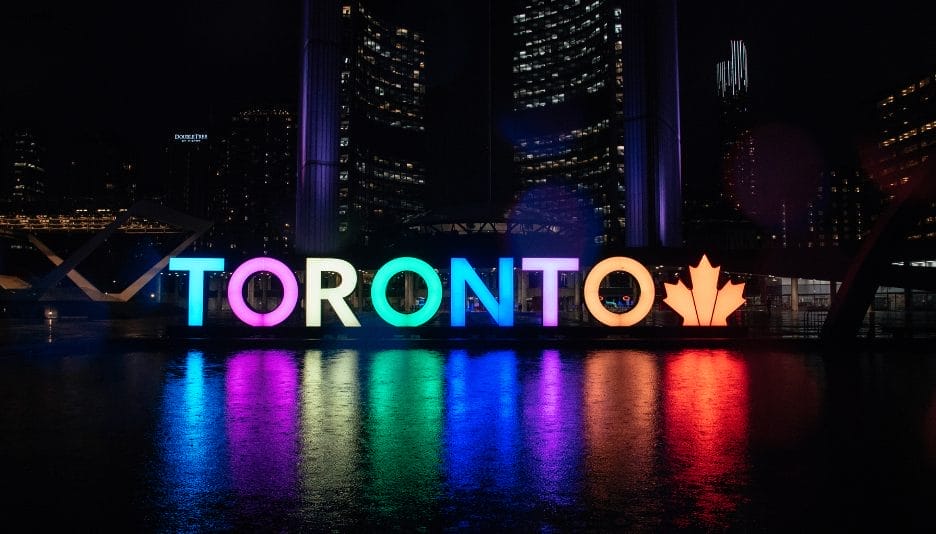
Just a handful of places on Earth—and even fewer in Canada—can match the passion and commitment to sport that you’ll find in Toronto on any given day. From the hockey traditions of January to fall football games, and summers beneath the Rogers Centre’s retractable roof, this city lives and breathes competition 365 days a year.
Toronto’s pro teams prove it. The Maple Leafs, Raptors, Blue Jays, Toronto FC, Argonauts, Rock, and Wolfpack already fill the calendar—in 2026, they will be joined by a WNBA team.
For many visitors, the legalization of controlled sports betting has brought new levels of participation—think pre-game odds boards, special matchup podcasts, and energetic watch parties that fill downtown bars nightly. Platforms like Pinnacle and other sports betting providers have made it easier than ever to follow the action.
A Weather-Proof Sports Schedule
Indoor arenas, warm training rooms, and a large array of public ice rinks and grass fields all help keep play going, regardless of the weather outside. Winter is for hockey: the Leafs fill Scotiabank Arena while the AHL Marlies work on players just one neighborhood away. But even in February, the Raptors keep basketball alive inside and the Rock excite box-lacrosse fans at FirstOntario Centre.
As the ice thaws, baseball and soccer take center stage. The Blue Jays draw fans from all over the country beneath the roof of the Rogers Centre, and supporters of Toronto FC, with their scarves, turn the lakeshore into a festival reminiscent of Europe. Spring also brings the Queen’s Plate horse race and regattas that fill the harbour with sails. Fall may be the busiest time of all; it is when further playoff pushes by the Jays coincide with CFL play as well as opening weeks for both NHL and NBA seasons—proof there is truly no offseason!
Arenas & Fields
| Venue | Opened | Anchor Teams | Signature Feature | Capacity |
| Scotiabank Arena | 1999 | Maple Leafs, Raptors | 200+ events per year; rapid floor change | 19,923 |
| Rogers Centre | 1989 | Blue Jays | First fully retractable roof | 49,282 |
| BMO Field | 2007 (exp. 2016) | Toronto FC, Argonauts | Lake-front sightlines | 30,000 |
| Coca-Cola Coliseum | 1921 (rev. 2003) | Marlies, future WNBA Tempo | Heritage façade | 8,200 |
| Pan Am Sports Centre | 2014 | Olympians & public | Dual 50 m pools | N/A |
Scotiabank Arena is the country’s busiest indoor venue, while Rogers Centre’s roof allows baseball to run rain or shine. Such infrastructure elevates spectator comfort and anchors neighbourhood economies—restaurants, hotels and transit lines all benefit from predictable foot traffic.
Grassroots Access for Everyone
Toronto may lack flashy community sports centers, but city leaders are aware of the need for equitable access to sports facilities. Parks, Forestry & Recreation subsidizes more than 600 indoor and outdoor facilities, with non-profit partners running learn-to-play clinics in priority neighborhoods. Three priorities:
- Affordability – Ice time offered at a reduced fee, with equipment lending libraries to lower the costs.
- Representation – Grants support girls’ hockey, adaptive sports, and newcomer cricket leagues.
- Progression – Local clubs feed into pro academies, turning dreams of Leafs or Raptors jerseys into attainable goals.
The upcoming WNBA team is already financing girls’ camps from the OVO Athletic Centre, broadening the path in women’s sports.
Active Lifestyles Beyond the Pros
The pro calendar tells only half the tale. Twelve city golf courses, 840 kilometres of trails for everyone, plus a growing bike-lane map, keep people moving between game nights. Lake Ontario’s calm inner harbour is home to sailing schools and dragon-boat clubs well into October; indoor climbing gyms and pickleball courts have popped up in old warehouses all through the Port Lands. Family-friendly programs—such as free Jays “Jr. RBI” clinics, Leafs “Learn to Skate” weekends, and Argos flag-football Saturdays—share the love of sport with every generation.
Fans and Finances
Toronto fans are very vocal—“Jurassic Park” outside the Scotiabank Arena became a global reference during the Raptors’ 2019 championship journey. Destination Toronto estimates that major sporting events generate visitor spending of CA$1.2 billion per year, with the impact extending from downtown hotels to suburban ride-shares. Not surprisingly, media rights deals and ancillary entertainment revenues have followed, further cementing the city’s place at the top of the Canadian sports economy.
What Comes Next
With 2026 FIFA World Cup matches set for BMO Field and talk of an NHL All-Star bid on the horizon, momentum is only building. Immigration fuels diverse fan bases, corporate sponsors remain eager, and grassroots programs guarantee a fresh supply of talent. All signs suggest that Toronto’s perpetual sporting heartbeat will only grow stronger—making the city, unequivocally, Canada’s ultimate athletic destination.


