
Air Canada Flight Attendants Strike: What You Need to Know Amid Back-to-Work Order
Air Canada has announced the suspension of plans to resume operations after its flight attendants, represented by the Canadian Union of Public Employees (CUPE), refused to comply with a federal back-to-work order. The dispute continues to create uncertainty for the airline’s operations, and the government’s involvement has escalated tensions. With more than 10,000 flight attendants still on strike, Air Canada faces significant challenges in resuming full services.

Key Details on the Strike and Government Intervention
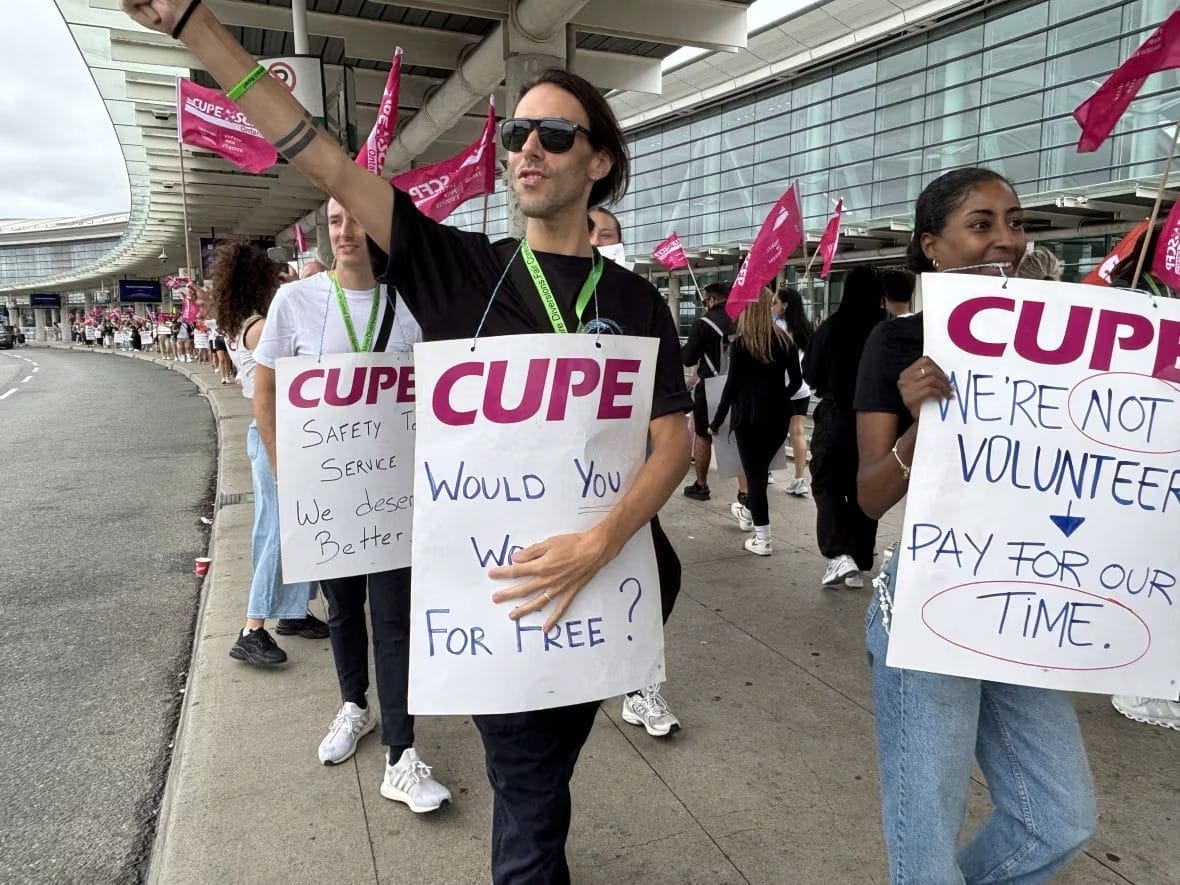
The conflict began when CUPE, which represents Air Canada’s flight attendants, declared a strike that caused a major disruption, suspending about 700 daily flights and stranding more than 100,000 passengers. The Canadian government intervened, ordering binding arbitration in an attempt to end the deadlock. However, CUPE has stated it will not comply with the order, citing a violation of their constitutional rights, particularly regarding unpaid labor and what they describe as unfair working conditions.
As a result, Air Canada had to cancel approximately 240 flights scheduled for Sunday, August 17, 2025. The airline has announced that it plans to resume limited operations by Monday evening, but the airline’s ability to manage these flights without its flight attendants remains unclear.
The Union’s Stance and Public Backlash
CUPE has spoken out against the government’s decision to intervene, accusing federal labor minister Patty Hajdu of siding with Air Canada. The union is especially upset that the government imposed binding arbitration before allowing workers to negotiate further. CUPE’s statement highlights that many flight attendants feel disrespected, as 70% of them, who are women, must work unpaid hours during their shifts.
Lillian Speedie, vice-president of CUPE Local 4092, expressed frustration with the situation: “To legislate us back to work 12 hours after we started? “Snowstorms have shut down Air Canada longer than we were allowed to strike,” Speedie said during protests outside Toronto Pearson International Airport.
Government Involvement and Labour Expert Analysis
The government’s intervention under Section 107 of the Labor Code has raised questions about its role in labor disputes. Labour expert Steven Tufts from York University weighed in, suggesting that Air Canada has become overly reliant on government intervention to resolve its labor relations issues, citing a similar scenario with the airline’s pilot union in 2024. Tufts emphasized that Air Canada needs to engage more constructively in bargaining instead of expecting governmental intervention every time there is a stand-off.
The union has expressed strong opposition to arbitration, preferring to resolve the dispute through direct negotiation with the airline. They argue that the decision sets a dangerous precedent that could erode workers’ rights to fair bargaining.
Customer Impact and Next Steps
The strike continues to disrupt thousands of passengers’ travel plans.Air Canada urges affected customers to check their flight status before heading to the airport, as many flights remain uncertain. The airline offers refunds and rebooking options for passengers with canceled flights, though availability may be limited during the peak summer season.
The two sides will return to the bargaining table this week, but tensions remain high, and it’s unclear how quickly they will reach a resolution.
More…


