Carney Scraps EV Mandate: New $5,000 Rebate Details (2026)
Prime Minister Mark Carney just overhauled the nation’s automotive approach. This move aims to secure the Canada economy against global trade shocks and declining production numbers. The government plans to replace strict mandates with consumer rebates and heavier infrastructure investment. This strategy targets both the manufacturing floor in Windsor and the driveway of the average commuter. Here is the breakdown of this massive shift in industrial policy and what it means for your wallet.
Breaking Down the New Industrial Strategy
The federal government is pivoting away from forcing electric vehicle (EV) sales. They are moving toward incentivizing them instead. This change acknowledges a hard truth. The Canada economy relies heavily on the U.S. market. Over 90% of our vehicles go south of the border. We need a system that survives trade volatility.
To support this, Ottawa will deploy a $3 billion Strategic Response Fund. This money helps manufacturers adapt to new market demands. It also includes up to $100 million specifically for tariff responses. This financial backing aims to keep factories running even when international trade relations get rocky.
The Return of EV Rebates
Affordability remains the biggest hurdle for drivers. The new strategy tackles this directly. The government launched a five-year EV Affordability Program. This initiative puts money back in the pockets of buyers.
You can now get a rebate of up to $5,000 for battery electric vehicles. Plug-in hybrids qualify for up to $2,500. This applies to vehicles with a transaction value under $50,000. But there is a twist that helps local workers. If you buy a Canadian-made EV, that price cap does not apply. This encourages you to buy local and supports domestic jobs.
Scrapping the Sales Mandate
The government repealed the controversial Electric Vehicle Availability Standard. This rule previously required 60% of all new cars sold to be electric by 2030. Many industry experts felt this target ignored consumer readiness.
Ottawa replaced this mandate with tougher greenhouse gas emission standards. The goal is now 75% EV sales by 2035 and 90% by 2040. This approach gives automakers flexibility. They can use a mix of technologies to meet the standards. It focuses on the outcome rather than the method.
Impact on Manufacturing and Jobs
The Canada economy cannot thrive if our factories sit empty. Vehicle production dropped from 2.3 million in 2016 to over 1.2 million in 2025. This decline threatens over 500,000 jobs across the sector. The new strategy attempts to reverse this trend.
Investment in Windsor and Beyond
Windsor remains the heart of the nation’s auto industry. Locals view the return of rebates as a win for production lines. Union leaders and workers see this as a necessary step to secure employment. The strategy includes a new Work-Sharing grant. This protects employees during downturns and prevents layoffs.
A new workforce alliance will also launch. It connects industry and labour partners to solve training bottlenecks. The government committed $570 million to help reskill up to 66,000 workers. This ensures the labour force is ready for the high-tech demands of modern auto manufacturing.
The China Factor and Trade Partnerships
Canada signed a new strategic partnership with China. This deal allows a fixed volume of Chinese EV imports. It also encourages Chinese joint venture investments here. This move has sparked debate regarding national security and local competition.
However, the government argues this diversifies our trade partners. We recently signed a similar memorandum with South Korea. These partnerships aim to reduce our reliance on a single market. It forces the Canada economy to stand on multiple pillars rather than just one.
Infrastructure and Future Outlook
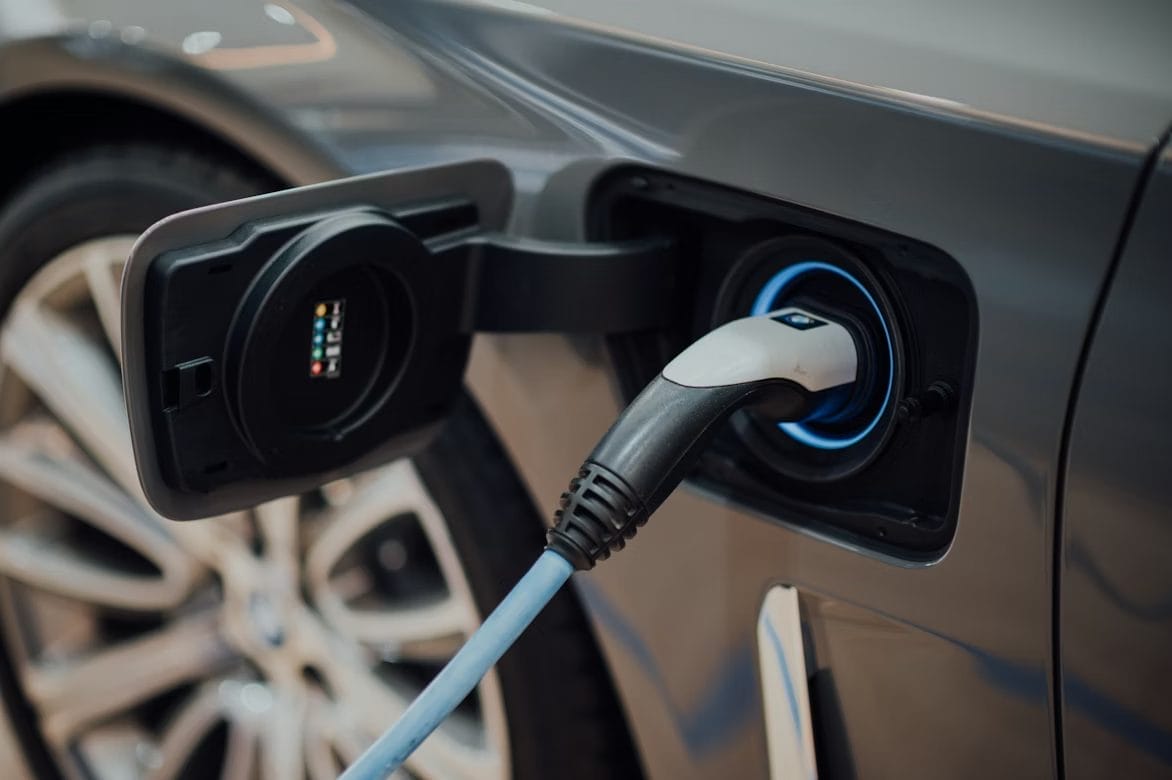
You cannot drive an electric car if you cannot charge it. Range anxiety stops many Canadians from making the switch. The new plan addresses this “chicken-and-egg” problem head-on.
Solving the Charging Station Shortage
The Canada Infrastructure Bank will invest $1.5 billion into the Charging and Hydrogen Refueling Infrastructure Initiative. This funding expands the national network. Experts estimate we need 250,000 charging ports by 2035. We currently have around 34,000. Closing this gap is essential for mass adoption.
This investment supports the private sector. Companies hesitate to build chargers without cars on the road. Drivers hesitate to buy cars without chargers. This funding breaks that cycle. It builds the foundation for a functional electric network.
What This Means for Canadian Consumers
This strategy represents a gamble on market mechanics over government mandates. It bets that lower prices and better infrastructure will drive sales naturally. For the consumer, the immediate benefit is clear. The $5,000 rebate makes your next vehicle purchase cheaper.
The broader goal is stability. By supporting the manufacturing sector, the government hopes to keep the Canada economy robust. Whether this execution matches the ambition remains to be seen. But for now, the path forward involves more carrots and fewer sticks.
Related Reads: