Japan Cherry Blossom Festival Cancelled: The Overtourism Crisis in Fujiyoshida
The 2026 cherry blossom season in Japan has hit a major snag before the first petal has even fallen. Authorities in Fujiyoshida, a city famous for its breathtaking views of Mount Fuji, have officially cancelled their annual cherry blossom festival at Arakurayama Sengen Park. The decision comes after the city’s mayor declared a “sense of crisis” over unmanageable crowds and unruly tourist behavior that has threatened the safety and dignity of local residents.
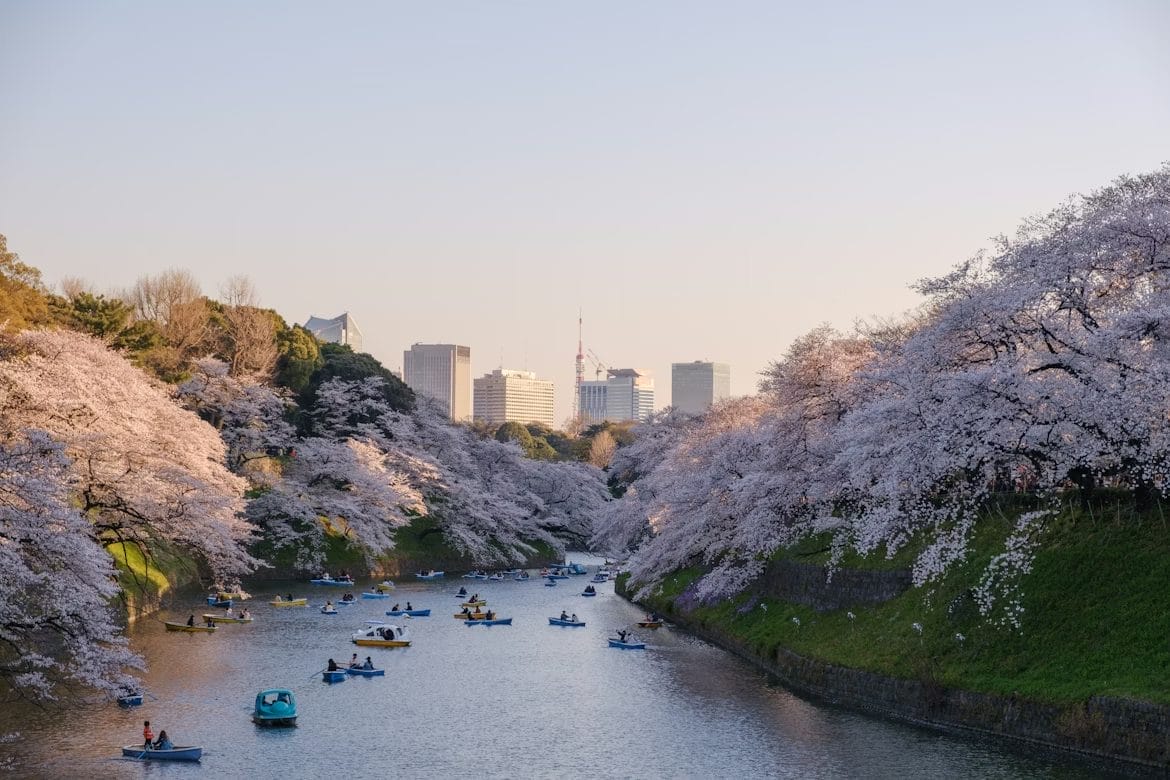
A “Crisis” in Fujiyoshida: Why the Festival Was Scrapped
For years, the Arakurayama Sengen Park Cherry Blossom Festival has been a bucket-list event, drawing nearly 200,000 visitors annually. However, on Tuesday, Fujiyoshida officials announced that the 2026 festival—originally scheduled for April—will not take place. While the park itself remains open to the public, the official event, including parking coordination, shuttle buses, and promotional activities, has been terminated.
The cancellation isn’t just about overcrowding; it is a direct response to dangerous and disrespectful behavior from a minority of tourists that has disrupted the daily lives of the local community.
The Mayor’s Statement and “Unmanageable” Behavior
In a candid statement, Fujiyoshida Mayor Shigeru Horiuchi expressed deep concern for his constituents. “Behind [Mount Fuji’s] beautiful landscape is the reality that the quiet lives of citizens are threatened,” Horiuchi stated. “We have a strong sense of crisis.” He added that the decision to “bring the curtain down” on the decade-old festival was made to “protect the dignity and living environment of our citizens.”
The city reported a litany of specific grievances that led to this drastic measure. According to The Guardian, authorities cited repeated incidents of tourists opening the doors of private homes to use restrooms, trespassing on private property to get better camera angles, and littering. Perhaps most shockingly, officials reported instances of tourists “defecating in private yards” and becoming aggressive when residents confronted them.
The Instagram Effect: Arakurayama Sengen Park
To understand the magnitude of the crowds, you have to look at the location itself. Arakurayama Sengen Park offers one of Japan’s most iconic “Instagrammable” shots: the five-story Chureito Pagoda framed by cherry blossoms, with the majestic snow-capped Mount Fuji in the background.
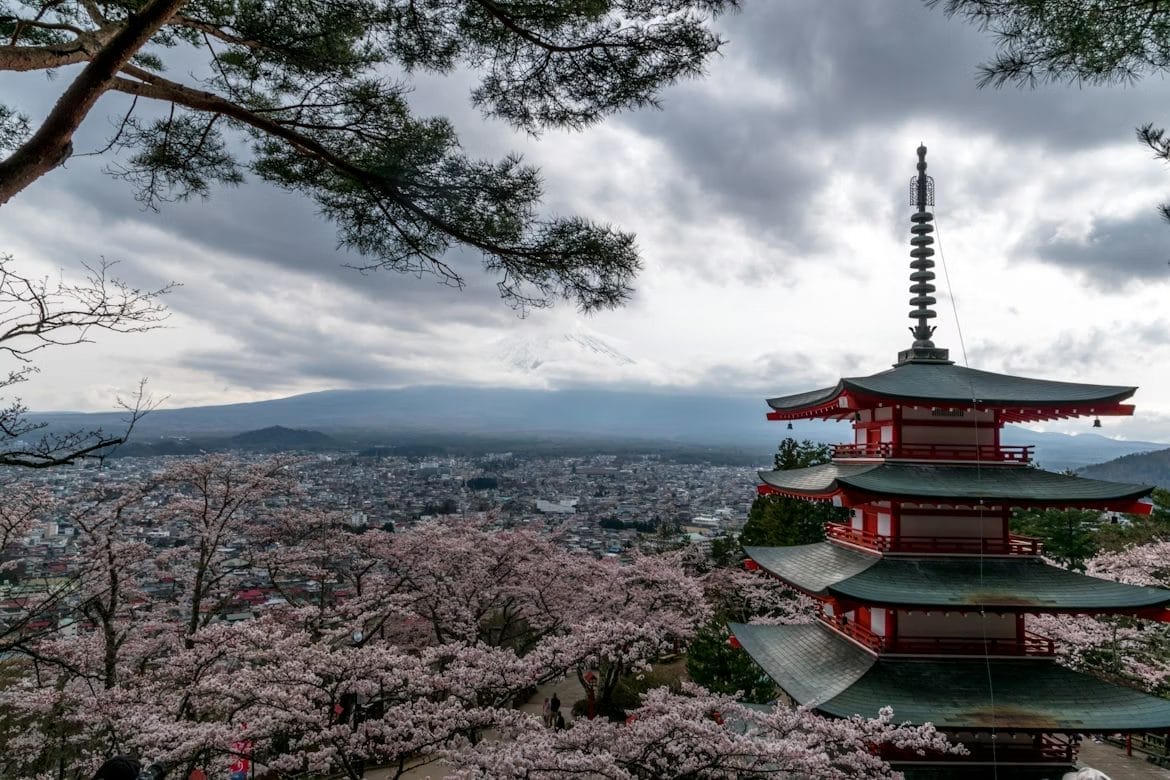
The View That Broke the Town
This single image has become synonymous with travel to Japan on social media, fueling an “explosive popularity” that the small town was never designed to handle. During peak blossom season, the town of Fujiyoshida sees up to 10,000 visitors per day.
The surge in visitors often results in queues that stretch for hours just to access the observation deck. Residents have reported chronic traffic congestion that blocks local roads, and parents have voiced fears about children being pushed off sidewalks on their way to school by the sheer volume of pedestrians.
Japan’s Tourism Boom: The Numbers Behind the Crowd
This cancellation is a symptom of a much larger trend affecting Japan. The country is currently experiencing a historic tourism boom, driven largely by a historically weak yen which makes travel significantly cheaper for foreign visitors.
Record-Breaking Visitors and the Weak Yen
In 2025, Japan welcomed a record-breaking 42.7 million tourists, surpassing the previous year’s record. While this influx has been an economic boon, it has strained infrastructure in popular destinations.
Fujiyoshida is not alone in its struggle. Nearby Fujikawaguchiko made headlines in 2024 when officials erected a large black screen in front of a Lawson convenience store to stop tourists from blocking traffic to get photos of Mount Fuji. Similarly, Kyoto has had to implement bans on photography in private geisha districts to protect the privacy of traditional entertainers.
Travel Tips: How to Visit Responsibly (and Where Else to Go)
If you are planning to visit Japan this spring, this news does not mean you have to cancel your trip. However, it does serve as a stark reminder that responsible tourism is non-negotiable. The Arakurayama Sengen Park remains accessible, but visitors should expect reduced amenities and increased security.
Etiquette for the Conscientious Traveler
- Respect Private Property: Never enter a private yard, driveway, or home for a photo or a shortcut.
- Use Public Facilities: Plan your restroom breaks. Use designated public toilets at train stations or convenience stores; never ask to use a resident’s private bathroom.
- Pack Your Trash: Public trash cans are rare in Japan. Carry a small plastic bag to hold your garbage until you return to your hotel.
- Keep the Noise Down: Residential neighborhoods in Japan are quiet. Keep your voice low and avoid blocking sidewalks.
Alternative Spots to Avoid the Crush
If you want to enjoy Mount Fuji and cherry blossoms without the intense crowds of Fujiyoshida, consider these alternatives:
- Fuji Shibazakura Festival: Located near Lake Motosuko, this festival features vast fields of vibrant pink moss phlox (shibazakura) with Mount Fuji as the backdrop. It typically runs from mid-April to late May, offering a longer viewing window than the cherry blossoms.
- Lake Kawaguchiko North Shore: While still popular, the walking paths along the northern shore of Lake Kawaguchiko offer more space to spread out than the narrow steps of the Chureito Pagoda. The trees here usually bloom in early to mid-April.
- Oshino Hakkai: This traditional village famous for its clear spring ponds offers beautiful cherry blossom views, though it can also get busy during midday. Visit early in the morning (before 9:00 AM) for a peaceful experience.
Related Reads: