FDA Bans Red Dye No. 3: What You Need to Know
The U.S. Food and Drug Administration (FDA) has officially banned red dye No. 3, a synthetic color additive used to give foods, beverages, and medications a cherry-red hue. The decision, announced on January 15, marks a significant step toward addressing public health concerns tied to the additive.
A Long Time Coming
The FDA’s action comes over 30 years after studies linked red dye No. 3 to cancer in lab animals. Advocacy groups, including the Center for Science in the Public Interest (CSPI) and the Environmental Working Group (EWG), petitioned for the ban in 2022. California led the way in banning the dye within the state in October 2023.
It’s worth nothing that it is also banned in cosmetics in the U.S. and in foods across the European Union, Australia, and New Zealand.
Key Compliance Deadlines
The FDA has given manufacturers until:
- January 15, 2027: To reformulate food products.
- January 18, 2028: To remove red dye No. 3 from ingested drugs.
Imported foods must also meet these standards before entering the U.S. market.
Products Impacted by the Ban
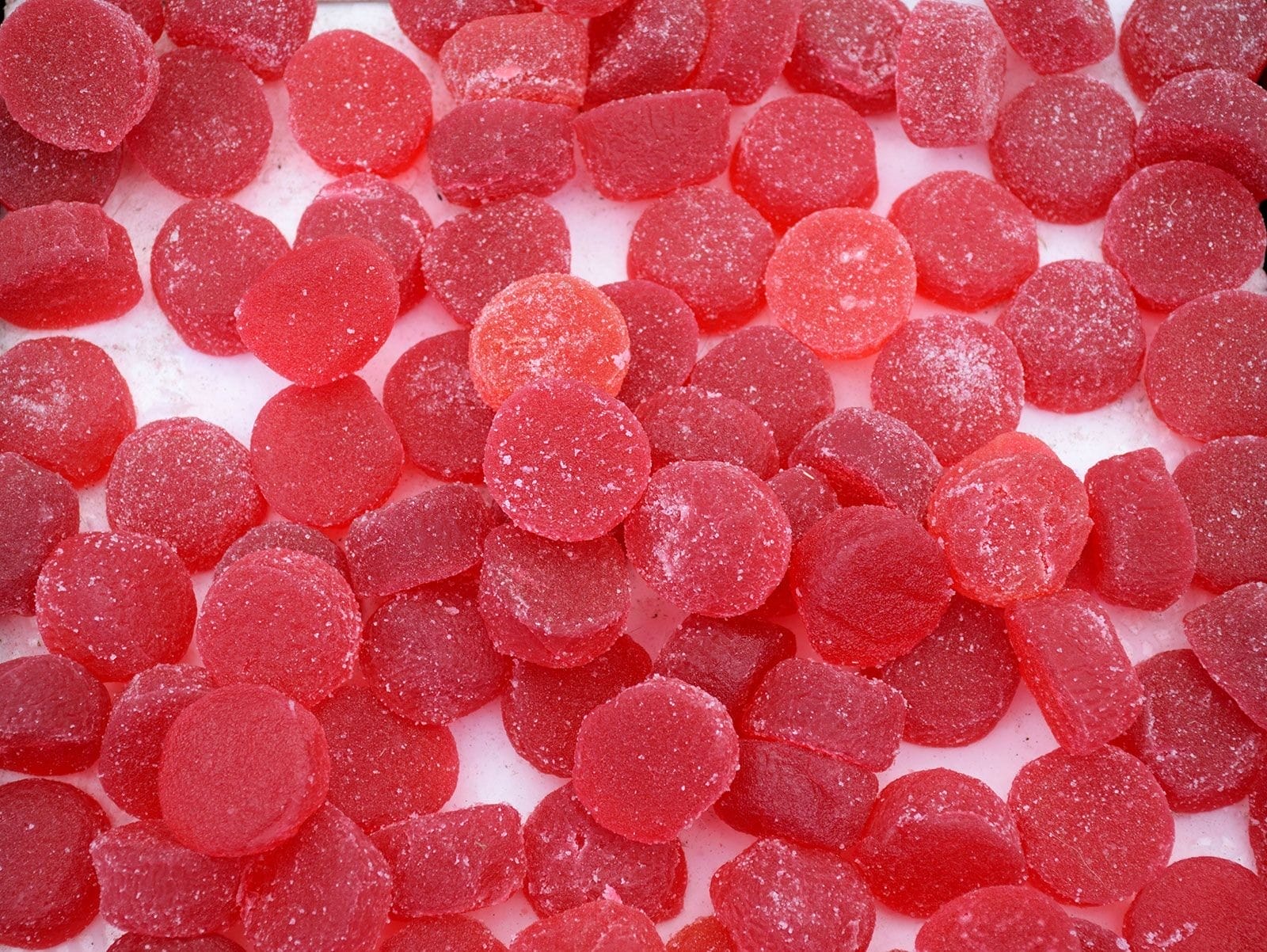
Red dye No. 3 is found in numerous candies, snacks, beverages, and medications. Notable items include:
- Candies: Brach’s Candy Corn, Pez, and Valentine’s Day conversation hearts.
- Desserts: Fruit-flavored pastries, red-iced cookies, and frozen treats.
- Beverages: Strawberry-flavored drinks and milk.
- Medications: Cough syrups and gummy vitamins.
Some companies, such as Ferrara and Just Born (makers of Peeps), have already phased out the dye.
Health Concerns and Public Response
While the food color exposure levels in humans are generally low, studies on male rats showed carcinogenic effects at high doses. Additional research has linked synthetic dyes, including red dye No. 3, to potential behavioral issues in children, such as hyperactivity and attention difficulties.
Parents and health advocates have long campaigned for the removal of synthetic dyes from foods, citing concerns over their impact on children’s behavior and health. Many families have already avoided products containing red dye No. 3 by reading ingredient labels.
Expert Opinions
“This decision is long overdue,” said Ken Cook, president of EWG. “It’s a monumental win for consumer health.”
Dr. Jennifer Pomeranz of NYU’s School of Public Health echoed this sentiment, emphasizing that the FDA’s mandate under the Delaney Clause prohibits carcinogenic substances in food, regardless of human-specific data.
However, some industry groups, such as the International Association of Color Manufacturers, argue that no credible safety concerns justify the ban.
Looking Ahead
With the FDA ban, U.S. food safety regulations take a step closer to European standards, which emphasize the precautionary principle. Public health experts continue to advocate for further action against synthetic dyes, including red dye No. 40, which is already banned in California public schools.
What Consumers Can Do
Until the ban takes full effect, consumers can take the following steps to limit their intake:
- Check ingredient labels for terms like “FD&C Red No. 3” or “erythrosine.”
- Choose natural alternatives, such as foods colored with beet or carrot extracts.
- Consult your doctor for dye-free medication options.
For families, reducing reliance on ultra-processed foods is another effective way to avoid synthetic dyes.
The FDA’s decision to ban red dye No. 3 represents a victory for public health advocacy and consumer safety. While the transition period extends through 2028, this action signals meaningful progress toward cleaner, safer food products for Americans.
More…
- https://www.heraldtribune.com/story/news/2025/01/16/fda-bans-red-dye-3-cancer-foods-drinks-florida/77740121007
- https://edition.cnn.com/2025/01/15/health/red-dye-no-3-ban-fda-wellness/index.html
- https://www.yahoo.com/lifestyle/fda-announces-ban-on-red-dye-no-3-heres-what-to-expect–and-why-some-families-already-avoid-the-food-coloring-145501169.html