
Stellantis Warns of $3.7B Loss Due to U.S. Tariffs—Canadian Plants at Risk
Automaker Stellantis, the global company behind brands like Jeep, Ram, Fiat, and Chrysler, has warned of a $3.7 billion CAD net loss for the first half of 2025. The loss is largely driven by U.S. import tariffs, restructuring costs, and compliance charges — a combination now threatening the company’s Canadian operations in Windsor and Brampton, Ontario.
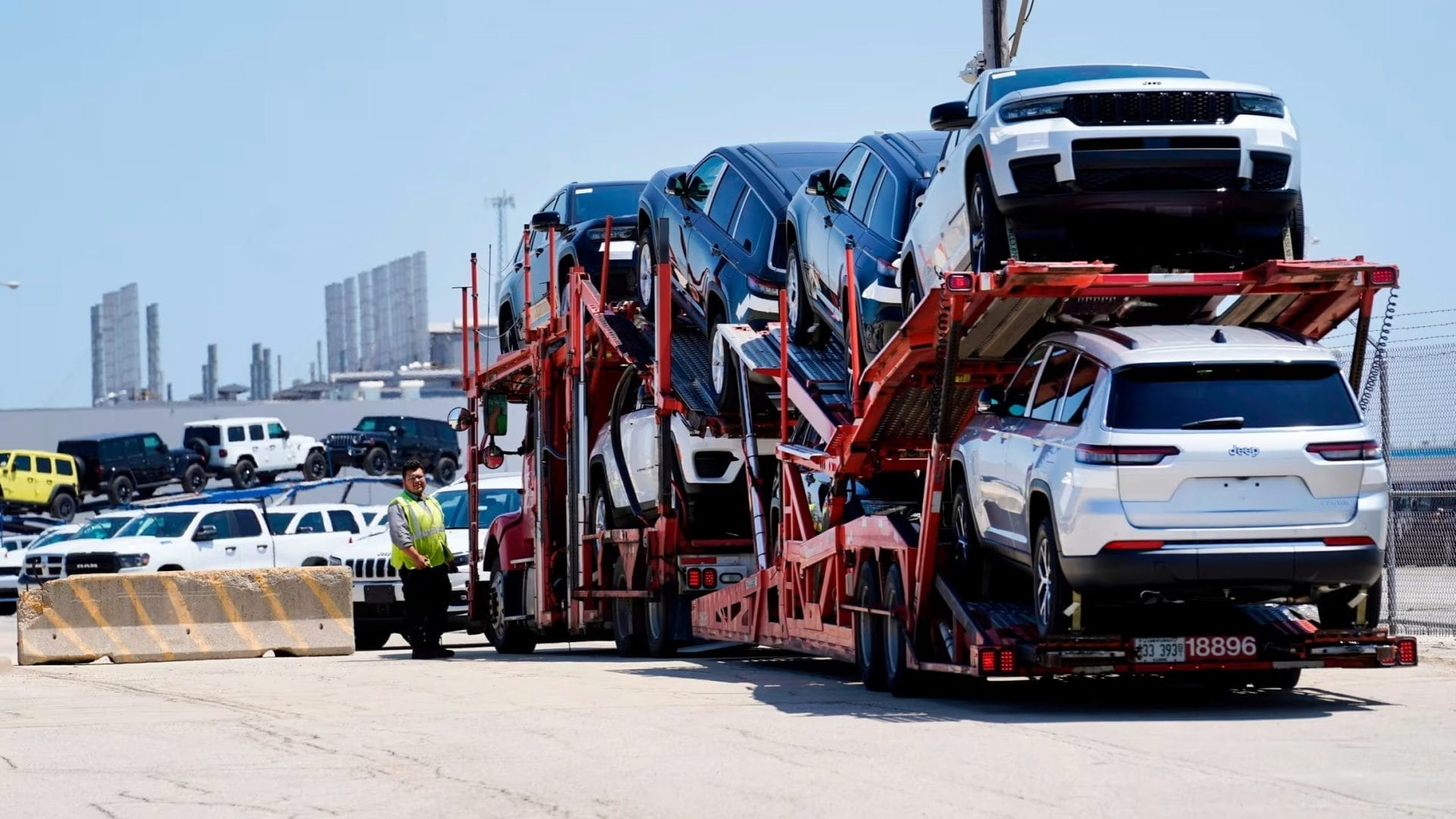
Tariffs and Charges Push Stellantis into the Red
The loss includes approximately €300 million (around $480 million CAD) from direct U.S. tariffs. Stellantis also cited another €3.3 billion (roughly $5.3 billion CAD) in pre-tax charges due to:
- Program cancellations
- Platform impairments
- Restructuring efforts
- Changes to emissions penalty legislation
The automaker reported that North American shipments dropped 25% in Q2 compared to the same period in 2024, reflecting both production cuts and shipment delays due to the tariffs.
Canadian Auto Industry Could Take a Major Hit
Flavio Volpe, President of the Automotive Parts Manufacturers’ Association (APMA), voiced urgent concerns for the Windsor and Brampton Stellantis plants. These Ontario facilities — key employers in their regions — may not survive prolonged tariff pressure.
“Those two plants can’t survive the tariff,” Volpe said. “The company can survive. The plants can’t.”
The Brampton plant, already idle with no new model assignments, supports about 3,000 direct jobs and 9,000 supplier jobs. The Windsor plant, which builds the Pacifica minivan, is already experiencing rolling shutdowns. Without policy relief, both locations face an uncertain future.
Political Policy Sparks Global Industry Disruption
The current 25% tariff on imported vehicles was introduced by the Trump administration in April 2025. Intended to boost American car manufacturing, the tariffs have instead disrupted global supply chains and forced major automakers like Stellantis to restructure operations, pause production, and lay off hundreds.
In March, Stellantis shut down plants in Windsor and Toluca, Mexico, temporarily affecting production lines and U.S.-based employees. The automaker also delayed the Canadian-made 2026 Dodge Charger R/T, further impacting operations north of the border.
Industry Outlook Remains Volatile
Stellantis suspended formal financial guidance in April but released preliminary figures this week to address speculation about company performance. The automaker emphasized the need for rapid adaptation and cited upcoming cost-saving measures and long-term strategy revisions under new CEO Antonio Filosa.
Still, the near-term consequences for Canadian workers and suppliers are troubling. As Volpe put it bluntly: “Stellantis can’t fight the White House and the market at the same time.”
Should the Canadian government push harder to protect auto jobs from U.S. tariff fallout? Share your thoughts below.
More…


