How F1 2025 Rule Changes Could Impact the Championship Battle
The Formula 1 2025 season will bring a fresh batch of rule changes that will shake up the championship battle. From the scrapping of the fastest lap bonus to new restrictions on testing, driver cooling systems, and even rookie hopefuls, these changes are going to impact how teams go about contesting individual races and the entire season. Let’s examine the most significant rule changes in 2025 and how they could change the F1 championship race dynamics.
How F1 2025 Rule Changes Could Impact the Championship Battle
Removal of The Fastest Lap Point
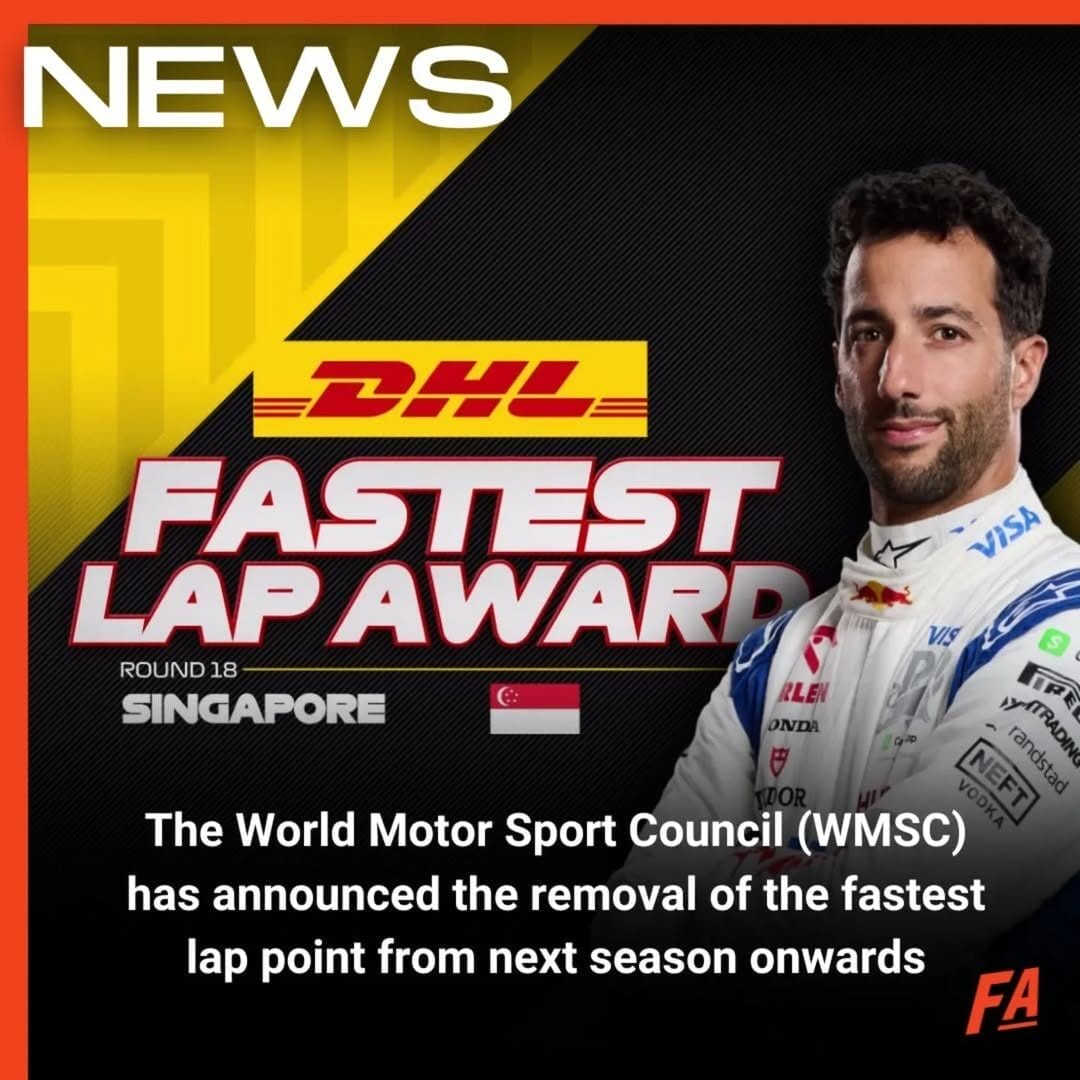
Starting in 2019, the fastest lap driver finishing in the top 10 earned an extra point. This motivated aggressive driving, fresh tire stops, and late-race battles. Recently, teams have stopped for tires late, even when the result was already clear.
One major controversy in Singapore last year was Daniel Ricciardo’s tire change, which denied Lando Norris a bonus point. Norris was battling Max Verstappen for the championship. Ricciardo raced for Racing Bulls, a lower-tier team under the same group as Red Bull. This year, they abolished the bonus point rule.
Driver Cooling Systems
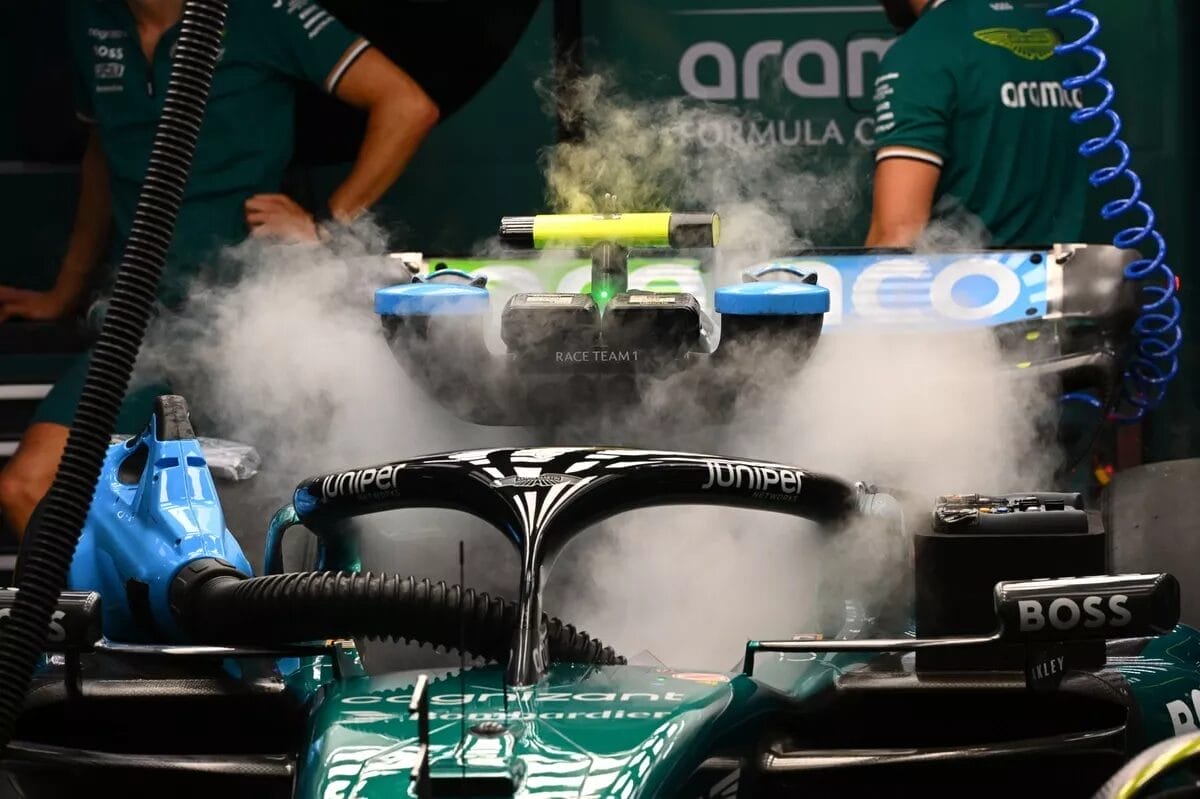
During the 2023 Qatar Grand Prix, drivers nearly passed out and protested the extreme heat. Moving forward, teams will be notified to add a battery-powered cooling vest whenever temperatures exceed 30.5°.
Since there are increasingly more races in such extreme heat, this system will help the drivers physically.
Minimum Car Weight Increased to 800kg
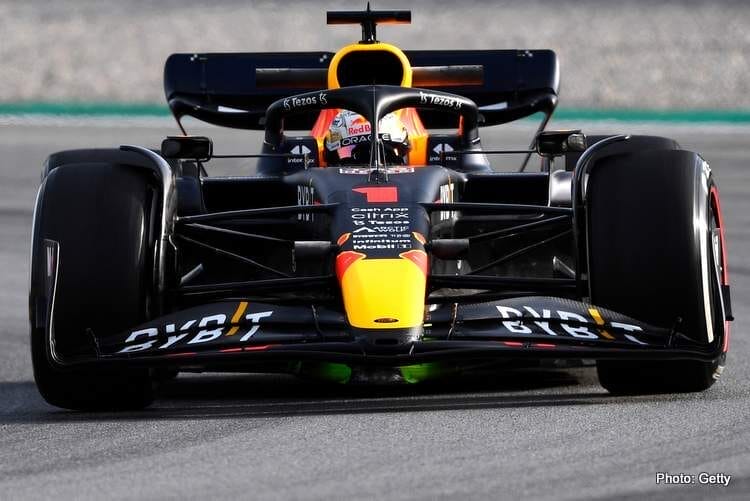
As a consequence for the introduction of the new cooling system, the minimum weight of the vehicles was increased 2kg from 798 kg to 800 kg. It appears like nothing compared to the size and the weight, but every detail in a Formula 1 World.
Limits to Race Driving Testing Old Cars
Teams used cars which were a year or two old to run tests in the past, but in 2025 they will be limited to 20. Moreover, the mileage limit will be 1000km, distributed over a maximum of 4 days. This is being done to promote more balance and to prevent the wealthiest teams, such as Ferrari, Red Bull and Mercedes, from getting a benefit.
More Running for Rookies
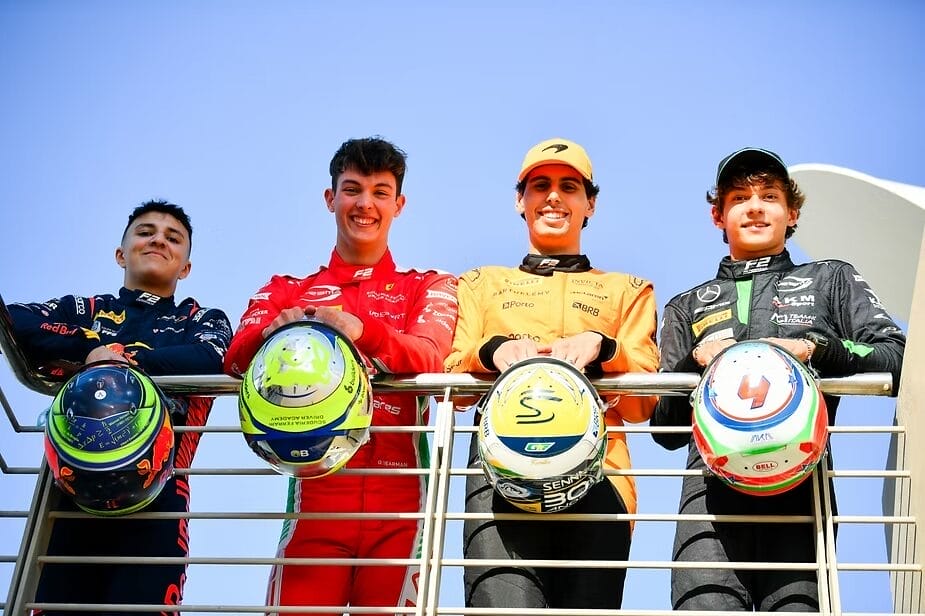
Until last year, the rookies were only allowed to drive a driver’s car once a season in FP1. Since 2022, though, teams have been required to provide at least once a car in each car twice overall for a season. Starting this season, however, that’s been doubled to twice per car.
DRS Restrictions and Wing Deflections
The FIA has tightened rear wing and DRS rules, allowing only two states: open and closed. This prevents teams from gaining advantages through flexible parts. They will also limit flexing in the slot area to 10–30 Newtons. Starting from the Barcelona Grand Prix, front wing flexibility will be capped at 33%. This change could impact Red Bull, as their cars have historically used more flexible aerodynamics.
2026 Dilema
The F1 rules are being redesigned for 2026. The cars will be 30 kg lighter and the electric power will rise by almost 300%, to make them greener, along with some other important modifications. Because of this, teams will need to spend a great amount of money in order to be competitive for next year. At the same time, they cannot ignore this year’s car if they are to stand any hope of the championship.
At the end the teams still need to fit under the FIA’s budget cap. It’s a tricky balancing act for teams to manage, especially McLaren, Ferrari, Red Bull, and Mercedes.
With all the F1 2025 rule changes, the teams will need to adapt quickly in order to be competitive. The removal of certain benefits, including the fastest lap point, as well as new limits on testing and aerodynamics, levels the playing field, but also brings with it new challenges. For the drivers, the added safety features like cooling systems can impact performance, especially in those hot and sunny races. And in the future, the evolving rule set between now and 2026 will force teams to walk a fine line between this year’s car and the future, all on a budget. One thing is for sure: the 2025 season is going to be one of the most fascinating yet! Can´t wait until March 14!
More:
- https://motorcyclesports.net/six-new-f1-rules-you-need-to-know-about-for-2025/
- https://www.formula1.com/en/latest/article/from-fastest-lap-to-increased-rookie-running-7-rule-changes-you-need-to-know.pgdSMDnDyv1aJUgtcKPp6
- https://www.motorsport.com/f1/news/the-new-rules-dilemma-that-will-define-the-2025-f1-season/10685532/
- https://www.overheretoronto.com/the-2025-formula-1-calendar-explained-races-sprints-and-key-changes/