Ontario Cuts Alcohol Taxes and LCBO Markups – What It Means for You
Major changes to Ontario’s alcohol pricing system took effect on August 1. It marks the biggest alcohol tax cut in decades. The reforms were announced through the 2025 budget. The goal is to support local producers—especially craft brewers, cider makers, and distilleries. The changes may also lead to lower prices for consumers.
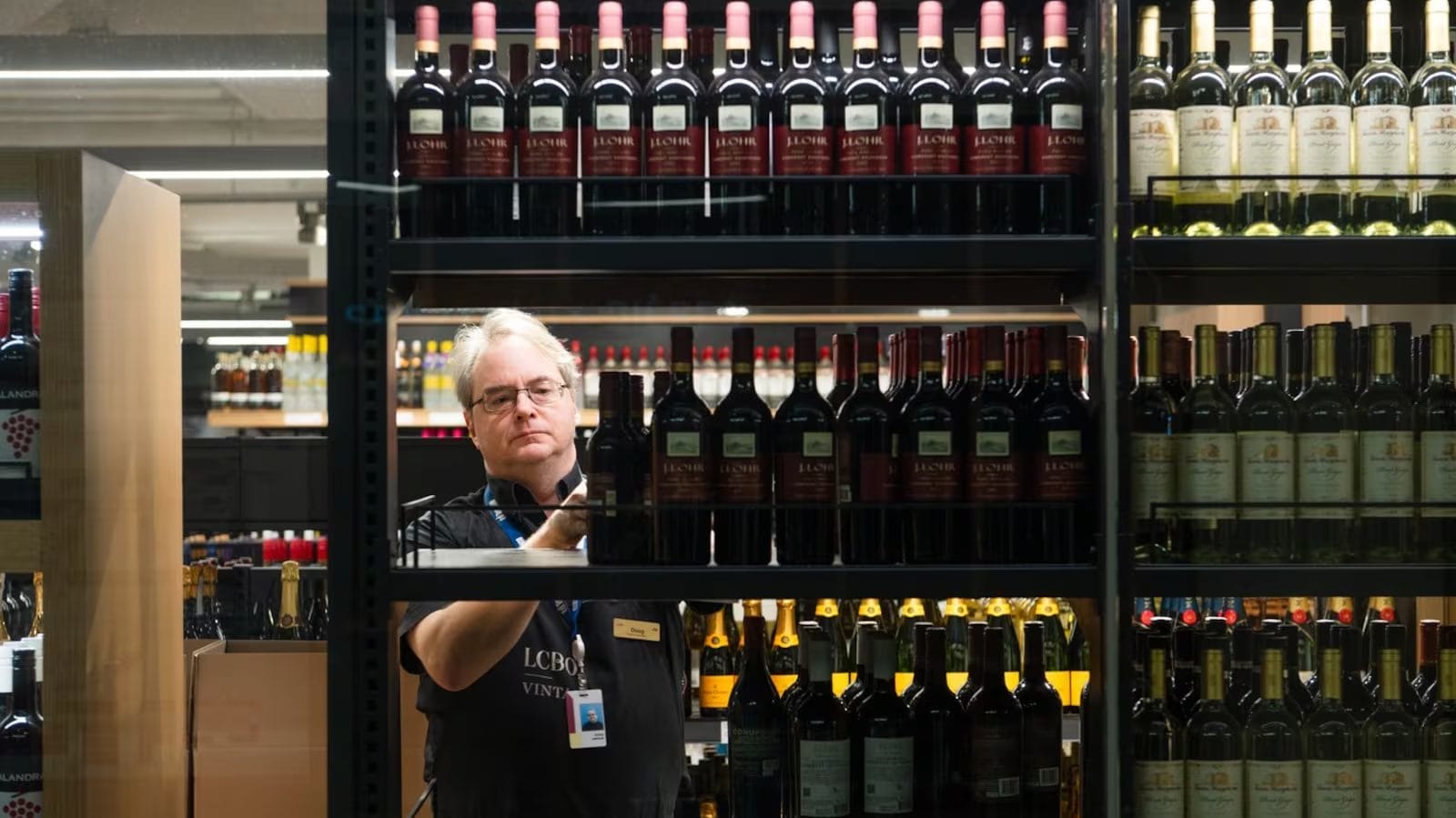
What’s Changing for Ontario’s Alcohol Market?
The key reforms include:
- 50% cut to the spirits basic tax at on-site retail stores
- 50% reduction in the basic tax and LCBO markup on microbrewed beer
- 47% reduction in LCBO markup on cider
- 21–50% reduction in markup for ready-to-drink (RTD) wines and spirits under 7.1% alcohol
Combined, the changes are expected to cost the province $100 million in 2025–26, with funding rising to $155 million in 2026–27.
Why Is Ontario Doing This?
The Ford government framed the cuts as a response to rising U.S. trade pressure and tariffs, especially on alcohol and agri-products. The Ministry of Finance said the move isn’t just about lowering prices. It’s also about protecting and growing Ontario’s beverage industry in a changing global market.
“This is the largest tax cut to the alcohol industry in decades,” said a ministry spokesperson. They pointed to the need to shield local producers from the impact of President Trump’s renewed tariff threats.
What It Means for Craft Brewers
The changes were warmly welcomed by local brewers across the province. Troy Burtch of Great Lakes Brewery called it a “relief line,” giving struggling producers a chance to reinvest in their businesses.
Scott Simmons, President of Ontario Craft Brewers, called the reform a “game changer” and a defining moment for the industry. He noted the sector represents 80% of direct brewing jobs in Ontario and believes the tax cut will fuel growth, job creation, and wider availability of local beer.
In Hamilton, Clifford Brewing and Collective Arts Brewing echoed that sentiment. Owners say that while lower shelf prices may not be immediate, the move will stabilize an industry that has seen closures due to rising costs.
Will Consumers See Lower Prices?
That remains unclear. LCBO markups are dropping—on some ready-to-drink spirits, from 97% to about 48%. But the final retail price depends on producers and retailers.
Some may pass savings on to customers. Others plan to reinvest in equipment, staffing, or sustainability efforts.
Matt Johnston, CEO of Collective Arts Brewing, put it simply: “You may not see cheaper rates, but you will see a more successful, thriving local craft beer community.”
At the very least, customers can expect stable prices—a welcome shift after years of inflation and global supply issues.
Wine Producers Left Out?
While cider and spirits saw relief, traditional wine producers are not major beneficiaries of this round of tax cuts. However, the Ontario Craft Wineries Association acknowledged earlier wins such as the removal of the 6.1% basic wine tax and expansion of the VQA Support Program.
CEO Michelle Wasylyshen stressed the need to remove the LCBO administration fee on restaurant wine sales, calling it an outdated policy that still penalizes small wineries.
Despite that, the current “Buy Canadian” movement continues to present new opportunities for wineries to grow market share.
What Happens Next?
The Ford government says these tax reforms are part of a broader plan to modernize Ontario’s alcohol marketplace. The changes could help Ontario become more self-reliant, protect jobs, and reinforce its growing reputation for quality homegrown beer, spirits, and cider.
While the full impact will unfold over the coming months, one thing is clear: Ontario’s alcohol producers now have a stronger foundation to grow, compete, and thrive.
Do you think these alcohol tax cuts should have included more consumer discounts—or are you more focused on supporting local producers? Let us know below.
More…
- https://globalnews.ca/news/11313675/alcohol-tax-and-lcbo-markup-cuts-pave-way-for-potential-price-drops
- https://www.ctvnews.ca/toronto/article/ontario-cuts-alcohol-taxes-and-lcbo-markups-heres-what-you-need-to-know
- https://www.chch.com/chch-news/hamilton-brewers-say-ontario-alcohol-tax-cuts-will-help-industry-grow