
Rare ‘Double Sunrise’ Partial Solar Eclipse Set for March 29
Skywatchers in the Northeast U.S. and Canada will witness a rare solar sight at sunrise this Saturday. On March 29, 2025, a partial solar eclipse will occur as the sun rises, offering a brief but stunning view of the crescent-shaped sun on the horizon.
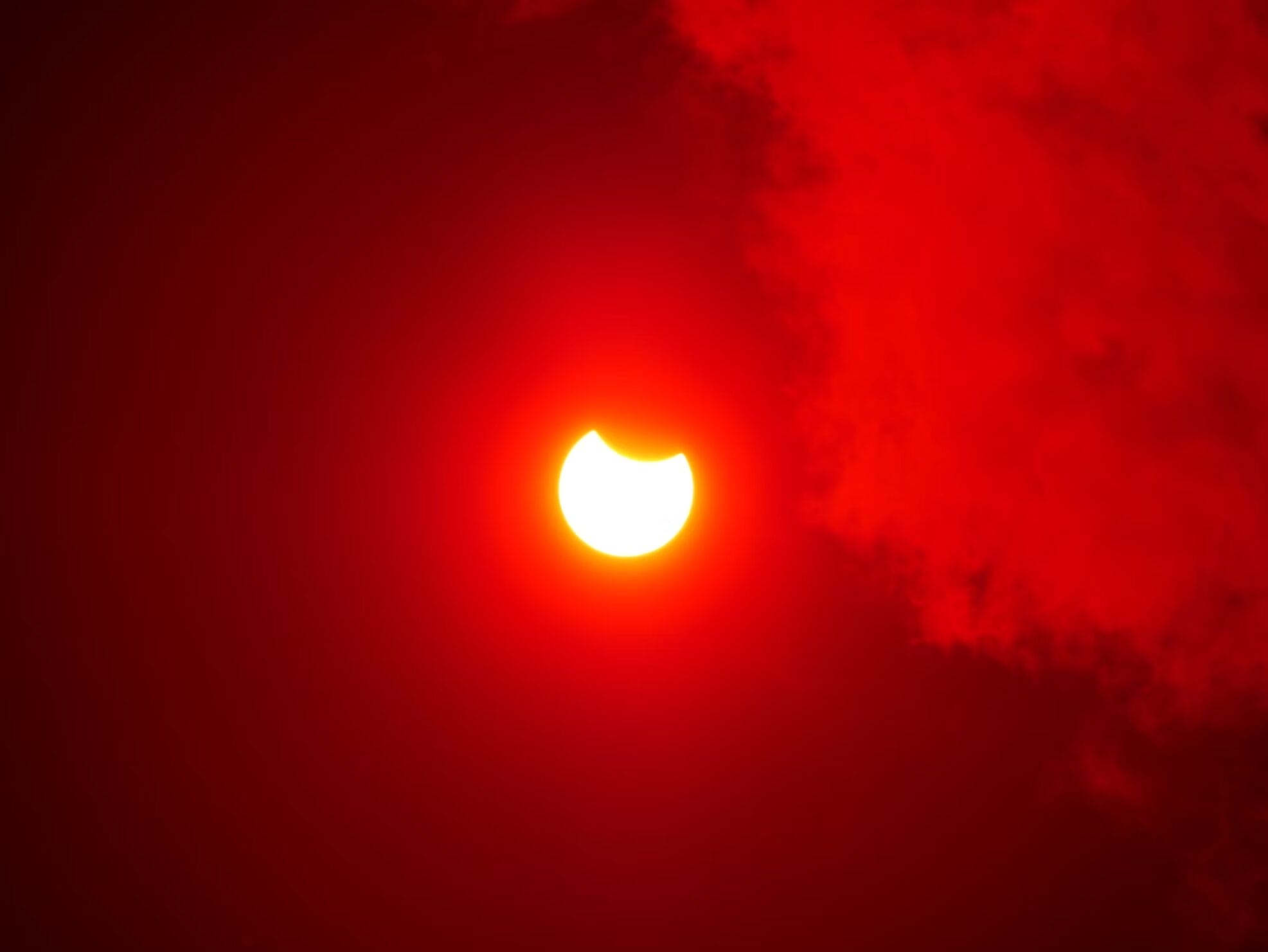
This event follows the total lunar eclipse earlier in March and is the first solar eclipse of 2025. Although it won’t be total, it may be more visually dramatic—especially in parts of Quebec and the Atlantic provinces.
What Is a Partial Solar Eclipse?
A partial solar eclipse happens when the moon passes between Earth and the sun, but doesn’t fully block the sunlight. Instead of complete darkness, viewers see a portion of the sun obscured.
During this event, the moon’s shadow will slightly miss Earth’s center. This creates the striking effect of solar horns—two pointed crescents that appear as if the sun is rising twice. This is known as the “double sunrise” effect.
When and Where To See It
Best Time to Watch
The eclipse will be in progress as the sun rises, making it visible only in areas where sunrise overlaps with the eclipse timeline. For most, the eclipse begins shortly after 5:30 a.m. EDT and lasts until about 8:40 a.m. EDT. Maximum eclipse depends on your location.
Top Viewing Locations
- Nunavik, Quebec: Up to 94% coverage at sunrise
Atlantic Canada: Up to 90% coverage in New Brunswick and Nova Scotia - Ontario (Eastern): Good views in Ottawa, Cornwall, Belleville, and Clarington
- U.S. Northeast: Partial views in Maine, Massachusetts, New Hampshire, and parts of New York and Pennsylvania
City-Specific Viewing Times
- Portland, ME: 6:27 a.m. to 7:10 a.m.
- Boston, MA: 6:31 a.m. to 7:07 a.m.
- New York, NY: 6:44 a.m. to 7:04 a.m.
- Ottawa, ON: Starts 5:30 a.m., peaks before 7:00 a.m.
Use tools like TimeandDate’s interactive eclipse map or Photographer’s Ephemeris to check visibility at your location.
How To Watch the Eclipse Safely

Looking directly at the sun during a partial solar eclipse can cause serious eye damage. Proper eye protection is essential throughout the event.
Safe Viewing Methods
- Eclipse glasses (must meet ISO 12312-2 standards)
- Solar filters for telescopes, binoculars, or cameras
- Pinhole projectors for indirect viewing
- DIY eclipse viewers (great for children)
Check the American Astronomical Society’s list of approved eclipse glasses vendors for safety-certified products. Ordinary sunglasses do not provide enough protection.
What Makes This Event Special?
This eclipse is rare because it coincides with sunrise, producing a visual illusion of two separate “sunrises”. The curved sun appears to rise in sections, creating a crescent or “smiley face” shape on the horizon. Weather permitting, this event offers one of the most photogenic sky scenes of the year.
The last total eclipse—on April 8, 2024—crossed much of North America. The next one visible in North America will take place in August 2026, though only a small part of the continent will see it. A total eclipse won’t return to Canada until March 2033, and only in Alaska.
If you’re in the Northeast U.S. or eastern Canada, set your alarm early on March 29. This brief celestial show won’t last long, but with a clear sky and proper gear, you’ll witness something remarkable.
Plan ahead:
- Check local sunrise and eclipse peak times
- Secure eye protection
- Scout a spot with a clear eastern horizon
This rare “double sunrise” is a reminder of how dynamic and beautiful our skies can be—if we know when and where to look.
More…
- https://www.forbes.com/sites/jamiecartereurope/2025/03/24/rare-double-sunrise-to-dawn-over-northeast-us-and-canada-this-weekend
- https://www.usatoday.com/story/news/nation/2025/03/24/march-solar-eclipse-2025-when-time/82634505007
- https://www.toronto.com/news/march-partial-solar-eclipse/article_ba9a95df-fd26-541a-adf0-2db57a7e42bf.html


