NPR, PBS Facing Shutdown Ripple Effects as Corporation for Public Broadcasting Closes After Defunding
The Corporation for Public Broadcasting (CPB)—the longtime federal funding lifeline for NPR and PBS—will begin shutting down following Congress’s decision to cut $1.1 billion in previously approved funding. The closure, announced on August 1, brings a seismic shift to public media in the United States, jeopardizing the survival of over 1,500 local stations and putting nationally beloved programs in limbo.
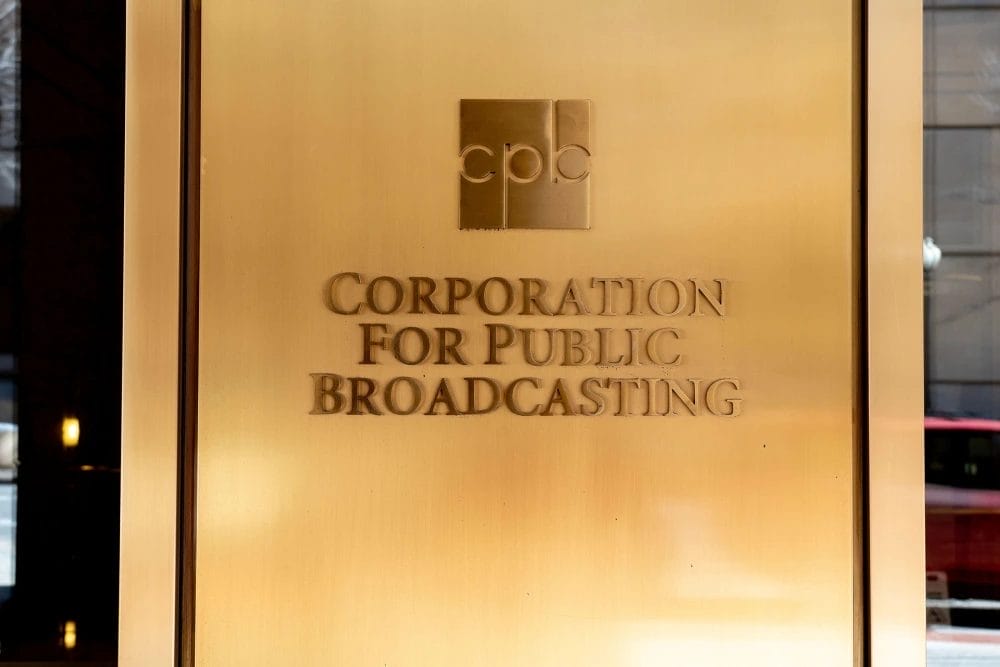
While NPR and PBS are not directly shutting down immediately, the loss of CPB funding creates serious challenges for their locally owned member stations, particularly in rural and underserved communities. These stations rely on CPB funding for operations, staffing, music licensing, and emergency broadcast infrastructure.
CPB to Wind Down by January 2026
CPB President and CEO Patricia Harrison confirmed that most employees will be laid off by September 30, with a small transition team remaining until January 2026. The shutdown comes after the Senate Appropriations Committee excluded CPB from its 2026 budget, marking the first time in over 50 years that CPB funding was not renewed.
“Despite the extraordinary efforts of millions of Americans… we now face the difficult reality of closing,” Harrison said.
Trump Administration Drives Defunding Push
The closure stems from a broader campaign by President Donald Trump, who has long accused NPR and PBS of liberal bias and referred to CPB as a “monstrosity.” His administration requested the spending cuts, claiming public broadcasting does not align with “American values.”
Supporters of CPB argue the opposite—that it plays a vital role in education, civil discourse, cultural preservation, and emergency alerts, especially in regions where commercial media is scarce.
Local Stations and Music Programming in Crisis
CPB distributed 70% of its funding directly to more than 1,500 public radio and TV stations, many of which now face financial uncertainty. NPR stations that rely on CPB grants to pay music licensing fees—especially for classical and jazz formats—may struggle to stay on the air.
Katherine Maher, President of NPR, said the closure is “an immediate consequence” of the defunding effort and warned that listeners across the country will feel the impact.
PBS has not issued a formal statement, but in a recent post, PBS NewsHour confirmed, “We are not going anywhere,” emphasizing its commitment to journalism “without fear or favor.”
Attempts to Save CPB Fall Short
Sen. Tammy Baldwin (D-Wis.) introduced an amendment to restore CPB funding but later withdrew it, acknowledging slim chances of reversing the cuts in time. Meanwhile, Sen. Shelley Moore Capito (R-W.Va.) reiterated that the matter was settled.
The result: a domino effect that weakens not just national outlets like NPR and PBS, but the network of small, independent stations that bring trusted news and educational programming to millions.
Do you believe public broadcasters like NPR and PBS should receive federal support—or should they rely on private funding? Share your thoughts below.
More…