Canada Imposes Tariffs on U.S. Goods After Trump’s Metal Tariffs
The Canadian government has announced new tariffs on $29.8 billion worth of U.S. goods in response to President Donald Trump’s 25% tariff on Canadian steel and aluminum. The move comes as tensions between the two nations continue to escalate, affecting multiple industries and trade agreements.
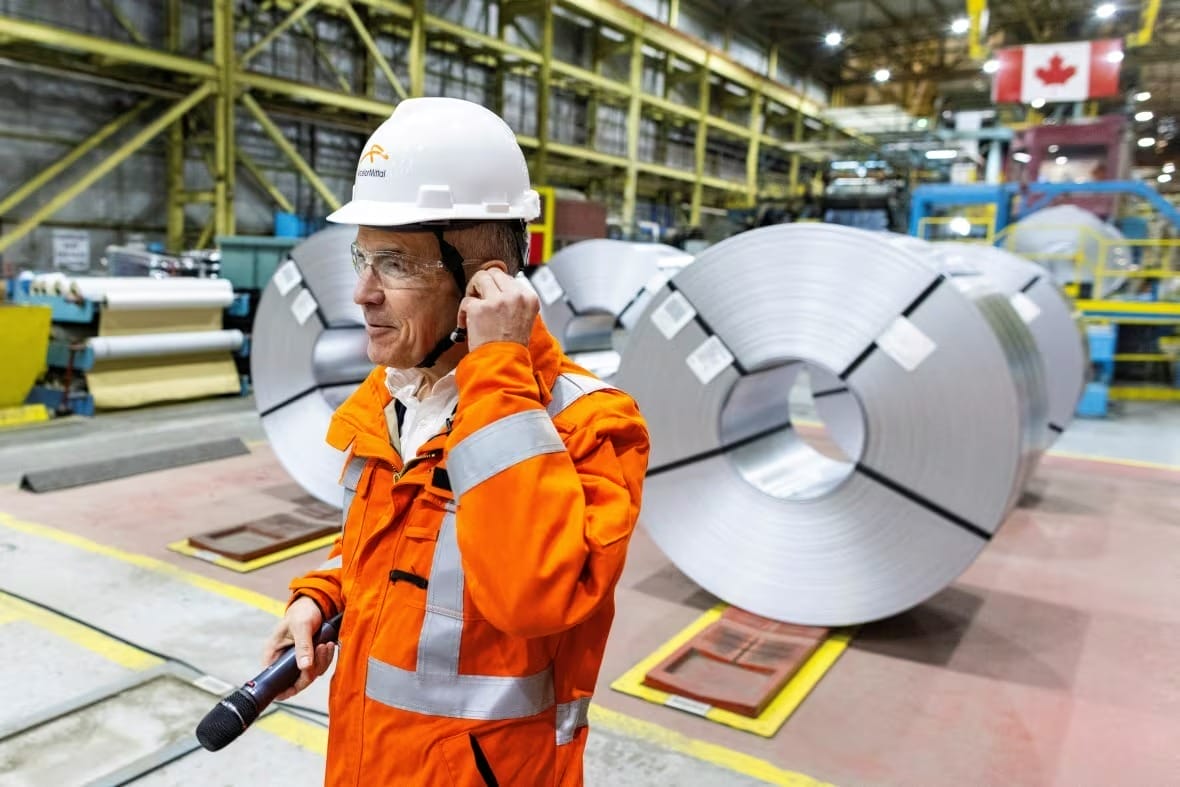
Canada Retaliates Against U.S. Tariffs
Finance Minister Dominic LeBlanc confirmed that Canada’s countermeasures will target U.S.-made steel, aluminum, computers, sports equipment, and cast iron products. The decision follows Trump’s claim that Canadian steel and aluminum imports pose a national security threat.
LeBlanc called the tariffs “unjustified and unjustifiable,” stating that Canada will not allow its key industries to be unfairly targeted. The government intends to protect Canadian jobs and businesses while urging the U.S. to reverse its trade policies.
Impact on Trade and Economy
The Canadian government has already applied 25% tariffs on $30 billion worth of American goods in response to previous trade restrictions. With this new set of tariffs, the total reaches $60 billion. An additional $100 billion in tariffs may be imposed if the U.S. follows through with planned “reciprocal” tariffs on April 2.
Foreign Affairs Minister Mélanie Joly criticized the justification for these tariffs, stating that the U.S. is using economic pressure as part of its broader strategy, including threats of annexation.
Trump’s Tariff Strategy and Its Effects
President Trump’s decision to impose tariffs on Canadian metals follows previous trade disputes, including those regarding border security, drug trafficking, and economic policies. Canadian officials argue that these tariffs will drive up the cost of materials for U.S. manufacturers and consumers.
Industry Minister François-Philippe Champagne emphasized the importance of Canadian steel in the U.S. economy, noting that 60% of U.S. aluminum imports come from Quebec alone. It could lead to supply shortages, job losses, and increased prices for American businesses.
Reactions from Businesses and Officials
Canadian businesses fear the impact of these escalating trade measures. Matt Walker, President of the Canada Metal Processing Group, reported layoffs in Ontario and Quebec, citing uncertainty and rising production costs.
The Canadian Chamber of Commerce warned that these tariffs would slow economic growth and create financial strain on both sides of the border. Meanwhile, major U.S. automakers, including Ford, General Motors, and Stellantis, expressed concerns about increased costs for materials and production.
What’s Next?
Canadian officials, including LeBlanc and Ontario Premier Doug Ford, are set to meet with U.S. Commerce Secretary Howard Lutnick to discuss trade disputes and negotiate possible resolutions. Canada plans to maintain them unless the U.S. reverses its policies.
Joly emphasized that Canada will not compromise its sovereignty, calling Trump’s rhetoric about annexation “offensive and unacceptable.” The government remains committed to protecting Canadian industries and fostering a fair trade environment.
More…
- https://www.cbc.ca/news/politics/canada-retaliatory-tariffs-1.7481258
- https://www.reuters.com/markets/commodities/trumps-steel-aluminum-tariffs-take-effect-us-canada-trade-war-intensifies-2025-03-12
- https://www.cnn.com/2025/03/12/economy/trump-steel-aluminum-tariffs-hnk-intl/index.html
- https://www.overheretoronto.com/bank-of-canada-cuts-interest-rate-amid-growing-trade-war-concerns