
Manitoba Declares State of Emergency as Wildfires Force Over 17,000 to Evacuate
More than 17,000 residents in northern Manitoba are evacuating after a surge of wildfires prompted the province to declare a state of emergency. With multiple communities under threat, including Flin Flon, Sherridon, Lynn Lake, and several First Nations, officials say the situation is among the worst in recent history.

Wildfires Escalate as Winds Shift
A massive wildfire that began in Creighton, Saskatchewan, crossed into Manitoba on May 27, growing to more than 20,000 hectares and closing in on the city of Flin Flon. By Wednesday evening, the fire sat just 2 kilometres away. Another fire near Sherridon has grown to 40,000 hectares, prompting local officials to declare a state of local emergency.
Premier Wab Kinew emphasized the urgency during a press conference:
“This is a significant step we are taking to uphold our obligation to keep people safe.”
He confirmed that evacuation efforts are now focused on moving tens of thousands of residents south, mostly to Winnipeg and Dauphin, where the government is coordinating shelter.
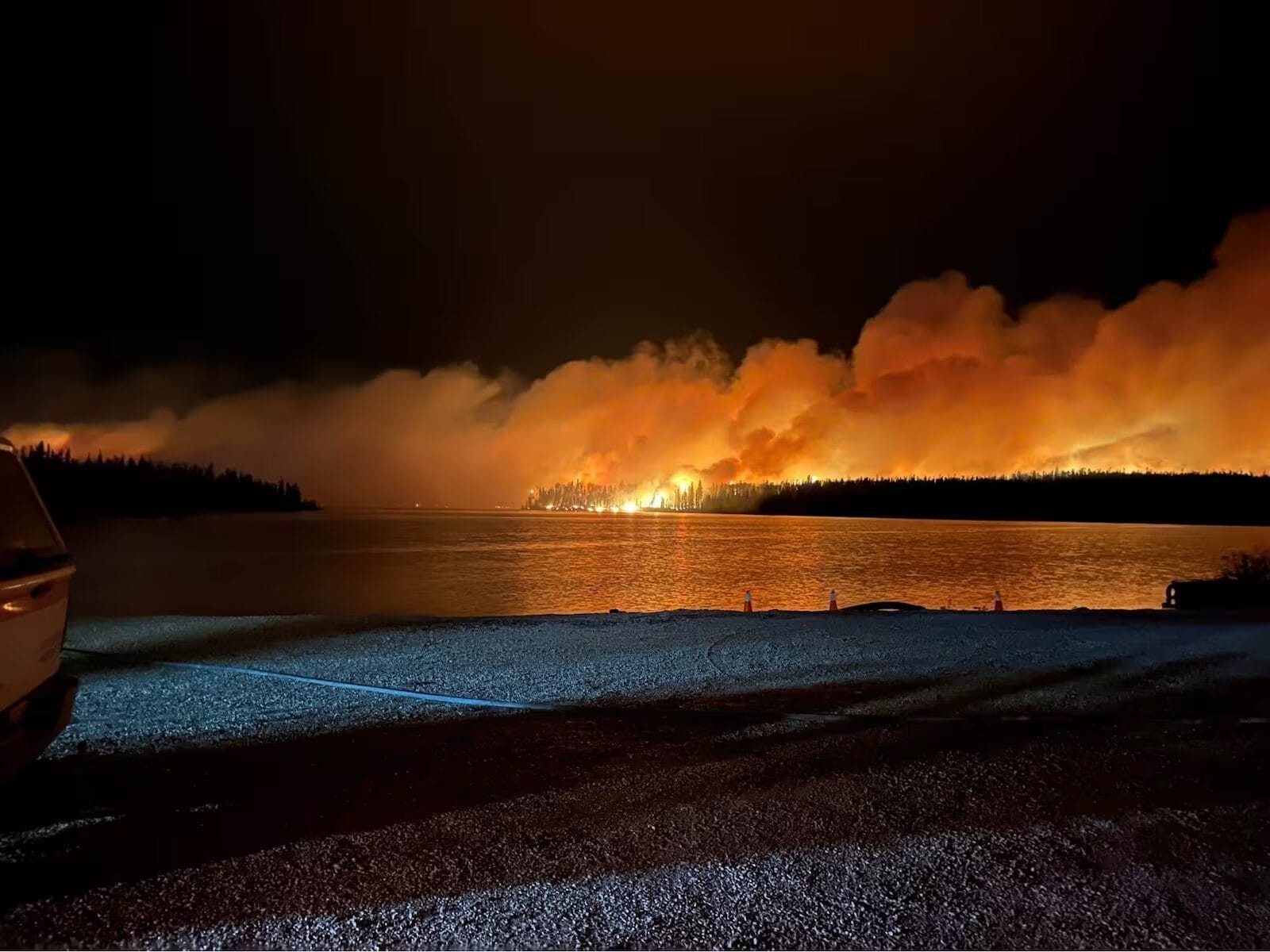
Whole Communities on the Move
Residents in Flin Flon (pop. ~5,000) were told to evacuate by midnight Wednesday. Evacuation routes were quickly designated, with Provincial Road 10 open toward The Pas. People without vehicles are being transported by the city.
Other communities issued full or partial evacuations include:
- Cross Lake
- Pimicikamak Cree Nation
- Mathias Colomb Cree Nation
- Wabowden
- Sherridon
- Lynn Lake
In Sherridon, residents fled late Tuesday after the fire’s rapid spread. Sheryl Matheson, president of the Northern Association of Community Councils, said:
“It was a panic because most people weren’t prepared… Right now, it’s all up to the wind.”
Emergency Services Stretched Thin
At least 22 wildfires are currently active in Manitoba, with over 198,000 hectares burned—nearly three times the five-year average. Several fires are burning across northern, eastern, and western regions simultaneously, putting a strain on local and provincial resources.
The situation is worsened by human activity. Officials report that all but four of the current fires are suspected or confirmed to be human-caused, and 15 people have been charged.
Premier Kinew strongly warned against reckless actions:
“Flying drones during wildfire emergencies has grounded firefighting aircraft. That puts entire communities at risk.”
National and Community Support Ramps Up
The province requested federal aid, and Prime Minister Mark Carney approved the deployment of the Canadian Armed Forces to assist with transportation and logistics. Crews from New Brunswick, P.E.I., and British Columbia are joining efforts on the ground.
Hotels across Manitoba are at full capacity, and the government is now asking residents, businesses, and communities to open their doors to evacuees. The premier urged everyone to prepare:
“Now is the time to get ready to support.”
Fires in Eastern Manitoba and Park Closures
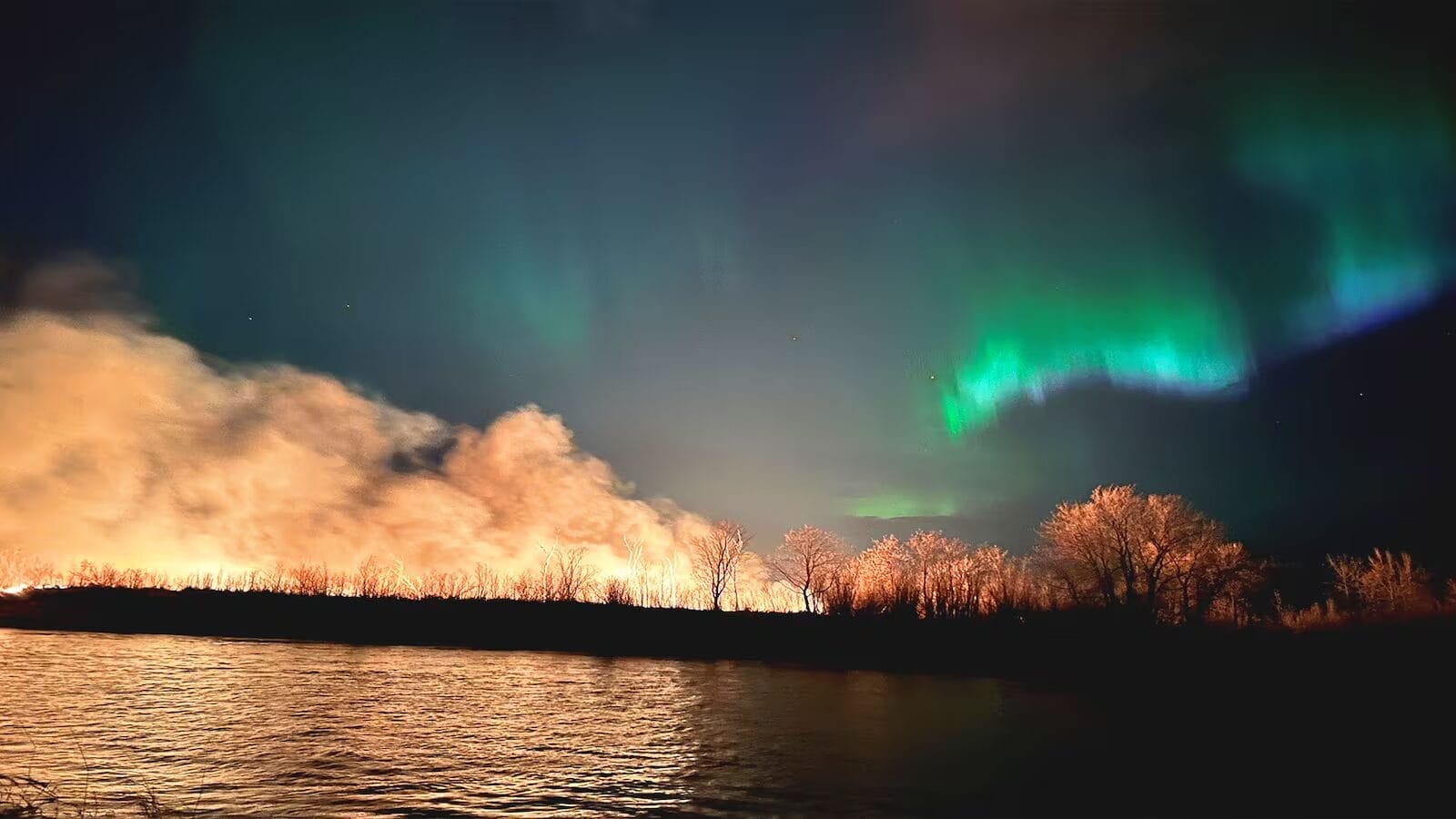
Fires continue to burn in Nopiming and Bird River, while one near the Ontario border is affecting Whiteshell Provincial Park. Some areas are reopening on May 29, but many sections remain closed due to hot spots and high winds.
Reopening areas include:
- Brereton, Red Rock, White, and Jessica Lakes
- Star and Hunt Lakes subdivisions
- Sections of West Hawk Lake and Caddy Lake
Still closed:
- McDougall’s Landing, Big Island Landing
- Florence Lake, Nora Lake, and Ophir Siding
A Community United, But Facing Uncertainty
Despite the challenges, local leaders and residents remain hopeful. MKO Grand Chief Garrison Settee praised the coordination between First Nations and the province:
“I’m confident we will be able to do this successfully… the people on the ground are amazing.”
Still, with fires moving unpredictably, smoke choking the air, and limited firefighting manpower, many evacuees may not return home for some time.
Do you think Canada should increase its investment in wildfire prevention and response as climate risks rise? Why or why not?
More…
- https://www.ctvnews.ca/winnipeg/article/manitoba-declares-state-of-emergency-as-northern-communities-evacuate-due-to-wildfire-threat
- https://www.cbc.ca/news/canada/manitoba/flin-flon-wildfire-update-officials-1.7545716
- https://www.thestar.com/news/canada/manitoba/manitoba-premier-declares-state-of-emergency-over-wildfires-says-military-aid-coming/article_2edd45d4-f763-5f00-8a0c-d4127e3756ab.html


