March 2026 Blood Moon Canada: Exact Times to Watch
Have you looked up at the night sky lately? An incredible astronomical event heads our way soon. On Tuesday, March 3, 2026, a total lunar eclipse will light up the early morning hours. Skywatchers across the country are currently gearing up to catch a glimpse of the stunning blood moon Canada residents will see. You do not need any fancy equipment to enjoy this nighttime display. Grab your coffee, step outside, and look west.
Let us dive into exactly when, where, and how you can safely observe this event.
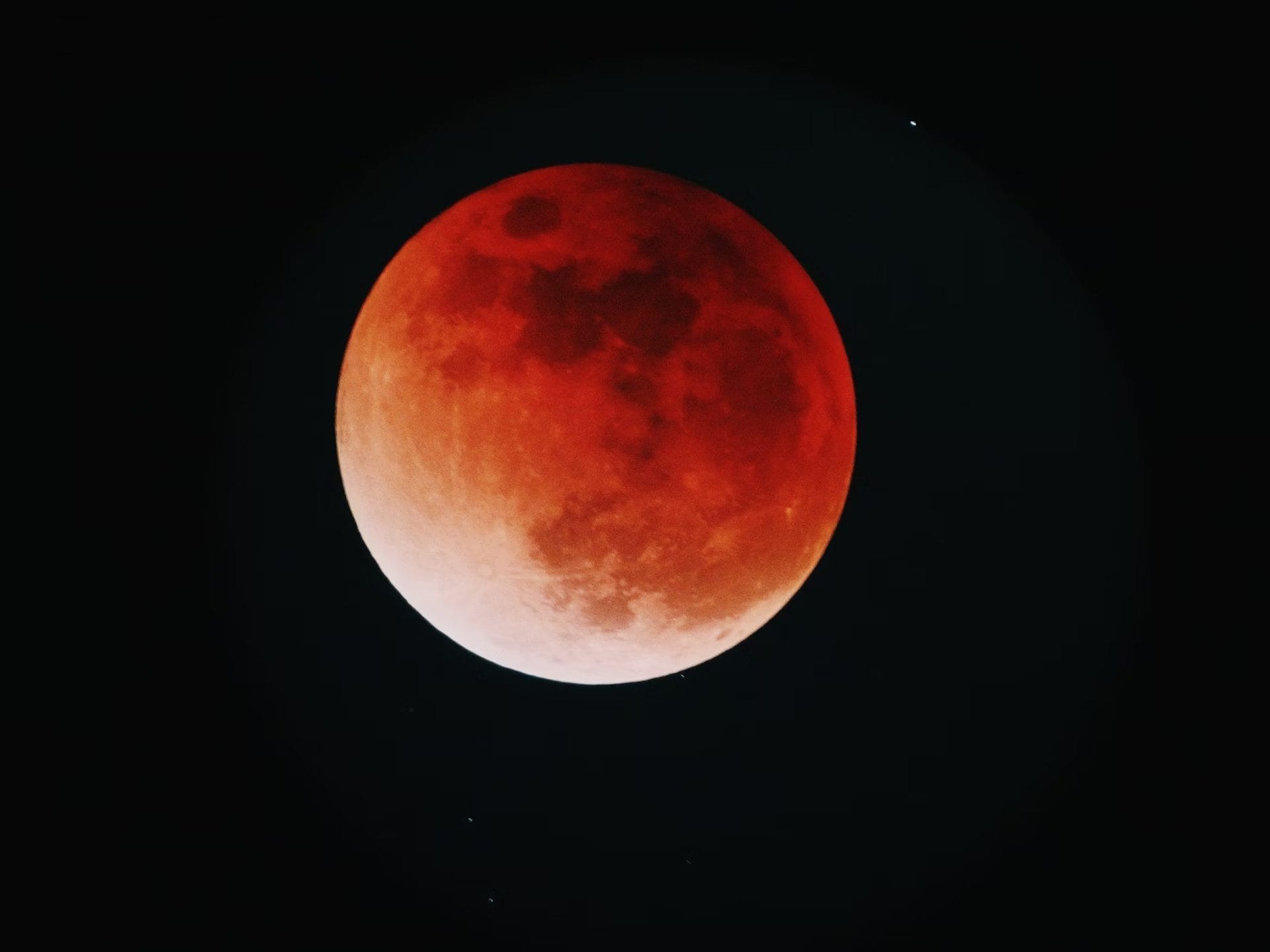
Why the Moon Turns Red Over Canada
Have you ever wondered what causes the moon to change color? A lunar eclipse occurs when Earth passes directly between the sun and the moon. Our planet casts a massive shadow across the lunar surface.
The Science Behind the Red Glow
During totality, the moon does not go completely dark. Instead, sunlight filters through Earth’s atmosphere. Our atmosphere scatters the shorter blue wavelengths of light away. The longer red and orange wavelengths bend around the Earth and hit the moon.
This fascinating process gives the lunar surface a striking reddish-orange hue. Scientists call this light-filtering process Rayleigh scattering. Ontario Science Centre researchers explain that this exact same phenomenon makes our daytime skies blue and our sunsets red. Essentially, you are seeing all the world’s sunrises and sunsets projected onto the moon at once!
When and Where to Catch the Blood Moon in Canada
Timing dictates everything if you want to catch the best view. The eclipse moves through three main phases: penumbral, partial, and full totality.
Coast-to-Coast Viewing Times
Canadians living in western provinces like British Columbia and Alberta will secure the absolute best views. You can watch the entire event unfold from start to finish. If you live in Victoria or Vancouver, the total eclipse kicks off at 3:04 a.m. PST.
Observers in Ontario and Quebec face a much tighter timeline. According to Inside Halton, the full totality phase begins at 6:04 a.m. EST for cities like Toronto and Ottawa. The moon hits its maximum eclipse at 6:33 a.m. EST. You will need to look very low on the western horizon. The moon sets shortly after totality peaks, so you only have a narrow 48-minute window to enjoy the deep red color.
Atlantic Canada residents will miss the blood moon phase entirely. The moon dips below the horizon before totality even begins in cities like Halifax and St. John’s.
The Story Behind the Worm Moon Name
Astronomers also refer to this specific full moon as the worm moon. Why do we use this strange label?
Welcoming the Spring Season
Historically, Indigenous peoples and early settlers tracked the changing seasons by naming the full moons. The March full moon signals the official arrival of spring. As temperatures rise and the winter snow melts, nature wakes up.
People originally believed the March moon earned its name because earthworms emerge from the thawing soil. Recent research reveals a slightly different origin story. The Old Farmer’s Almanac notes that the name actually connects to beetle larvae. These tiny bugs begin to wriggle out from the thawing tree bark during this precise time of year.
To Do Canada highlights that different cultures use their own unique names for this moon. The Ojibwe call it the Sugar Moon to celebrate the maple sap flow. The Cree refer to it as the Eagle Moon. All these titles perfectly capture the beautiful transition from a harsh winter to a warm spring.
Pro Tips for the Best Viewing Experience
You might think you need a high-tech telescope to see an eclipse. You actually do not need any special optical gear at all.
Simple Strategies for City Dwellers
Unlike a solar eclipse, a lunar eclipse remains completely safe to look at with your naked eye. You do not need protective glasses. Just step outside and look up!
Finding a clear spot serves as your biggest priority. If you live in a bustling urban area like Toronto or Montreal, try to locate an area with an unobstructed view of the western horizon. Tall buildings and bright city streetlights can easily block your view. Head to a local park or the top floor of a parking garage to rise above the light pollution.
I always tell fellow stargazers to scope out their viewing spot a day in advance. You want to ensure no new construction or bright signs obstruct your sightline.
Weather plays a massive role in your viewing success. Thick cloud cover can ruin your plans in an instant. I highly recommend checking your local weather updates the night before. If a light rain falls during the eclipse, keep your eyes peeled for a rare moonbow. This nighttime rainbow appears when the full moon sits very low in the sky.
If the sky looks completely overcast, you might want to find an online live stream of the eclipse instead. Also, remember to dress warmly. March mornings in Canada pack a serious chill. Layer up so you can comfortably stay outside and enjoy the show!
Related Reads: