
The ‘Gen Z Stare’ Trend: Is It Just a Blank Look or Something Deeper?
A new internet debate is putting Gen Z under the microscope—not for what they say, but for how they stare. Dubbed the “Gen Z stare,” this expressionless gaze has gone viral on TikTok, where users are debating whether it’s rude, relatable, or revealing something deeper about today’s youth.
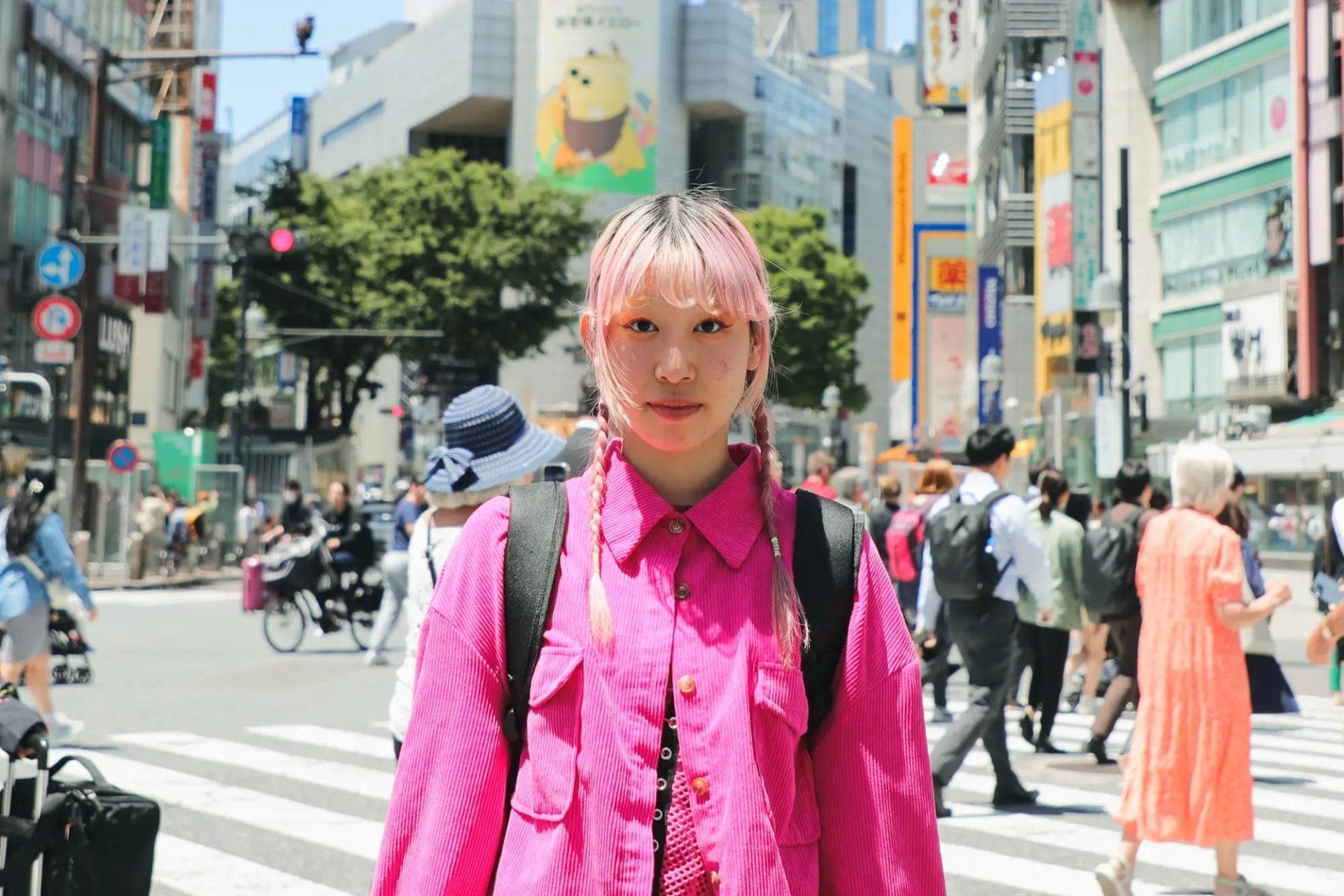
People describe the stare as blank, distant, and mildly disinterested—often seen in customer service settings. But as the trend goes viral, it also sparks bigger conversations about mental health, communication struggles, and the lingering effects of the pandemic.
From Eye Rolls to Eye Contact: What Is the Gen Z Stare?
The term “Gen Z stare” surfaced in 2024 and gained steam in July 2025, especially after it was featured on Know Your Meme. It refers to a neutral, often unreadable facial expression that younger workers give during social interactions—sometimes instead of speaking at all.
According to 23-year-old Alexis Salter of Kingston, Ontario, the reaction isn’t meant to offend. She says it’s often triggered by confusing or rude interactions. “People ask me what their PIN is, or complain their iced tea is too cold,” she told CBC. “Of course I’m going to stare for a second.”
@samishere_99 Gen z stare is permanently plastered on my face #genz #genzstare #fyp #trending #viral #fy original sound – Sumana Isa 🙂
Mockery or Misunderstanding?
Critics say Gen Z lacks basic communication skills. But many Gen Zers see it as a coping mechanism in difficult work environments. As TikTok user Efe Ahworegba put it, “Older generations talk too much, too rudely, and too proudly.”
Her video, which has over 11 million views, shows the complexity behind that pause and stare—it’s often not apathy, but mental buffering.
Meanwhile, Google searches for “Gen Z stare” have quadrupled in the past week, showing just how quickly the term is sparking conversation across generations.
The COVID Generation Faces a Steep Climb
The conversation goes far beyond blank faces. Experts suggest the trend reflects broader challenges facing Gen Z, from post-lockdown social anxiety to a crumbling job market.
“Young adults spent their teen years online, not in face-to-face settings,” says Jean Twenge, author of Generations. “That’s a crucial time for learning social interaction.”
Barry Garapedian, a workplace readiness coach, agrees. “They’re not being rude—they’re mentally rehearsing how to respond ‘perfectly.’ It’s anxiety, not apathy.”
Is Gen Z Stare a Symptom or a Signal?
Others, like 22-year-old TikToker Maya, urge compassion. “Maybe instead of mocking, we should get curious about why we are the way we are.”
To some, the stare symbolizes more than a pause. It’s a non-verbal protest against unrealistic workplace expectations and the constant demand for emotional labor—especially in underpaid jobs.
And for older Gen Z like Salter, the reaction is a generational imprint. “COVID robbed us of our people skills,” she said. “It’s a puzzled reaction, not rudeness.”
The Bottom Line
The Gen Z stare may look like disinterest, but it tells a deeper story. One of burnout, post-pandemic recovery, and shifting social norms. Whether it’s a quirk or a symptom, it’s worth asking—not just what the stare means, but what it says about the world Gen Z inherited.
Do you think the ‘Gen Z stare’ is a sign of social decline or a natural reaction to modern pressures?
More…


